


How Barcode Technology for Healthcare Transforms Patient Safety & Clinical Mobility
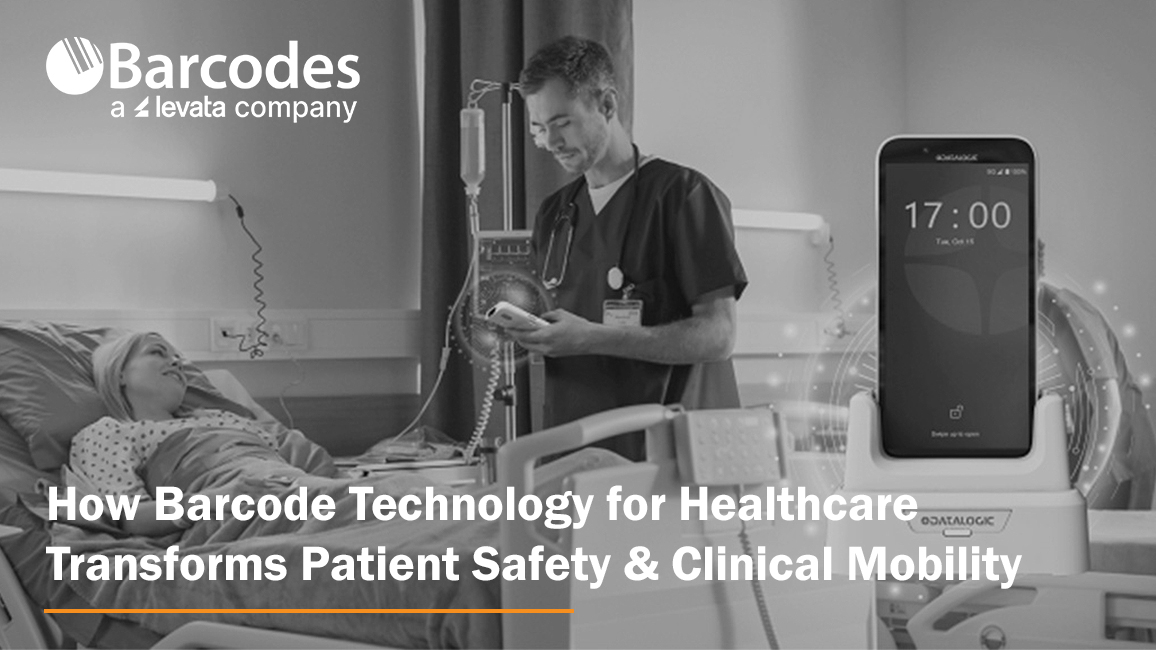
Patient safety remains one of the most critical priorities in modern healthcare. From medication administration to surgical instrument tracking, even minor errors can have serious consequences. As hospitals and care facilities continue to digitize operations, barcode technology for healthcare has emerged as a foundational tool in clinical mobility for reducing risk, improving accuracy, and streamlining workflows. Handheld mobile computing devices, like Datalogic healthcare scanners, are at the forefront of this transformation, helping healthcare providers deliver safer, more efficient patient care.
Barcoding in Healthcare: Frequently Asked Questions
What is the role of barcoding in hospital operations?
Barcode technology is used across hospitals to capture and validate data in real time, improving accuracy, efficiency, and patient safety from admission through discharge.
Common applications include:
- Patient identification and admissions
- Point-of-care workflows
- Sterile processing and surgical tracking
- Inventory management and supply chain operations
- Shipping and receiving
By replacing manual data entry, barcode systems reduce errors and allow healthcare staff to focus more on patient care.
How does barcoding improve patient identification and safety?
Barcode-enabled wristbands and medical records allow healthcare providers to instantly verify a patient’s identity before delivering care.
This helps:
- Prevent patient misidentification
- Ensure correct treatments and medications
- Specimen identification and labeling
- Access to electronic medical records (EMR/EHR)
- Reduce manual documentation errors
- Support compliance with safety protocols
In addition, barcode-enabled kiosks and check-in systems improve the patient experience by simplifying navigation and reducing wait times.
How is barcode technology used in surgery and sterile processing?
In surgical environments, barcode systems track instruments and supplies to ensure sterility, accuracy, and compliance.
Hospitals use barcode technology to monitor:
- Sterilization cycles
- Instrument usage history
- Expiration dates
- Movement from storage to operating room
When paired with disinfectant-ready scanners, these systems support strict hygiene standards without slowing workflows.
What is Barcode Medication Administration (BCMA) and why is it important in healthcare?
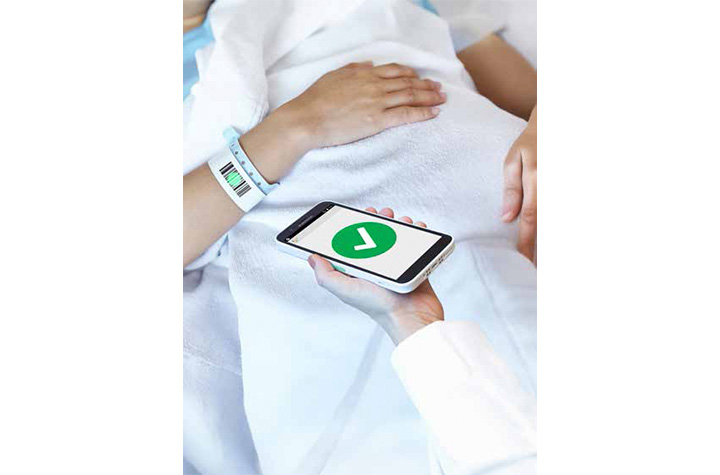
Barcode Medication Administration (BCMA) is a system that uses barcode scanning to verify medications at the bedside before they are given to a patient. BCMA enforces the “five rights” of medication safety: right patient; right drug; right dose; right route; right time.
By scanning both the patient’s wristband and the medication, clinicians improve patient safety in real-time while also supporting clinical compliance and documentation accuracy.
What are the operational benefits of barcoding in hospitals?
Hospitals that implement barcode systems effectively see improvements in both clinical outcomes and operational performance.
Key benefits include:
- Increased patient safety
- Reduced medical errors
- Improved staff productivity and faster workflows
- Real-time inventory and asset visibility
- Enhanced regulatory compliance
- Better patient experience
Empowering Frontline Staff with Mobile Technology
Modern healthcare environments demand mobility, reliability, and constant connectivity. Healthcare scanning devices like the Datalogic Memor 17 HC mobile computer are designed specifically for frontline professionals who need to stay connected both inside and outside the hospital.
With advanced connectivity options such as Wi-Fi 6E and 5G, healthcare workers can maintain uninterrupted communication whether they are moving between departments or visiting patients remotely. These devices are also built to withstand continuous disinfection, ensuring they remain safe for use in hygiene-critical environments.
Ergonomics and usability are equally important. Lightweight designs, durable displays, and customizable emergency features—such as programmable alarm buttons—help staff respond quickly in high-pressure situations. Combined with fast, accurate barcode scanning capabilities, these devices become indispensable tools in delivering high-quality care.
Reliable Scanning for Clinical Environments
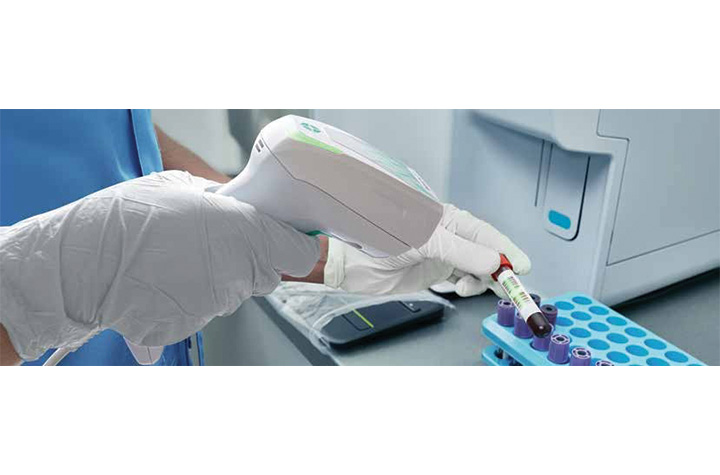
Healthcare settings require barcode scanning solutions that are not only accurate but also durable and easy to sanitize. The Datalogic Gryphon 4600 HC handheld scanner is engineered for clinical demands, offering disinfectant-ready enclosures and antimicrobial protection.
These scanners excel in reading difficult barcodes, including those that are small, curved, reflective, or poorly printed—common challenges in healthcare environments. Whether used at a nurse’s station, laboratory, or bedside, they provide consistent performance and reliability.
Corded and cordless options offer flexibility, while features like silent operation and vibration feedback make them ideal for patient-facing environments where noise must be minimized. Additionally, inductive charging eliminates the risk of corrosion, reducing maintenance needs and extending device lifespan.
Sustainability is also a growing focus. With reduced power consumption and materials that incorporate recycled content, modern scanning devices are designed to support both operational and environmental goals.
Improving Workflow Efficiency with Presentation Scanning
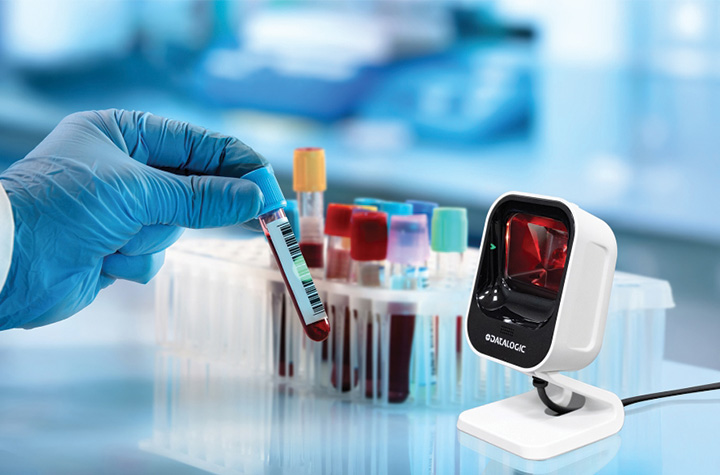
Beyond mobile and handheld devices, presentation scanners play an important role in streamlining workflows across healthcare environments. The Datalogic Magellan 900i brings powerful, omnidirectional scanning into a compact form factor that fits seamlessly into point-of-care, pharmacy, laboratory, and administrative settings.
Designed with advanced digital imaging technology, the Magellan 900i quickly and accurately reads both 1D and 2D barcodes—whether printed on labels or displayed on mobile devices. This versatility makes it ideal for scanning patient information, medication labels, lab samples, and even digital records such as mobile IDs or appointment confirmations.
Its compact, ergonomic design allows for both hands-free and handheld use, making it easy to integrate into crowded workspaces like nurse stations or lab counters. Subtle, adaptive illumination enhances user comfort, while Datalogic’s Green Spot technology provides clear visual confirmation of successful scans—especially valuable in quieter healthcare environments.
With flexible mounting options, including kiosk and OEM integration, the Magellan 900i can be embedded into self-service stations or check-in points, helping reduce bottlenecks and improve patient throughput. Combined with enterprise-ready features like remote management and broad system compatibility, it offers a scalable solution for healthcare providers looking to enhance efficiency without adding complexity.
A Smarter, Safer Future for Healthcare
As healthcare systems continue to evolve, the importance of accurate data capture and real-time information access cannot be overstated. Healthcare technology – like barcode technology, mobile computing and interactive platforms by Datalogic, is enabling a new standard of care—one that prioritizes patient safety, quality of care, and clinical mobility.
By reducing errors, streamlining operations, and empowering healthcare professionals with the tools they need, these solutions are not just improving workflows—they are helping save lives.
To learn more about our Healthcare technology solutions, contact Barcodes, Inc.