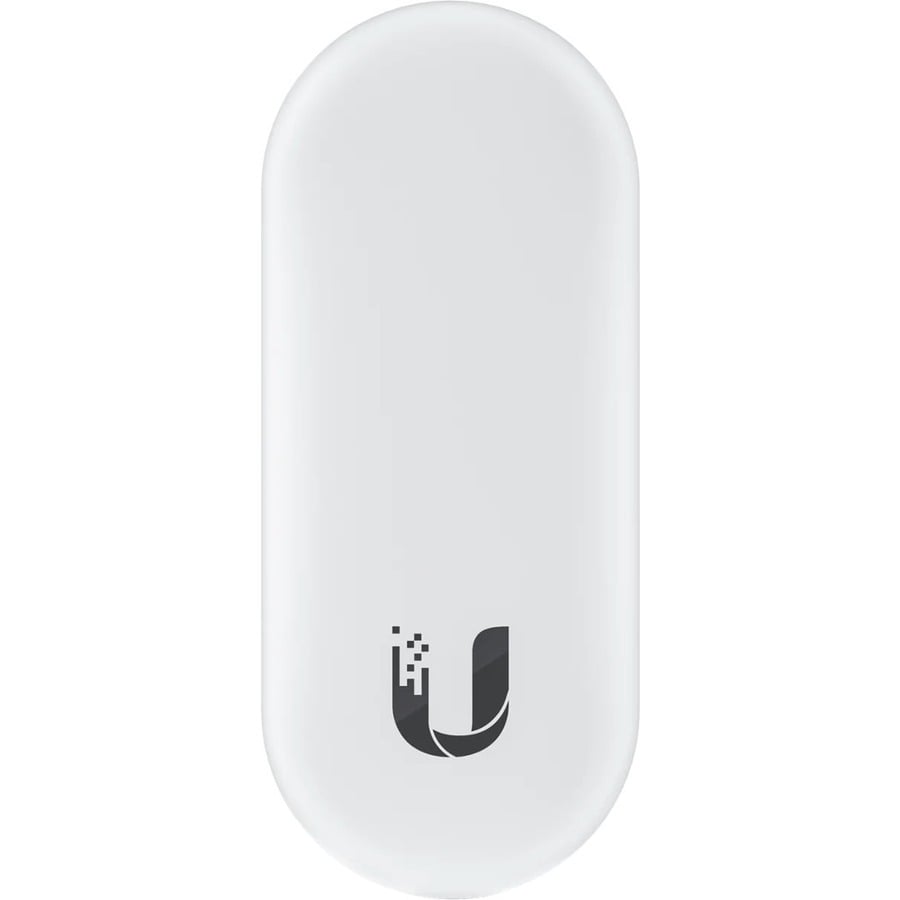
What are the networking specifications for the Ubiquiti Networks UA-READERLITE?
The UA-READERLITE features a Fast Ethernet connection via RJ-45 network interface and supports Bluetooth connectivity for proximity-based access control. It connects to your network infrastructure through standard Cat. 5 cabling, making it compatible with existing Ethernet deployments in warehouses and logistics facilities.
Is the Ubiquiti Networks UA-READERLITE suitable for door access control applications?
Yes, the UA-READERLITE is specifically designed as a door access reader with proximity card and Bluetooth capabilities for secure entry point management. It's ideal for controlling access to restricted areas in warehouses, distribution centers, and logistics operations where credential-based entry is required.
Can the UA-READERLITE be wall-mounted?
Yes, the UA-READERLITE is wall-mountable, allowing flexible installation at entry points throughout your facility. This design makes it easy to integrate into existing door frames and access control infrastructure without requiring extensive modifications.
What power method does the UA-READERLITE use?
The UA-READERLITE supports Power over Ethernet (PoE), allowing it to receive both power and network connectivity through a single Ethernet cable. This simplifies installation and reduces the need for separate power infrastructure at each access point.
What wireless standards does the UA-READERLITE support?
The UA-READERLITE supports Bluetooth connectivity for wireless proximity-based access control, complementing its wired Fast Ethernet connection. This dual connectivity approach provides flexibility for both permanent network integration and wireless credential reading.
Where can I purchase the Ubiquiti Networks UA-READERLITE?
We offer the Ubiquiti Networks UA-READERLITE as part of our comprehensive AIDC and data networking solutions. Visit barcodesinc.com or contact us today to check availability, pricing, and to discuss integration with your existing access control infrastructure.