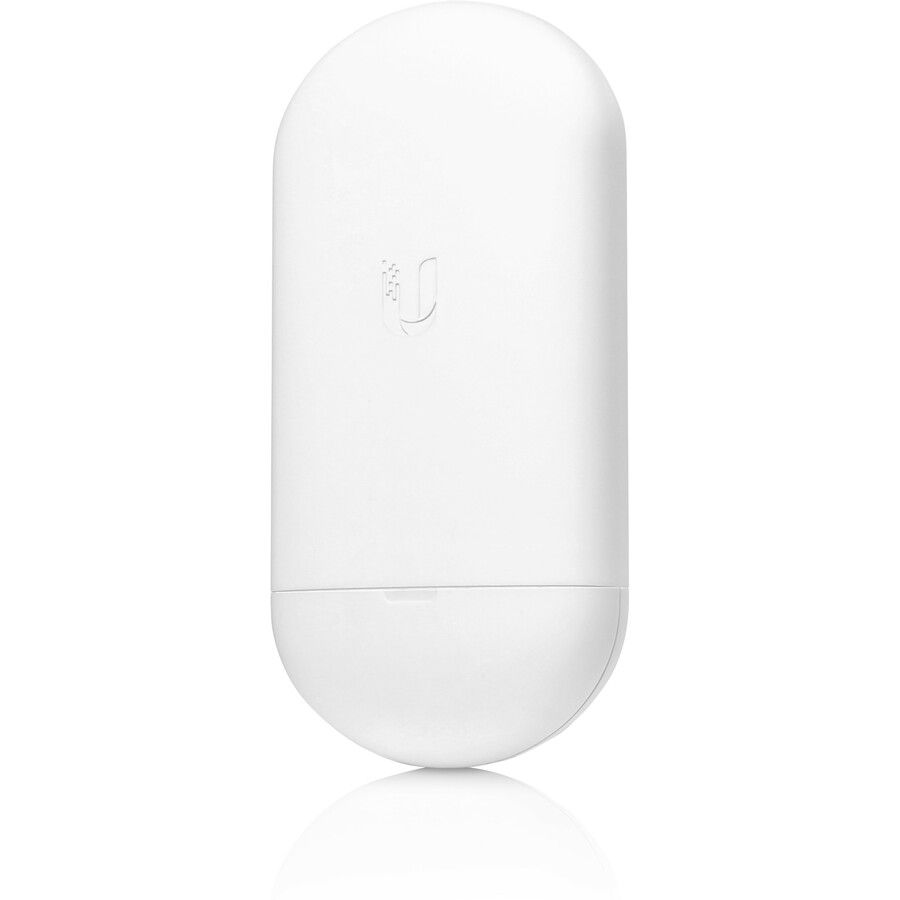
What is the maximum data throughput of the Ubiquiti NS-5AC-US?
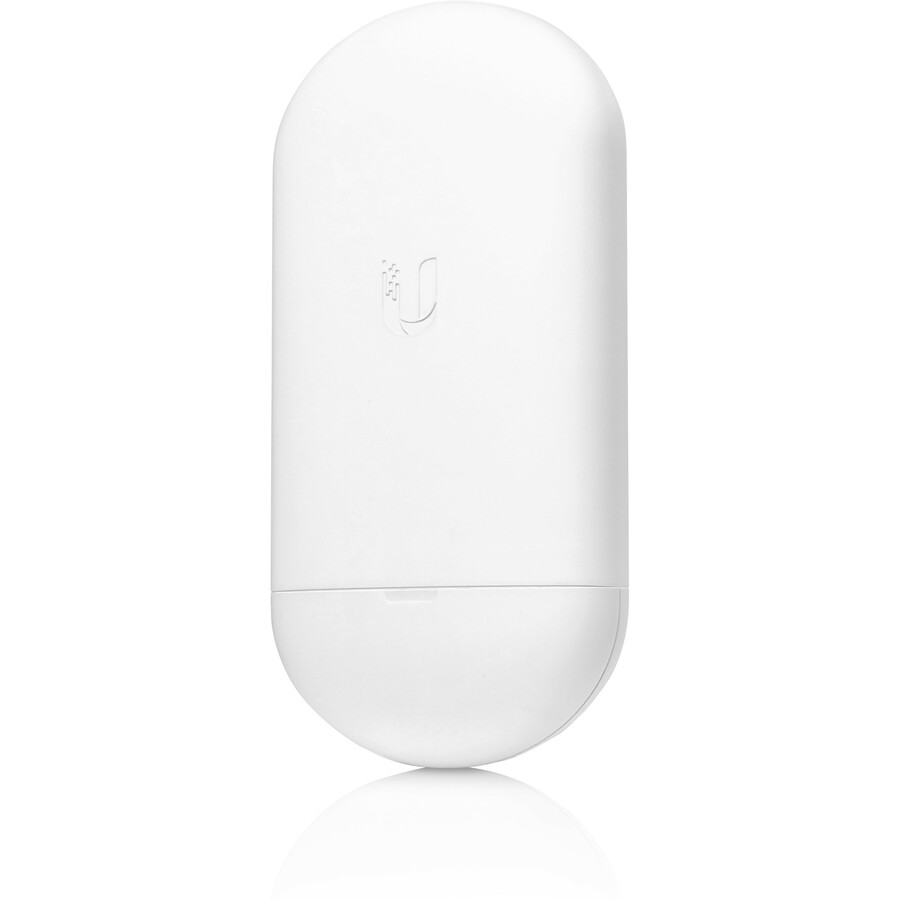
The Ubiquiti NS-5AC-US delivers up to 450 Mbit/s throughput using IEEE 802.11ac wireless technology with MIMO support. This makes it suitable for high-bandwidth applications in warehouse and logistics environments where reliable data transfer is critical.
Can the NS-5AC-US be mounted outdoors, and what environmental conditions can it withstand?
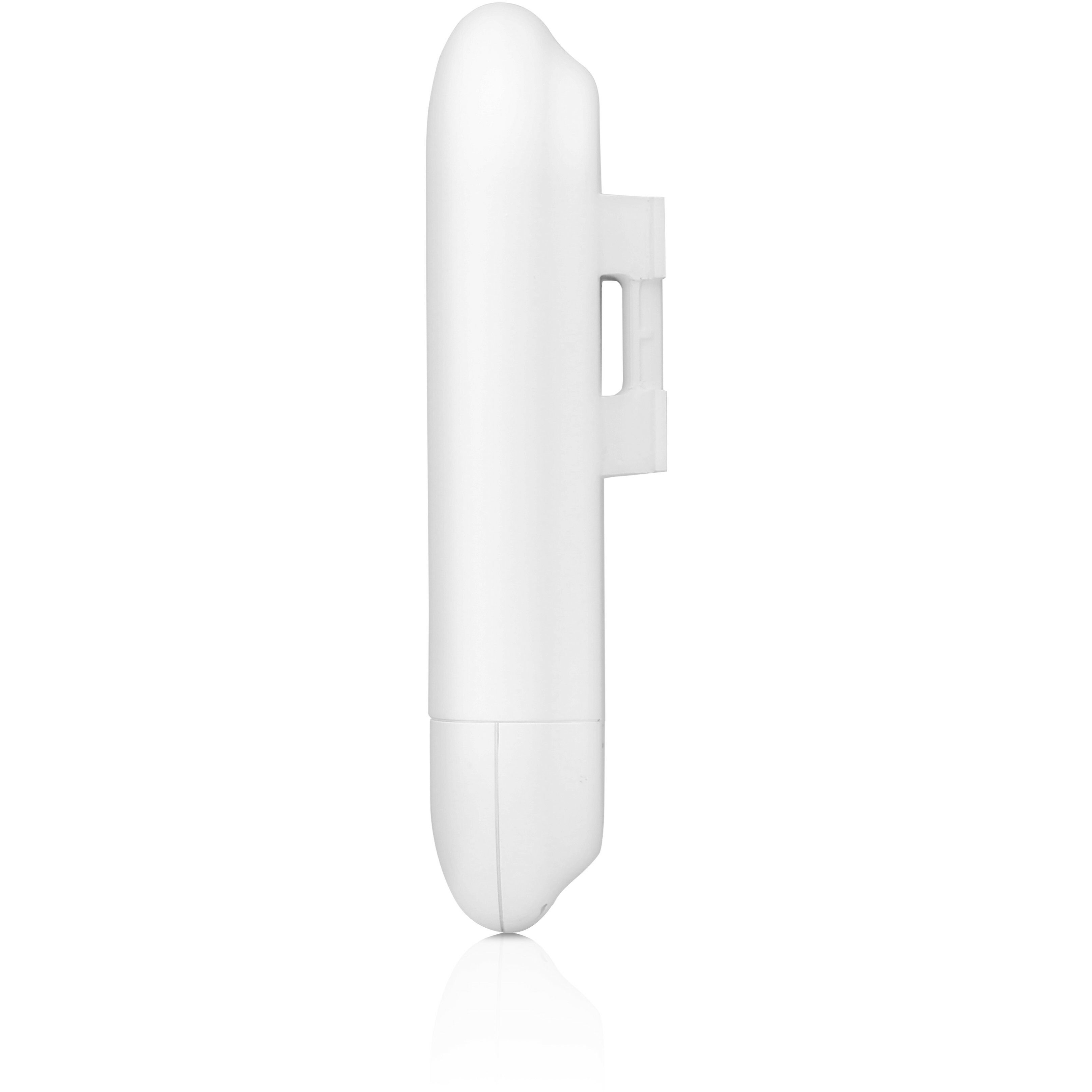
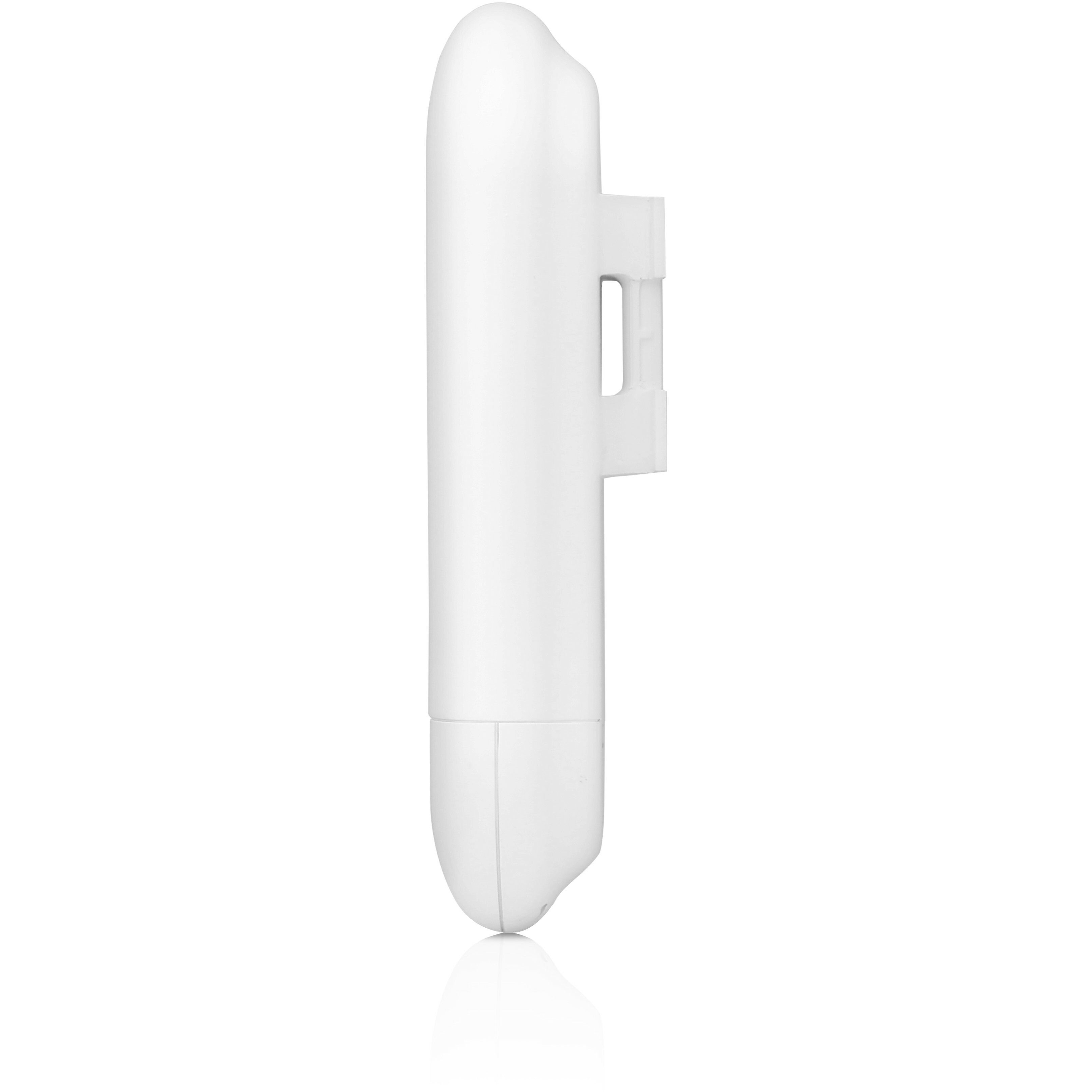
Yes, the NS-5AC-US is pole-mountable and wall-mountable for flexible outdoor deployment. It operates reliably in temperatures from -40 to 80°C (-40 to 176°F) and humidity levels of 5 to 95% noncondensing, making it suitable for harsh warehouse and outdoor logistics environments.
What type of power supply does the NS-5AC-US require?
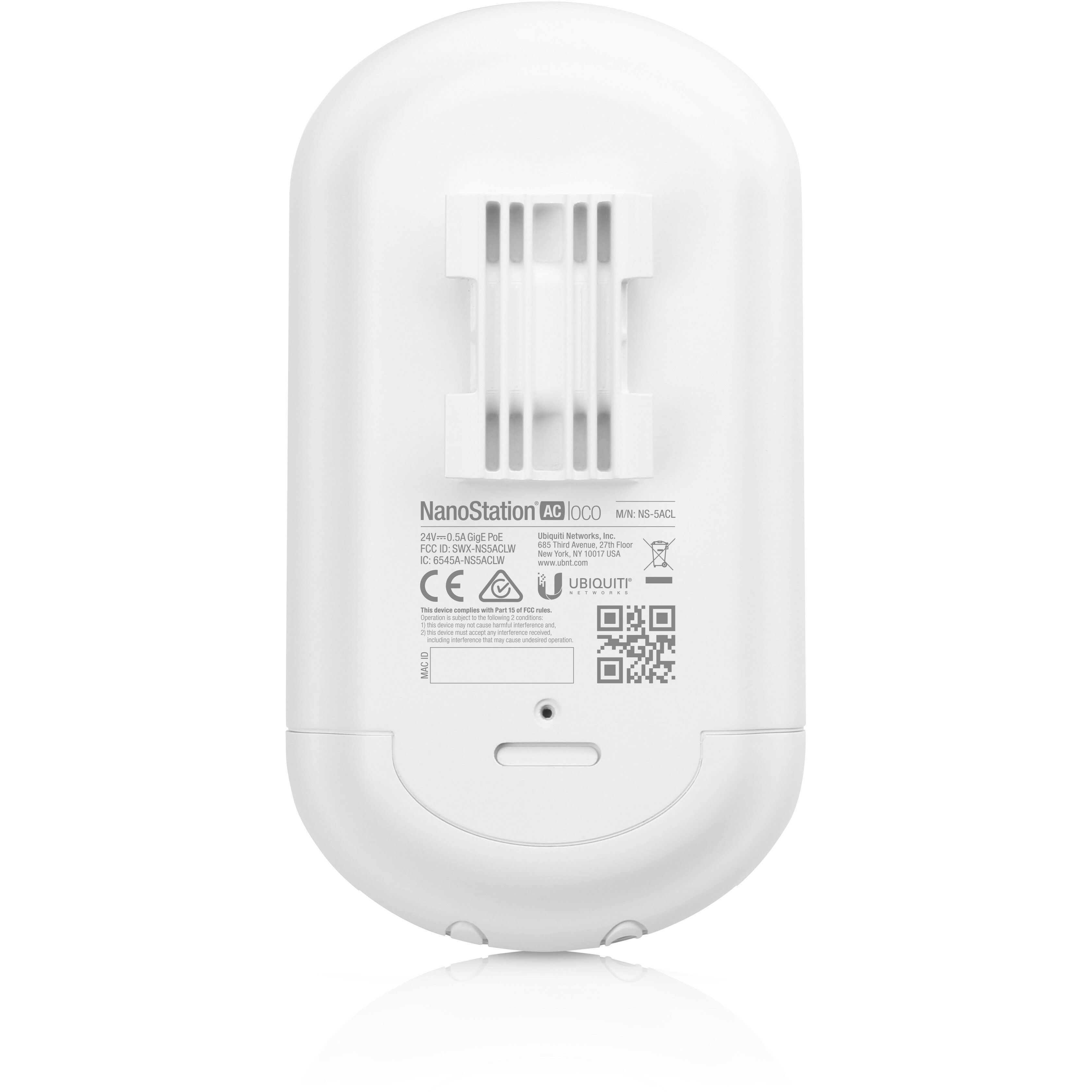
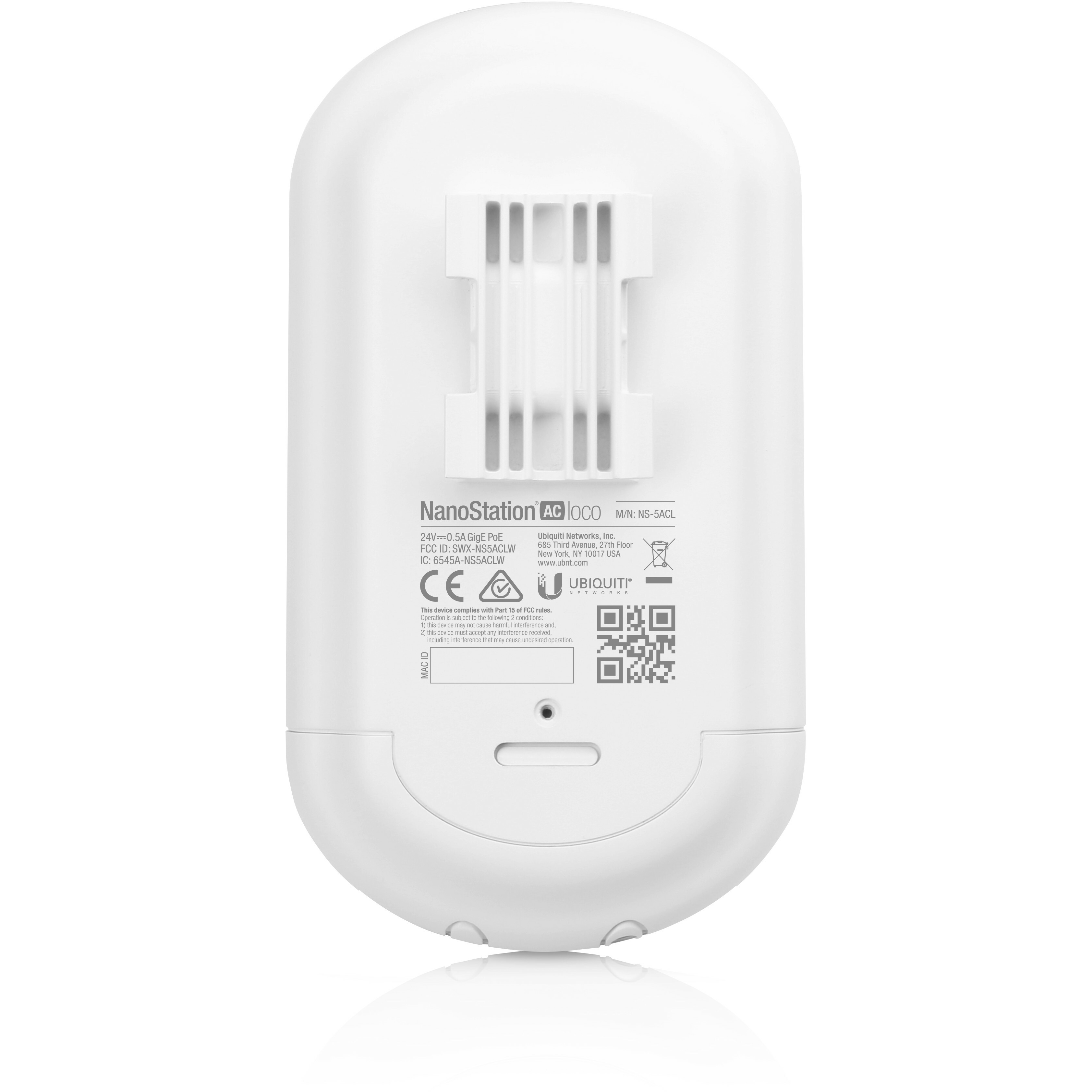
The NS-5AC-US uses a 24V, 1A Gigabit PoE (Power over Ethernet) adapter that is included with the unit. It supports a voltage range of 18-26VDC and consumes a maximum of 9.5W, allowing for simplified installation with single-cable deployment.
What security features does the NS-5AC-US offer?
The NS-5AC-US provides WPA2 AES encryption as its primary security feature, protecting your wireless network from unauthorized access. It also supports VLAN functionality and includes remote reset capabilities for secure network management.
What networking interfaces and connectivity options are available on the NS-5AC-US?
The NS-5AC-US includes two 10/100/1000 Gigabit Ethernet ports (RJ-45) for wired connectivity and operates on the 5 GHz frequency band. It supports both Access Point and Station modes, making it versatile for point-to-point and point-to-multipoint network configurations.
Does the NS-5AC-US include quality-of-service (QoS) capabilities?
Yes, the NS-5AC-US supports Quality of Service with packet-level classification using WMM (Wi-Fi Multimedia) and user-defined priority levels (High/Medium/Low). This allows you to prioritize critical warehouse and logistics traffic to ensure optimal network performance.
The Ubiquiti Networks NS-5AC-US Wireless Access Points is also known as
UBI-NS5ACUS