What frequency bands does the Ubiquiti LAP-GPS-US support?
The Ubiquiti LAP-GPS-US operates on 2.4 GHz and 5 GHz frequency bands, complying with IEEE 802.11ac standards. It supports multiple U-NII channels in the 5 GHz range (5150–5875 MHz) depending on your regional regulations, making it suitable for worldwide deployment.
Is the Ubiquiti LAP-GPS-US suitable for outdoor pole mounting?
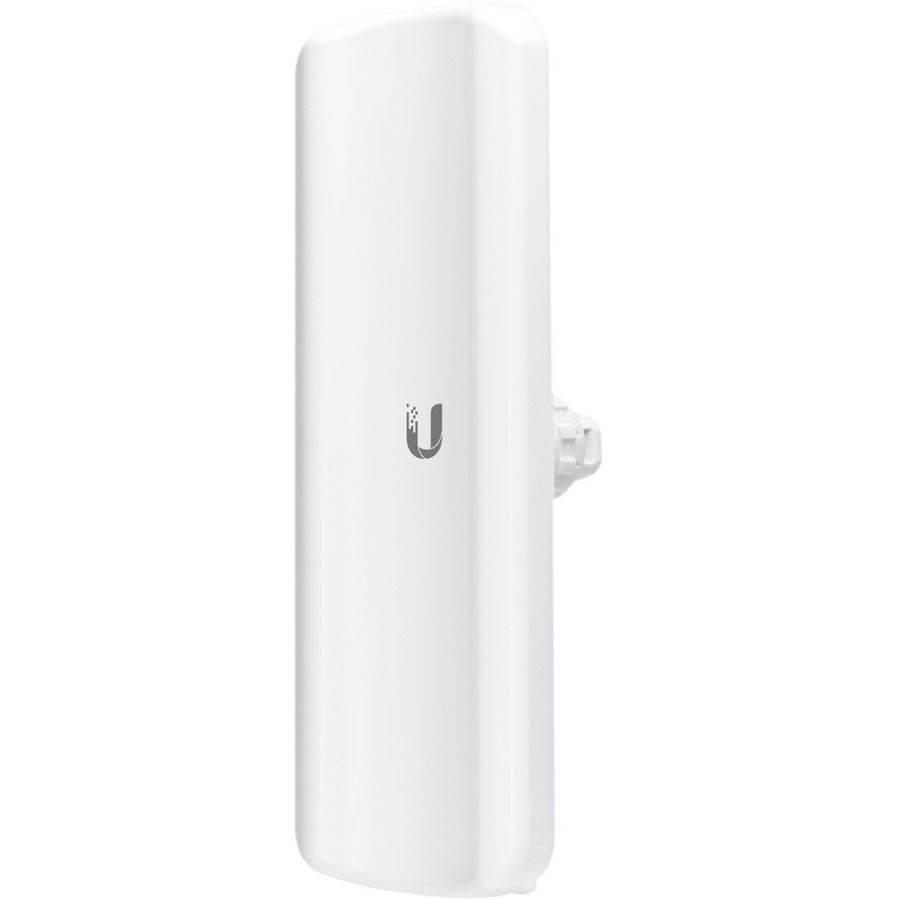
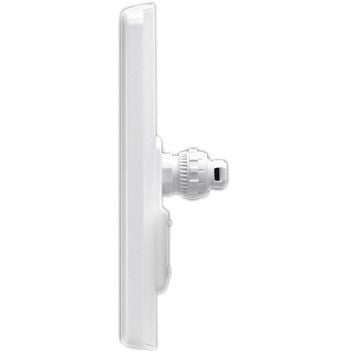
Yes, the LAP-GPS-US is specifically designed for pole-mountable outdoor installation. It features an outdoor UV-stabilized plastic enclosure and secure pole-mounting hardware that maintains position during harsh weather conditions, making it ideal for warehouse and logistics environments.
What is the maximum data throughput of the Ubiquiti LAP-GPS-US?
The Ubiquiti LAP-GPS-US delivers 450 Mbit/s wireless throughput via its IEEE 802.11ac connection. It includes a Gigabit Ethernet (10/100/1000 Mbps) RJ-45 port for wired network integration, ensuring high-speed data transfer for your facility.
What power supply and consumption specifications does this access point require?
The LAP-GPS-US operates on 24V passive PoE (Power over Ethernet) using a Gigabit PoE adapter, with a supported voltage range of 20–26VDC. Maximum power consumption is 8.5W, making it energy-efficient for continuous outdoor deployment.
What antenna options are compatible with the Ubiquiti LAP-GPS-US?
The LAP-GPS-US features two waterproof RP-SMA RF connections that support Ubiquiti's airMAX antenna lineup, including sector antennas and omni antennas designed for 5 GHz operation. Every airMAX antenna includes a built-in Rocket mount for tool-less, plug-and-play installation.
Can I use the Ubiquiti LAP-GPS-US for point-to-point or point-to-multipoint applications?
Yes, the LAP-GPS-US supports flexible channel configurations—10, 20, 30, 40, 50, 60, and 80 MHz in Point-to-Point (PtP) mode, and 10, 20, 30, 40 MHz in Point-to-MultiPoint (PtMP) mode. This flexibility allows deployment in backhaul links, bridging, and multi-point network scenarios common in warehouse and logistics operations.
The Ubiquiti Networks LAP-GPS-US Network Antennas is also known as
UBI-LAPGPSUS