What is the Impinj R700 RAIN RFID Reader?
The Impinj R700 is a four-port fixed RAIN RFID reader built for enterprise-grade deployments. It complies with the GS1 UHF Gen2v2 air interface standard, standardized by ISO/IEC as 18000-63, and reads up to 1,100 tags per second with a maximum receive sensitivity of -92 dBm at a 10⁻³ bit error rate.
Unlike a handheld reader, the R700 is mounted in a fixed position and connected to external antennas — four monostatic RP-TNC ports supporting up to 32 read zones. It ships in two regional variants: IPJ-R700-141 for FCC markets and IPJ-R700-241 for ETSI markets. Typical applications include loss prevention, pallet tracking, real-time inventory management, asset management, conveyor systems and supply chain visibility.
How does the Impinj R700 compare to the Speedway R420?
The R700 is a substantial hardware generation ahead. Its receive sensitivity is -92 dBm versus -84 dBm on the Speedway R420 — an 8 dB improvement that lets it read smaller tags and reach further. Processing moves from a 400 MHz single-core to a 1 GHz dual-core processor, RAM from 256 MB to 1,024 MB, and the custom application partition from 32 MB to 128 MB.
Connectivity improves as well: Gigabit Ethernet replaces 10/100, USB peripheral slots go from one to three, and the GPIO block is integrated rather than sold as an accessory. Both readers have four antenna ports, 32 maximum read zones and an 1,100 reads-per-second rate, and both support PoE and PoE+. Maximum transmit power rises slightly, from 32.5 dBm to 33.0 dBm.
How is the Impinj R700 powered, and does the power source affect performance?
The Impinj R700 is powered exclusively over Ethernet — either PoE (802.3af) or PoE+ (802.3at) — with no separate DC input. Where the reader is not connected to a PoE-capable switch, an Impinj midspan power injector (part IPJ-A2010) adds inline power to the network connection.
The power source does affect RF performance. On PoE, maximum transmit power is 30 dBm; on PoE+, it rises to 33 dBm. When connected to a device supporting Link Layer Discovery Protocol (LLDP), the R700 checks whether PoE+ is available and configures itself to use it automatically. If maximum read range matters, verify the switch or injector delivers PoE+.
How do we develop applications for and integrate with the Impinj R700?
The Impinj R700 supports four development paths. A RESTful interface allows host-based applications in over 80 languages, connecting the reader to IoT applications the same way as other IoT devices. The Octane SDK covers host-based .NET and Java development, and the LLRP Toolkit covers .NET, Java, C and C++.
For on-reader applications, the Embedded Toolkit supports C and C++ running in a 128 MB custom application partition, so tag-processing algorithms can execute at the edge rather than sending raw reads upstream. Gigabit Ethernet keeps latency low and prevents data bottlenecks. Firmware is Impinj R700 LLRP with Impinj extensions, and the network stack supports IPv4 and IPv6 with SSH, HTTP, HTTPS, NTP, DHCP, SFTP and mDNS services.
What security features does the Impinj R700 provide?
The Impinj R700 runs a secure, field-upgradable Linux operating system on a 5.1 kernel. It uses an encrypted software image and a secure software boot with chain-of-trust, which prevents unauthorized software from executing on the reader — a common requirement in enterprise and retail deployments where readers sit on the corporate network.
It supports 802.1x port security for network access control, HTTPS and SSH for encrypted management, and event logs with syslog forwarding for centralized monitoring. Firmware upgrades are web-based and can be performed remotely, so a distributed fleet can be patched without site visits.
Where can the Impinj R700 be installed, and what are its environmental limits?
The Impinj R700 has a ruggedized, shock-resistant die-cast aluminum enclosure weighing 2.12 lb. (0.96 kg), rated to United States Military Standard MIL-STD-810G for shock and vibration. Its operating temperature range is -4° F to 122° F (-20° C to 50° C) at 5–95% non-condensing humidity.
Note the sealing rating is IP50 — protected against dust, but with no rating for water ingress. The reader itself should be installed indoors or in a protected enclosure, even though Impinj offers outdoor-rated antennas such as the Times-7 Slim Outdoor and Compact Outdoor models for the read zone itself. Mounting is via VESA 100 x 100 on the enclosure bottom or two removable brackets compatible with the Impinj Speedway mounting system. Under FCC rules, professional installation is required.
What devices are compatible with the Zebra CS-CAB-5XL-FLTPK-B-N Intelligent Cabinet?
The Zebra Intelligent Cabinet is compatible with a wide range of Zebra mobile devices, including EC30, TC2X, TC5X, TC7X, and TC8X mobile computers, Zebra tablets, and select ZQ and QLn mobile printers. For a complete compatibility list specific to your device models, contact us today and our team can provide detailed specifications for your warehouse environment.
What devices are compatible with the Zebra CS-CAB-4-ASM-B-N Intelligent Cabinet?
The Zebra CS-CAB-4-ASM-B-N is compatible with a wide range of Zebra mobile devices, including EC30, TC2X, TC5X, TC7X, and TC8X mobile computers, as well as mobile printers, tablets, and scanners. This broad compatibility makes it an ideal storage solution for mixed-device enterprise environments. Contact us today to verify compatibility with your specific device models.
What devices are compatible with the Zebra CS-CAB-4-FP-B-C6-N Intelligent Cabinet?
The Zebra Intelligent Cabinet is compatible with a wide range of Zebra mobile devices, including EC30, TC2X, TC5X, TC7X, and TC8X mobile computers, as well as mobile printers, tablets, and scanners. This broad compatibility makes it an ideal storage solution for mixed-device enterprise environments. We offer this cabinet to support your complete mobile device ecosystem.
What mobile devices are compatible with the Zebra CS-CAB-5XL-FP-B-C6-N cabinet?
The Zebra Intelligent Cabinet is compatible with a wide range of Zebra devices, including EC30, TC2X, TC5X, TC7X, and TC8X mobile computers, Zebra tablets, and some ZQ and QLn mobile printers. For a complete compatibility list specific to your device models, contact us today and our team can provide detailed specifications for your warehouse environment.
What mobile devices are compatible with the Zebra CS-CAB-2-ASM-B-N Intelligent Cabinet?
The Zebra CS-CAB-2-ASM-B-N is compatible with a wide range of Zebra devices, including EC30, TC2X, TC5X, TC7X, and TC8X mobile computers, Zebra tablets, and select ZQ and QLn mobile printers. For a complete list of device compatibility with your specific equipment, contact us today and our team can provide detailed compatibility information for your warehouse operations.
What devices are compatible with the Zebra CS-CAB-2-FLTPK-B-N Intelligent Cabinet?
The Zebra Intelligent Cabinet is compatible with a wide range of Zebra devices, including EC30, TC2X, TC5X, TC7X, and TC8X mobile computers, Zebra tablets, and select ZQ and QLn mobile printers. For a complete compatibility list specific to your device models, contact us today and our team can provide detailed specifications for your warehouse or logistics operation.
What mobile devices are compatible with the Zebra CS-CAB-2-AS-B-C6-N cabinet?
The Zebra CS-CAB-2-AS-B-C6-N is compatible with a wide range of Zebra devices, including EC30, TC2X, TC5X, TC7X, and TC8X mobile computers, Zebra tablets, and some ZQ and QLn mobile printers. For a complete compatibility list specific to your device models, contact us today and our team can provide detailed specifications for your warehouse environment.
What devices are compatible with the Zebra CS-CAB-3-AS-B-C6-N Intelligent Cabinet?
The Zebra CS-CAB-3-AS-B-C6-N is compatible with a wide range of Zebra mobile devices, including EC30, TC2X, TC5X, TC7X, and TC8X mobile computers, Zebra tablets, and some ZQ and QLn mobile printers. For a complete compatibility list specific to your device models, contact us today and our team can provide detailed specifications.
What devices are compatible with the Zebra CS-CAB-3-ASM-B-N Intelligent Cabinet?
The Zebra CS-CAB-3-ASM-B-N is compatible with a wide range of Zebra mobile devices, including EC30, TC2X, TC5X, TC7X, and TC8X mobile computers, Zebra tablets, and select ZQ and QLn mobile printers. For a complete compatibility list specific to your device models, contact us today and our team can provide detailed specifications for your warehouse or logistics operation.
What devices are compatible with the Zebra CS-CAB-2-FP-B-C6-N Intelligent Cabinet?
The Zebra Intelligent Cabinet is compatible with a wide range of Zebra mobile devices, including EC30, TC2X, TC5X, TC7X, and TC8X mobile computers, as well as mobile printers, tablets, and scanners. The small 2-shelf configuration can accommodate up to 30 devices with its single-sided design. Contact us today to verify compatibility with your specific device models.
What devices are compatible with the Zebra CS-CAB-3-FP-B-C6-N Intelligent Cabinet?
The Zebra CS-CAB-3-FP-B-C6-N is compatible with a wide range of Zebra mobile devices, including EC30, TC2X, TC5X, TC7X, and TC8X mobile computers, Zebra tablets, and select ZQ and QLn mobile printers. For a complete compatibility list specific to your device models, contact us today and our team can provide detailed specifications for your warehouse environment.
What devices are compatible with the Zebra CS-CAB-4-AS-B-C6-N Intelligent Cabinet?
The Zebra Intelligent Cabinet is compatible with a wide range of Zebra mobile devices, including EC30, TC2X, TC5X, TC7X, and TC8X mobile computers, as well as mobile printers, tablets, and scanners. The large 4-shelf configuration provides flexible storage for enterprise device fleets. Contact us today to confirm compatibility with your specific device models.
What devices are compatible with the Zebra CS-CAB-5EXT-AS-B-C6N Intelligent Cabinet?
The Zebra Intelligent Cabinet is compatible with a wide range of Zebra mobile devices, including EC30, TC2X, TC5X, TC7X, and TC8X mobile computers, Zebra tablets, and select ZQ and QLn mobile printers. For a complete compatibility list specific to your device models, contact our team today and we can provide detailed specifications for your deployment.
What devices are compatible with the Zebra CS-CAB-5-EXT-FLTPK-B-N cabinet?
The Zebra CS-CAB-5-EXT-FLTPK-B-N is compatible with a wide range of Zebra devices, including EC30, TC2X, TC5X, TC7X, and TC8X mobile computers, Zebra tablets, and some ZQ and QLn mobile printers. For a complete list of device compatibility specific to your deployment, contact us today and our team can provide detailed compatibility information for your exact device models.
What devices are compatible with the Zebra CS-CAB-5EXT-FP-B-C6N Intelligent Cabinet?
The Zebra Intelligent Cabinet is compatible with a wide range of Zebra mobile devices, including EC30, TC2X, TC5X, TC7X, and TC8X mobile computers, Zebra tablets, and select ZQ and QLn mobile printers. For a complete compatibility list specific to your device models, contact our team today—we can help you verify your exact requirements and ensure optimal storage configuration.
What devices are compatible with the Zebra CS-CAB-5-EXT-ASM-B-N Intelligent Cabinet?
The Zebra CS-CAB-5-EXT-ASM-B-N is compatible with a wide range of Zebra devices, including EC30, TC2X, TC5X, TC7X, and TC8X mobile computers, Zebra tablets, and select ZQ and QLn mobile printers. For a complete compatibility list specific to your device models, contact our team today at barcodesinc.com or reach out to your Zebra Account Manager.
What devices are compatible with the Zebra CS-CAB-5XL-ASM-B-N Intelligent Cabinet?
The Zebra CS-CAB-5XL-ASM-B-N is compatible with a wide range of Zebra mobile devices, including EC30, TC2X, TC5X, TC7X, and TC8X mobile computers, Zebra tablets, and select ZQ and QLn mobile printers. For a complete compatibility list tailored to your specific devices, contact us today and our team can provide detailed guidance.
What devices are compatible with the Zebra CS-CAB-5XL-AS-B-C6-N Intelligent Cabinet?
The Zebra CS-CAB-5XL-AS-B-C6-N is compatible with a wide range of Zebra devices, including EC30, TC2X, TC5X, TC7X, and TC8X mobile computers, Zebra tablets, and some ZQ and QLn mobile printers. For a complete compatibility list specific to your device models, contact us today and our team can provide detailed specifications for your warehouse environment.
What mobile devices are compatible with the Zebra CS-CAB-3-FLTPK-B-N Intelligent Cabinet?
The Zebra CS-CAB-3-FLTPK-B-N is compatible with a wide range of Zebra mobile devices, including EC30, TC2X, TC5X, TC7X, and TC8X mobile computers, Zebra tablets, and select ZQ and QLn mobile printers. For a complete compatibility list specific to your device models, contact our team today—we can help ensure this cabinet meets your exact requirements.
What is the Zebra CS-CAB-4-FLTPK-B-N cabinet designed to store?
The Zebra CS-CAB-4-FLTPK-B-N is an Intelligent Cabinet designed to securely store and manage multiple enterprise mobile devices including mobile computers, mobile printers, tablets, and barcode scanners. This large 4-shelf cabinet optimizes device storage, access, tracking, and management to maximize worker productivity and asset utilization in warehouse, transportation, logistics, and retail operations.
What are the key durability features of the Zebra EC55 mobile computer?
The Zebra EC55 is built to withstand demanding warehouse and field environments with an IP67 rating for dust and water resistance, drop-proof construction, and Corning Gorilla Glass protection on its 5-inch display. These rugged features ensure all-day reliability whether your workers are inside your facility or operating in the field. We offer the EC55 as a dependable solution for logistics and transportation operations that require industrial-grade durability.
What makes the Zebra Z-Band Splash wristbands suitable for water parks and resorts?
The Zebra Z-Band Splash wristbands feature a water-resistant adhesive closure specifically designed for excessive water exposure, making them ideal for water parks, resorts, and cruise lines. The direct thermal polypropylene construction ensures durability and readability even in wet environments, allowing guests to enjoy water activities without compromising barcode functionality.
What are the dimensions and label specifications for the Zebra HC10000684?
The Zebra HC10000684 features Zebra Z-Select 4000D labels measuring 3.5x1 inches (88.9x25.4mm) with a 3-inch (76.2mm) core. Each roll contains 5,760 labels, and boxes come with 6 rolls. The labels have square edges with notches on the left side for easy feeding and handling in direct thermal printers.
What is the Zebra LENS-M0800-0100 Vision Lens used for?
The Zebra LENS-M0800-0100 is an 8mm focal length C-Mount vision lens designed for machine vision and barcode inspection applications in Zebra vision systems. This lens is ideal for warehouse automation, quality control, and logistics environments where precise image capture is critical for barcode reading and product identification. We offer this lens as part of our comprehensive Zebra vision accessory lineup to support your AIDC infrastructure.
What are the specifications of the Zebra 104523-117 plastic ID cards?
The Zebra 104523-117 cards are white PVC cards with a 15 mil thickness, supplied in a pack of 500 cards. These cards feature a writeable back surface, making them ideal for manual annotations or secondary printing. We offer these cards as a reliable consumable for ID card printing systems that require durable, professional-grade blank stock.
What printers are compatible with the Zebra 800300-306 ID Card Ribbon?
The Zebra 800300-306 mono-metallic gold ribbon is compatible with Zebra ZC100, ZC300, and ZC350 ID card printers. This ribbon is designed specifically for these printer models, ensuring optimal print quality and reliability. We offer this ribbon as a direct replacement supply for your existing Zebra printer fleet.
What is the focal length of the Zebra LENS-M1200-0100 vision lens?
The Zebra LENS-M1200-0100 features a 12mm focal length, making it suitable for medium-range vision applications in industrial automation and quality inspection systems. This focal length provides a balanced field of view for typical barcode scanning and machine vision tasks. Contact us today to confirm compatibility with your specific application requirements.
What barcode types can the Honeywell 1200G scanner read?
The Honeywell Voyager 1200g reads standard 1D and GS1 DataBar symbologies with excellent performance on difficult-to-read barcodes, including poorly printed, smudged, or faded labels. It also handles high-density barcodes with resolution down to 3.5 mil, eliminating the need for specialty scanners in most warehouse environments.
What are the key specifications of the Cisco HX-CPU-5120 processor?
The Cisco HX-CPU-5120 is a 14-core processor running at 2.2 GHz with a 19.25MB cache and 105W power consumption, designed for high-performance computing environments. This processor supports DDR4 memory and is optimized for use in Cisco UCS rack servers. We offer this component as part of our comprehensive Cisco server parts inventory available from barcodesinc.com.
What is the Cisco NIM-8CE1T1-PRI module used for?
The Cisco NIM-8CE1T1-PRI is an 8-port Multiflex trunk module designed for voice and channelized data applications over T1/E1 networks. This module supports both ISDN PRI and channelized T1/E1 connectivity, making it ideal for enterprises that need to integrate legacy voice and data services on a single network interface card. We offer this module as part of our comprehensive Cisco networking solutions.
What is included in the Cisco CON-ECDN-INTP6K Service Contract?
The Cisco CON-ECDN-INTP6K is an Essential Operate service contract that provides 8x5x Next Business Day support and software updates for your Cisco equipment. This contract ensures your infrastructure receives timely maintenance and technical support during standard business hours. Contact us today to discuss the specific coverage details for your deployment.
What are the specifications of the Cisco UCS-CPU-E52667E processor?
The Cisco UCS-CPU-E52667E is an 8-core processor running at 3.20 GHz with a 135W power envelope and 25MB cache. This Xeon E5-2600 v4 series processor is designed for high-performance computing environments and offers excellent processing capability for data center applications. We offer this processor component for organizations upgrading their Cisco UCS infrastructure.
What are the key specifications of the Cisco C9300X-48HX-A switch?
The Cisco Catalyst C9300X-48HX-A is a 48-port manageable Ethernet switch supporting 10 Gigabit Ethernet connectivity with 10GBase-T technology. It features modular architecture, 1100W power consumption, 90W PoE+ budget, and is rack-mountable with a Layer 3 switching capability. The switch comes with a lifetime limited warranty and supports twisted pair connections with PoE ports for flexible network deployments.
What is the Cisco C9400-LC-48H line card used for?
The Cisco C9400-LC-48H is a 48-port line card designed for the Catalyst 9400 Series switch chassis, providing high-density connectivity for enterprise networks. This module delivers functional transparency and modular versatility, allowing you to expand your switch fabric with additional ports without replacing the entire chassis. We offer this line card as part of our comprehensive Cisco networking solutions portfolio.
What is the Cisco C9400-LC-48HN line card used for?
The Cisco C9400-LC-48HN is a 48-port UPoE+ 5G line card designed for the Catalyst 9400 Series chassis, ideal for campus and branch applications requiring enhanced performance for large file transfers and network backups. This module supports enterprise and commercial design for data-only user access with support for jumbo frames up to 9216 bytes.
What port speeds does the Cisco C9300X-NM-4C network module support?
The C9300X-NM-4C supports multiple high-speed uplink options including 100 Gbps, 40 Gbps, 25 Gbps, 10 Gbps, and 1 Gbps connections via QSFP+/QSFP28 interfaces. This modular design allows you to scale your network infrastructure to match your bandwidth requirements. We offer this module as part of our comprehensive Cisco Catalyst 9300 series networking solutions.
What are the key specifications of the Cisco C9300X-NM-8M network module?
The Cisco C9300X-NM-8M is an eight-port 25 Gigabit Ethernet network module designed for the Catalyst 9300X switch platform. It features SFP28 optical fiber connectivity supporting 25GBase-X standards, making it ideal for high-speed uplink applications in enterprise data networking environments. This modular expansion option provides flexible port density for organizations requiring increased network capacity.
What is the Cisco C9400-LC-48HN-B line card and what does it do?
The Cisco C9400-LC-48HN-B is a network switch line card designed for the Catalyst 9400 Series switching platform. This modular component provides 48 ports of high-speed connectivity, enabling organizations to expand their network capacity and support diverse connectivity requirements within a single chassis. We offer this line card as part of our comprehensive Cisco networking solutions.
What is the Cisco C9400-LC-48HN-B1 line card used for?
The Cisco C9400-LC-48HN-B1 is a 48-port line card designed for the Catalyst 9400 Series switches, ideal for campus and branch applications requiring enhanced performance for large file transfers and network backups. This enterprise-grade module supports up to 9216 bytes and is optimized for data-only user access in high-density network deployments. We offer this module as part of our comprehensive Cisco networking solutions available from barcodesinc.com.
What are the key specifications of the Cisco C9300X-48HX-E switch?
The Cisco C9300X-48HX-E is a 48-port manageable Ethernet switch supporting 10 Gigabit Ethernet connectivity with 10GBase-T capability. It features modular architecture, 1100W power consumption, 90W PoE+ budget, and is designed as a Layer 3 switch for enterprise networking environments. The switch is rack-mountable and backed by Cisco's Lifetime Limited Warranty, making it suitable for demanding data center and campus network deployments.
What is the Cisco C9400-LC-48XS and what are its key specifications?
The Cisco C9400-LC-48XS is a 48-port 10 Gigabit Ethernet line card designed for the Catalyst 9400 Series switch chassis. It features SFP+ fiber connectivity and supports enterprise-grade performance for campus and branch network deployments requiring high-density 10 GbE aggregation. We offer this module as part of our comprehensive Cisco networking solutions available from barcodesinc.com.
What are the port specifications for the Cisco C9400-LC-48HX line card?
The C9400-LC-48HX is a 48-port line card module designed for the Cisco Catalyst 9400 Series, featuring 10G MGIG (Multi-Gigabit) connectivity with UPoE+ (Ultra Power over Ethernet Plus) support. This configuration enables high-density, high-speed connectivity ideal for modern data center and enterprise network deployments. Contact us today to verify exact port configurations and compatibility with your existing infrastructure.
What is the Cisco L-MGMT3X-4K-K9 Software license used for?
The Cisco L-MGMT3X-4K-K9 is an Enterprise Management license that enables PI 3.x (Prime Infrastructure 3.x), Application Streaming (AS), and APIC-EM (Application Policy Infrastructure Controller - Enterprise Module) functionality. This license is designed for organizations that need comprehensive network management, application visibility, and policy-based infrastructure control across their enterprise environments.
What are the port specifications for the Cisco IEM-3400-8P expansion module?
The Cisco IEM-3400-8P= provides 8 x 10/100/1000 RJ45 Gigabit Ethernet copper ports, making it ideal for expanding network connectivity in rugged industrial environments. This module is designed to work with IE3400 PoE base modules to deliver a total PoE budget of 480W when combined with the base unit's 240W capacity.
What is the Dell 407-BBVK transceiver module used for?
The Dell 407-BBVK is a 10GBase-SR SFP+ transceiver module designed for high-speed data networking over optical fiber. It supports 10 Gigabit Ethernet connectivity and is ideal for warehouse management systems, logistics networks, and enterprise data centers requiring reliable optical network infrastructure. We offer this module as part of our comprehensive AIDC networking solutions.
What are the specifications of the Dell 400-AGTM drive?
The Dell 400-AGTM is a 1.80 TB hard drive with a 2.5" internal form factor, featuring SAS (6Gb/s) connectivity and 10,000 RPM spindle speed. It supports hot-swappable and hot-pluggable operation, making it ideal for enterprise storage environments where drive replacement without downtime is critical. We offer this drive as part of our comprehensive Dell parts inventory for server and storage upgrades.
What barcode types can the Datalogic QW2520 read?
The Datalogic QW2520 is a 2D VGA imager that reads all standard 1D barcodes including GS1 DataBar linear codes, as well as 2D codes such as QR Code, Data Matrix, Aztec Code, and PDF417. This makes it a versatile choice for general-purpose applications across retail, warehousing, and light manufacturing environments.
What barcode types can the Datalogic QW2520 read?
The Datalogic QW2520 is a 2D VGA imager that reads all standard 1D linear barcodes as well as 2D codes including QR codes, Data Matrix, Aztec, and other common formats. This makes it versatile for general-purpose applications across retail, manufacturing, and logistics environments. We offer the QW2520 as a complete kit with USB cable for immediate deployment.
What barcode types can the Datalogic QW2520 read?
The Datalogic QW2520 is a 2D VGA imager that reads all standard 1D linear barcodes as well as 2D codes including QR Code, Data Matrix, Aztec Code, and postal codes. This makes it ideal for general-purpose applications across retail, warehousing, and logistics environments where you need versatile barcode reading capability.
What barcode types can the Datalogic QW2520 read?
The Datalogic QW2520 is a 2D VGA imager that reads all standard 1D barcodes including GS1 DataBar linear codes, as well as 2D codes such as QR Code, Data Matrix, Aztec Code, and postal codes. This makes it versatile for general-purpose scanning applications across retail, manufacturing, and logistics environments.
What barcode types can the Datalogic QW2520-BK scanner read?
The QW2520-BK is a 2D VGA imager that reads all standard 1D linear barcodes including GS1 DataBar codes, as well as 2D codes such as QR Code, Data Matrix, Aztec Code, and MaxiCode. It also supports postal codes and stacked codes like PDF417 and MicroPDF417, making it versatile for most general-purpose scanning applications.
What are the key specifications of the SATO CT4-LX barcode label printer?
The SATO CT4-LX is a 4-inch desktop thermal label printer capable of printing at 305 dpi resolution with a maximum print speed of 6 inches per second. It features a 4.1-inch maximum print width, accommodates 1.5-inch core rolls with up to 5-inch outer diameter, and includes both USB and Ethernet connectivity for flexible integration into your warehouse or retail environment.
How many access points and clients can the HPE Aruba JX928A controller support?
The Aruba 7000 Series Mobility Controller supports up to 64 access points and can accommodate over 4,000 concurrent users, making it suitable for mid-to-large branch office deployments. This capacity allows enterprises to scale their wireless infrastructure efficiently while maintaining centralized management and policy enforcement.
What Wi-Fi standards and bands does the HPE Aruba S0B65A support?
The HPE Aruba S0B65A is a Wi-Fi 6E access point that delivers tri-band coverage across 2.4 GHz, 5 GHz, and 6 GHz with 2×2:2 MIMO radios on dual independent radios. It supports up to 7 × 160 MHz channels in the 6 GHz band and achieves 3.6 Gbps aggregate throughput (2.4 Gbps on 6 GHz + 1.2 Gbps on 5 GHz + 287 Mbps on 2.4 GHz). This makes it ideal for high-capacity deployments in hotels, residence halls, and branch offices where bandwidth demands are significant.
What makes the Getac B360 Gen 2 suitable for outdoor use?
The Getac B360 Gen 2 features a 1,400-nit sunlight-readable display with LumiBond 2.0 technology, ensuring exceptional clarity even on the brightest days. Combined with its MIL-STD-810H certification, IP66 rating, and 6-foot drop resistance, this fully rugged laptop is engineered for demanding outdoor and field environments. We offer this model as a premium solution for logistics and warehouse operations requiring reliable mobile computing in harsh conditions.
What types of barcodes can the Honeywell Voyager 1200g scan?
The Honeywell Voyager 1200g is a 1D laser scanner that provides fast and reliable scanning of linear barcodes across its full working range. It excels at scanning high-density barcodes with resolution down to 3.5 mil, eliminating the need to purchase specialty scanners for most applications.
What operating system does the Honeywell CN80G run, and how long will it be supported?
The Honeywell CN80G runs Android and is built on the Mobility Edge platform, which guarantees compatibility through Android R with a product lifecycle extending across four generations of Android. This extended support maximizes your return on investment and provides a lower overall total cost of ownership compared to devices with shorter lifecycles.
What paper types is the Zebra 6000 Wax Ribbon designed for?
The Zebra 6000 Wax Ribbon features a standard wax ink formulation optimized for printing high-quality, durable bar codes on Zebra's coated paper stocks. We recommend testing this ribbon for use on non-coated paper stocks before full deployment to ensure optimal performance in your specific application.
What barcode scanning capabilities does the Datalogic Memor 17 offer?
The Memor 17 features the advanced Datalogic Halogen DE2121-DL barcode scanning engine with Green Spot feedback, enabling fast and reliable scanning across various environments and barcode types. This proven scanning technology delivers consistent performance even in challenging conditions, making it ideal for warehouse and logistics operations.
What barcode types can the Datalogic QuickScan QW2500 read?
The QW2500 reads both 1D linear codes and 2D codes including QR Code, Data Matrix, Aztec, PDF417, and postal codes. Its omnidirectional reading capability allows it to scan barcodes at various angles—pitch ±65°, roll 360°, and skew ±65°—making it versatile for retail and service environments where speed and accuracy matter.
What page yield does the HP CF230A toner cartridge provide?
The HP CF230A (HP 30A) Original Toner Cartridge delivers a page yield of 1600 pages. This standard-yield cartridge is designed for moderate-volume printing environments and provides reliable performance across compatible HP LaserJet printers.
What color is the HP F9K01A ink cartridge and what type of printer does it work with?
The HP F9K01A is a magenta ink cartridge designed for HP inkjet printers. This cartridge is compatible with HP's inkjet printing systems and delivers consistent magenta color output for your printing needs. We offer this cartridge as a reliable replacement for your HP inkjet printer supplies.
What is the Fargo 47700 and what does it do?
The Fargo 47700 is a Contact Smart Card Encoder designed as a field upgrade for Fargo ID card printers. It enables your existing printer to encode data onto contact smart cards, expanding your card personalization capabilities without requiring a complete system replacement. We offer this upgrade to enhance the functionality of compatible Fargo printer models.
What are the key features of the Fargo DTC4500e ID Card Printer?
The Fargo DTC4500e is a single-sided ID card printer built on an extremely robust and reliable print engine designed for high-volume production. It features high-capacity ribbons that enable printing twice as many full-color cards compared to most printers before ribbon changes are needed, ensuring continuous high-quality card printing and encoding with ISO magnetic stripe capability.
What printers is the Fargo 45105 ID Card Ribbon compatible with?
The Fargo 45105 Red Cartridge with Cleaning Roller is compatible with multiple Fargo ID card printer models including the DTC1000, DTC1000M, DTC1000Me, DTC1250e, DTC4000, and DTC4250e. This ribbon cartridge works across both entry-level and mid-range Fargo printer systems, making it a versatile supply option for organizations with multiple printer deployments.
What is the Fargo 47711 Accessory and what does it do?
The Fargo 47711 is an Ethernet Module with Print Server designed for the Fargo DTC4000 card printer. This accessory enables network connectivity and print server functionality, allowing you to integrate your card printing operations into your enterprise network infrastructure. We offer this module as an essential upgrade for organizations requiring networked card printing capabilities.
What ribbon options are available for the Fargo 45000 ribbon cartridge?
The Fargo 45000 YMCKO ribbon cartridge offers full-color dye-sublimation and resin thermal transfer printing with a cleaning roller included. This cartridge produces 250 images per ribbon and is compatible with Fargo DTC1250e, DTC1000, and DTC1500 printers, making it ideal for organizations that need consistent, colorful ID card output with crisp text and precise barcodes.
What printer models are compatible with the Fargo 45102 ID Card Ribbon?
The Fargo 45102 Standard Black K Cartridge is compatible with the DTC1000, DTC1250e, DTC4000, DTC4250e, and C50 ID card printers. This ribbon cartridge includes an integrated cleaning roller that is automatically replaced with each new ribbon used, ensuring consistent print quality across all compatible models.
What printer models is the Fargo 45106 ribbon compatible with?
The Fargo 45106 ID Card Ribbon is designed for the Fargo DTC1000 and DTC4000 printer models. This white cartridge with integrated cleaning roller produces up to 1,000 images per ribbon. We offer this ribbon as an OEM-certified supply to ensure optimal printer performance and image quality.
What is the Fargo 45010-FGO ribbon compatible with?
The Fargo 45010-FGO ribbon is designed to work seamlessly with the Fargo DTC1250e ID card printer. This full-color dye-sublimation ribbon is specifically engineered for optimal performance with this printer model to ensure consistent, high-quality output.
What is the page yield for the Fargo 45101 ID Card Ribbon?
The Fargo 45101 Premium Black (K) EZ Cartridge delivers 1,000 images per roll, making it an economical choice for high-volume ID card printing operations. This yield applies across all compatible printer models, including the DTC1000, DTC4000, and DTC4250e.
What is the Fargo 45111 ID Card Ribbon and how many images can it print?
The Fargo 45111 is a black monochrome (KO) EZ Cartridge with integrated cleaning roller designed for Fargo ID card printers. This ribbon produces 500 images and includes both a resin black panel for printing text and images on the front of the card, plus an overlay panel that provides an extra layer of protection. We offer this ribbon as a cost-effective solution for high-volume black-only card printing operations.
What ribbon types are compatible with the Epson TM-H2000?
The Epson TM-H2000 uses inked ribbons for its endorsement printing function. The printer is compatible with the ERC-43B ribbon in black, which delivers up to 3,000,000 characters of print life. We offer a full range of replacement ribbons for the TM-H2000 to keep your printer running at peak performance—contact us today for availability and pricing.
What processor and memory does the Elo E412818 have?
The Elo I-Series 10-inch AiO features a Qualcomm Snapdragon SDA660 processor with 4GB of RAM and 64GB of internal storage in the standard model. This combination delivers responsive performance for retail applications, point-of-sale systems, and interactive kiosks in high-traffic environments.
What is the display size and resolution of the Elo 4304L Touchscreen Signage?
The Elo 4304L features a 43-inch active matrix TFT LCD display with 1920 x 1080 full HD resolution, delivering crisp and vibrant visuals for retail, kiosk, wayfinding, and healthcare applications. This high-resolution output is ideal for interactive digital signage in commercial spaces requiring clear, detailed content.
What is the Ubiquiti Networks UNVR and what does it do?
The Ubiquiti Networks UNVR is a UniFi Protect Network Video Recorder designed to centralize and manage security camera feeds from your UniFi security system. It serves as the core recording and management hub for Ubiquiti's UniFi Protect ecosystem, allowing you to store, monitor, and review video surveillance across your facility. Contact us today to learn how we can integrate this into your security infrastructure.
What is the UACC-G5-PTZ-CA and what does it do?
The UACC-G5-PTZ-CA is a Ubiquiti mounting adapter designed for PTZ (pan-tilt-zoom) camera installations. Constructed from polycarbonate, this adapter enables secure and flexible mounting of compatible Ubiquiti camera systems in indoor and outdoor environments. Contact us today to discuss how this adapter fits your surveillance infrastructure.
What operating systems is the Bixolon SRP-Q302HW compatible with?
The Bixolon SRP-Q302HW is compatible with all major operating systems including Android, iOS, and Windows. We offer this printer with comprehensive driver and SDK support across these platforms, making integration straightforward for your mPOS environment.
What is the page yield for the Toshiba TFC50UM toner cartridge?
The Toshiba TFC50UM is a standard yield magenta toner cartridge with a page yield of 28,000 pages. This makes it suitable for moderate-volume printing environments where cost-per-page efficiency is important.
What makes the Jabra Evolve2 75 comfortable for all-day wear?
The Jabra Evolve2 75 features revolutionary dual-foam technology in the ear cushions combined with an ergonomic earcup design and re-engineered leatherette ear cushion pattern for improved ventilation. This design reduces pressure and ensures gentle, comfortable wear from your first call to your last, even during extended use.
What makes the Jabra Evolve2 75 comfortable for all-day wear?
The Jabra Evolve2 75 is engineered for maximum comfort over extended wear times with revolutionary dual-foam technology, an ergonomic earcup design, and a re-engineered leatherette ear cushion pattern for improved ventilation. These design features work together to keep you comfortable from the first call to the last.
What microphone technology does the Jabra Evolve2 75 use?
The Jabra Evolve2 75 is engineered with 8 strategically-placed microphones coupled with Jabra's advanced beamforming technology to ensure you are heard clearly even in the most disruptive environments. This multi-microphone design delivers outstanding call performance with noise isolation capabilities.
What makes the Jabra Evolve2 75 comfortable for all-day wear?
The Jabra Evolve2 75 features revolutionary dual-foam technology in the ear cushions combined with an ergonomic earcup design and re-engineered leatherette ear cushion pattern for improved ventilation. These design elements work together to reduce pressure and keep you comfortable from the first call to the last, even during extended wear times.
What makes the Jabra Evolve2 75 comfortable for all-day wear?
The Jabra Evolve2 75 features revolutionary dual-foam technology in the ear cushions combined with an ergonomic earcup design and re-engineered leatherette ear cushion pattern for improved ventilation. These design elements work together to reduce pressure and keep you comfortable from the first call to the last, even during extended wear times.
What makes the Jabra Evolve2 75 comfortable for all-day wear?
The Jabra Evolve2 75 features revolutionary dual-foam technology in the ear cushions combined with an ergonomic earcup design and re-engineered leatherette ear cushion pattern for improved ventilation. These innovations reduce pressure and enhance comfort, allowing you to wear the headset from the first call to the last without fatigue.
What makes the Jabra Evolve2 75 comfortable for all-day wear?
The Jabra Evolve2 75 features revolutionary dual-foam technology in the ear cushions combined with an ergonomic earcup design and re-engineered leatherette ear cushion pattern for improved ventilation. These design elements work together to reduce pressure and keep you comfortable from the first call to the last, even during extended wear times.
What makes the Jabra Evolve2 75 comfortable for all-day wear?
The Jabra Evolve2 75 features revolutionary dual-foam technology in the ear cushions combined with an ergonomic earcup design and re-engineered leatherette ear cushion pattern that improves ventilation and reduces pressure. These design elements work together to keep you comfortable from the first call to the last, even during extended wear times.
What format and frequency does the Magicard CLM-PBBM37FCN plastic ID card use?
The Magicard CLM-PBBM37FCN is a 125MHz clamshell credential card encoded in H10304 format with 37-bit functionality. This standard configuration makes it compatible with most access control systems that support Magicard proximity credentials. Contact us today to verify compatibility with your specific infrastructure.
Is the IEM-3400-8P compatible with other Cisco Catalyst IE3400 series components?
Yes, the IEM-3400-8P= is a network expansion module specifically designed for the Cisco Catalyst IE3400 Rugged Series switches. It integrates seamlessly with IE3400 PoE base modules to extend your network infrastructure while maintaining compatibility with Network Essentials and Network Advantage software licenses.
What type of optical fiber connection does the Dell 407-BBVK support?
The Dell 407-BBVK uses 10GBase-SR (Short Range) technology, which operates over multimode optical fiber at distances up to 300 meters. This makes it suitable for intra-datacenter and local area network deployments where cost-effective, high-speed connectivity is required. Contact us today to discuss your optical networking requirements.
Is the Dell 400-AGTM drive compatible with my Dell server?
The Dell 400-AGTM is a genuine Dell component designed for compatibility with Dell PowerEdge servers and storage systems that support 2.5" SAS drives. To confirm compatibility with your specific server model, we recommend contacting our team today—we can verify your hardware configuration and ensure proper installation. Visit barcodesinc.com or reach out to our sales team for detailed compatibility verification.
Is the QW2520 durable enough for warehouse use?
Yes, the QW2520 features an IP52-rated rugged housing designed to withstand demanding warehouse environments. The scanner has a class-leading 10 million trigger hits with no moving parts except the trigger itself, ensuring long-term reliability and minimal maintenance in high-throughput operations.
Is the Datalogic QW2520 durable enough for warehouse use?
Yes, the QW2520 features an IP52-rated rugged housing designed to withstand demanding warehouse conditions. The scanner has only one moving part—the trigger—which is rated for 10 million hits, providing class-leading durability and reliability for high-volume scanning operations. Contact us today to learn more about our warranty options for warehouse deployments.
Is the QW2520 durable enough for warehouse use?
Yes, the QW2520 features an IP52-rated rugged housing designed to withstand harsh warehouse environments. The scanner has only one moving part—the trigger—which is rated for 10 million hits, providing class-leading durability and reliability for high-volume scanning operations.
Is the Datalogic QW2520 durable enough for warehouse use?
Yes, the QW2520 features an IP52-rated rugged housing designed to withstand harsh warehouse conditions. It withstands repeated drops from 1.5 meters onto concrete and includes ESD protection up to 16 kV, making it reliable for demanding logistics and inventory management applications.
Is the Datalogic QW2520-BK durable enough for warehouse environments?
Yes, the QW2520-BK features an IP52-rated rugged housing that withstands repeated drops from 1.5 meters onto concrete and operates in temperatures from 0 to 50°C. With only a trigger as the moving part, it delivers 10 million trigger hits, providing class-leading durability for high-volume warehouse and logistics operations.
What connectivity options does the SATO WWCT04041-NDR support?
The SATO CT4-LX offers both USB and Ethernet connectivity, allowing you to connect directly to your computer or integrate seamlessly into your network infrastructure. These connectivity options provide flexibility for various deployment scenarios, whether you need a standalone workstation or networked label printing across multiple locations.
What are the key networking features of the Aruba 7008 controller?
The Aruba 7008 features 8 ports with 100W PoE+ support and 10/100/1000BASE-T connectivity, along with 24 total Ethernet ports for flexible network design. Key capabilities include integrated WAN compression, health checks, zero-touch configuration, policy-based routing, and stateful firewall enforcement to secure both cloud and data center connections.
What are the power and connectivity options for the S0B65A?
The S0B65A offers flexible power delivery through PoE-PD (802.3af/at/bt) or 12 V DC input, making it compatible with standard PoE infrastructure. It features dual multi-gigabit uplinks: one 2.5 GbE port and one 1 GbE port, plus two additional 1 GbE PSE ports for powering connected devices. This dual uplink design ensures continuous service and network redundancy in mission-critical environments.
What processor and memory options are available in the Getac B360 Gen 2?
The B360 Gen 2 is equipped with 12th Generation Intel Core i5/i7 processors featuring integrated Intel Iris X graphics, paired with up to 64GB DDR4 RAM for exceptional performance under heavy workloads. This configuration delivers cutting-edge computing power suitable for complex warehouse management systems and real-time logistics applications. Contact us today to configure the exact processor and memory specifications for your operational needs.
How does the Voyager 1200g handle poorly printed or damaged barcodes?
The Voyager 1200g is engineered to decode difficult-to-read barcodes with ease, whether they are poorly printed, smudged, or faded. This capability minimizes the need for extensive user training and reduces scanning errors in warehouse and retail environments.
Is the CN80G suitable for government use, and what certifications does it have?
Yes, the CN80G is specifically designed for US government agencies, contractors, and third parties. This model includes government FIPS 140-2 certification and non-incendive options, making it approved for use in regulated government environments and hazardous locations where standard mobile computers cannot operate.
What is the maximum print speed for the Zebra 6000 Wax Ribbon?
The Zebra 6000 Wax Ribbon supports print speeds up to 12 inches per second, making it suitable for high-volume labeling operations in warehousing and logistics environments. This speed capability allows you to maintain efficient production rates while maintaining print quality.
Is the Datalogic Memor 17 suitable for wet or dusty warehouse environments?
Yes, the Memor 17 is built for demanding industrial environments with IP65/IP67 ratings for water and dust resistance, along with MIL-STD 810H drop and tumble protection. This rugged design ensures reliable operation in warehouses, outdoor logistics, and other harsh conditions typical of supply chain operations.
Is the QuickScan QW2500 suitable for harsh warehouse or retail environments?
Yes. The QW2500 features an IP52-rated enclosure that protects against dust and water spray, and it operates reliably across a wide temperature range from 0 to 50°C. Its rugged, durable housing and drop-resistant design make it well-suited for demanding warehouse and retail applications where durability is essential.
Is the HP CF230A compatible with high-yield alternatives?
Yes, HP offers the 30X High Yield Black Original LaserJet Toner Cartridge as an alternative to the CF230A standard cartridge, providing higher page yields for higher-volume printing needs. Both cartridges are designed for the same printer models, allowing you to choose based on your printing volume requirements.
Is the HP F9K01A cartridge compatible with Windows and Mac operating systems?
Yes, the HP F9K01A cartridge works with HP printers that support multiple operating systems including Windows 10, 8.1, 8, 7, Vista, and XP SP3 (32-bit), as well as OS X v10.8 Mountain Lion, OS X v10.9 Mavericks, and OS X v10.10 Yosemite. The cartridge itself is platform-agnostic and will function with any compatible HP inkjet printer regardless of your system. Contact us today if you need help determining compatibility with your specific setup.
Which Fargo printers is the 47700 compatible with?
The Fargo 47700 is compatible with the Fargo 5121 and 5125 ID card printers and requires one of these models to be previously installed. This field upgrade is designed specifically for these printer platforms, allowing you to add smart card encoding capabilities to your existing system. Contact us today to confirm compatibility with your specific setup.
What connectivity options does the Fargo 55010 support?
The Fargo DTC4500e model 55010 offers both USB and Ethernet connectivity, allowing flexible integration into your existing network infrastructure or direct connection to individual workstations. This dual connectivity ensures compatibility with various deployment scenarios in your organization.
How many ID card images can the Fargo 45105 ribbon produce?
The Fargo 45105 produces up to 1,000 images per cartridge, making it an economical choice for moderate-to-high-volume ID card printing operations. This yield helps reduce the frequency of ribbon changes and supply chain management overhead in busy card issuance environments.
Is the Fargo 47711 Ethernet Module compatible with my Fargo DTC4000 printer?
Yes, the Fargo 47711 Accessory is specifically designed as a compatible module for the Fargo DTC4000 card printer. This accessory integrates seamlessly with the DTC4000 to add Ethernet and print server capabilities to your system. Contact us today to confirm your specific printer model and ensure proper compatibility.
How many cards can the Fargo 45000 ribbon print?
The Fargo 45000 YMCKO cartridge with cleaning roller prints up to 250 images per ribbon. This yield is typical for full-color YMCKO ribbon configurations and helps organizations plan their supply costs for regular ID card production.
How many images can I print with the Fargo 45102 ribbon cartridge?
The Fargo 45102 ribbon cartridge yields 1,000 images per cartridge. This monochromatic resin black ribbon is ideal for high-volume printing applications where you need reliable, consistent output without the cost of full-color printing.
How many images can I print with one Fargo 45106 ribbon cartridge?
The Fargo 45106 ribbon cartridge yields 1,000 images. This high-yield capacity makes it an economical choice for medium to high-volume ID card printing operations. Each cartridge also includes an integrated cleaning roller that is automatically replaced with each new ribbon.
What colors can the Fargo 45010-FGO ribbon print?
The Fargo 45010-FGO is a full-color (YMCKOK) EZ Cartridge that prints in yellow (Y), magenta (M), cyan (C), and black (K). The ribbon also includes an overlay (O) layer for protection and a second black (K) panel for printing on the back of the card, enabling both full-color front printing and black text on the reverse side.
Which Fargo ID card printers are compatible with the 45101 ribbon?
The Fargo 45101 ribbon is compatible with seven Fargo printer models: DTC400, DTC1000, DTC4000, C50, DTC1000Me, DTC1250e, and DTC4250e. This broad compatibility makes it a versatile supply option for organizations with multiple Fargo printer deployments.
Which Fargo printer models are compatible with the 45111 ribbon?
The Fargo 45111 ribbon (also known as part number 045111) is compatible with the DTC400, DTC1000, DTC4000, DTC4500, C50, DTC1000Me, DTC1250e, DTC4250e, and DTC4500e printer models. This broad compatibility makes it a versatile supply option across multiple Fargo printer generations. Contact us today if you need to verify compatibility with your specific printer model.
What is the print speed of the Epson TM-H2000?
The Epson TM-H2000 delivers high-speed receipt printing at up to 260mm/second for thermal receipt output, with endorsement printing at up to 4.0 lines per second. This fast print speed helps increase productivity and keeps customer lines moving efficiently. The printer also prints both text and graphics at the same high speed.
What are the display specifications for this Elo touchscreen?
The Elo E412818 offers a 10.1-inch display with 1920 x 1080 resolution and projected capacitive 10-touch technology for reliable multi-touch interaction. The display provides 297.5 nits of brightness with the PCAP layer and supports a 16:9 aspect ratio, making it suitable for in-store signage and customer-facing applications.
How many simultaneous touches does the Elo 4304L support?
The Elo 4304L supports up to 40 simultaneous touches using TouchPro PCAP technology with built-in palm rejection. This multi-touch capability ensures a responsive and user-friendly experience for complex interactive applications in high-traffic environments.
What cameras are compatible with the Ubiquiti UNVR?
The UNVR is compatible with Ubiquiti's UniFi G3 camera line, including the UVC-G3 and UVC-G3-DOME models. These cameras work seamlessly with the UNVR to provide a unified video surveillance solution. For a complete list of compatible cameras and to determine the right setup for your facility, contact us today.
What are the operating temperature and humidity ranges for this mounting adapter?
The UACC-G5-PTZ-CA operates reliably in temperatures from -30 to 70° C (-22 to 158° F) and humidity levels between 20 and 90% noncondensing. This wide environmental tolerance makes it suitable for both indoor and outdoor deployments across diverse climates. Visit barcodesinc.com to verify compatibility with your specific installation location.
What are the connectivity options available on the SRP-Q302HW?
The SRP-Q302HW features multiple connectivity options including 4 USB Type-A ports (Host), 1 USB Type-B port, 1 USB Type-C port with power delivery charging (up to 18W), and Ethernet. The printer also supports optional Wi-Fi and Bluetooth connectivity, along with NFC configuration for easy setup.
Is the Toshiba TFC50UM toner cartridge an original Toshiba product?
Yes, the Toshiba TFC50UM is an original Toshiba toner cartridge. We offer genuine Toshiba consumables to ensure optimal print quality and compatibility with your equipment. Contact us today for availability and pricing.
How many microphones does the Jabra Evolve2 75 have and what technology do they use?
The Jabra Evolve2 75 is engineered with 8 strategically-placed microphones coupled with Jabra's advanced beamforming technology. This configuration ensures you are heard clearly even in the most disruptive environments, making it ideal for open office settings.
How does the microphone system work on the Jabra Evolve2 75?
The Evolve2 75 is engineered with 8 strategically-placed microphones coupled with Jabra's advanced beamforming technology to ensure that you are heard clearly even in the most disruptive environments. This multi-microphone approach delivers outstanding call performance in noisy office settings.
Is the Jabra Evolve2 75 comfortable for all-day wear?
Yes, the Evolve2 75 is engineered for maximum comfort over extended wear times with revolutionary dual-foam technology, an ergonomic earcup design, and a re-engineered leatherette ear cushion pattern for improved ventilation. The unique dual-foam design enhances comfort while ensuring noise isolation and reducing pressure for gentle all-day wear.
How does the microphone system work on the Evolve2 75?
The Evolve2 75 is engineered with 8 strategically-placed microphones coupled with Jabra's advanced beamforming technology to ensure you are heard clearly even in the most disruptive environments. This multi-microphone configuration delivers outstanding call performance regardless of your surroundings.
How does the Jabra Evolve2 75 perform in noisy office environments?
The Evolve2 75 is engineered with 8 strategically-placed microphones coupled with Jabra's advanced beamforming technology to ensure you are heard clearly even in the most disruptive environments. It also features fully adjustable Jabra Advanced Active Noise Cancellation (ANC) to help you maintain focus in open office settings.
How does the microphone technology work on the Evolve2 75?
The Evolve2 75 is engineered with 8 strategically-placed microphones coupled with Jabra's advanced beamforming technology to ensure you are heard clearly even in disruptive environments. This multi-microphone design isolates your voice and minimizes background noise for superior call clarity.
Which UC platforms and applications is the Jabra Evolve2 75 certified for?
The Jabra Evolve2 75 is available in both UC and MS Teams variants and works with all major UC platforms. It is certified for Microsoft Teams and meets Microsoft Teams Open Office requirements, ensuring seamless integration with your collaboration tools.
How does the Jabra Evolve2 75 perform in noisy office environments?
The Evolve2 75 is engineered with 8 strategically-placed microphones coupled with Jabra's advanced beamforming technology to ensure you are heard clearly even in the most disruptive environments. It also features fully adjustable Jabra Advanced Active Noise Cancellation (ANC) to help you maintain focus in open office settings.
What material is this Magicard ID card made from?
The Magicard CLM-PBBM37FCN is manufactured from PVC (polyvinyl chloride), a durable plastic material commonly used for credential cards in enterprise and facility access applications. This material provides reliable performance for standard indoor use in secure credential programs.
How many devices can the X-Large Zebra Intelligent Cabinet store?
The X-Large 5-shelf model (CS-CAB-5XL-FLTPK-B-N) has a device capacity of 60 units, depending on the specific devices and cradles used. This makes it ideal for mid-to-large warehouse operations that need centralized storage and management of mobile computers, tablets, and scanners. Visit barcodesinc.com to explore cabinet sizing options for your operation.
What security features does the Zebra Intelligent Cabinet offer?
The Zebra CS-CAB-4-ASM-B-N includes multiple built-in security options: cradle lock for device-level security, PIN access control, and optional RFID lock functionality. These layered security features ensure that your enterprise mobile assets are protected against unauthorized access while maintaining efficient workflow management in warehouse and logistics operations.
How many devices can this 4-shelf cabinet store?
The Zebra CS-CAB-4-FP-B-C6-N is a large 4-shelf cabinet with a single-sided configuration that can store up to 30 devices. If you need higher capacity, Zebra also offers double-sided configurations with up to 60 device capacity. Contact us today to determine the right cabinet size for your warehouse or logistics operation.
How many devices can the X-Large 5-shelf cabinet hold?
The X-Large model with 5 shelves can hold up to 60 devices depending on the specific devices and cradles you're using. This capacity makes it ideal for mid-to-large warehouse operations that need centralized storage and management of mobile computers, tablets, and scanners.
How many devices can the CS-CAB-2-ASM-B-N cabinet hold?
The CS-CAB-2-ASM-B-N is a compact Intelligent Cabinet with a capacity of 5 devices, making it ideal for smaller warehouse operations or departmental storage needs. With its compact footprint of 328 x 580 x 230 mm (12.9" x 22.8" x 9"), it fits efficiently in space-constrained environments while maintaining secure device management.
What security features does this Zebra Intelligent Cabinet offer?
The CS-CAB-2-FLTPK-B-N includes a keyed lock system with two keys for secure device storage and asset protection. The cabinet is designed to keep your mobile computers, scanners, and tablets secured when not in use, helping prevent unauthorized access and device loss in warehouse and logistics environments.
How many devices can the Zebra Intelligent Cabinet CS-CAB-2-AS-B-C6-N store?
This compact Zebra Intelligent Cabinet model features 2 shelves and can store up to 5 devices depending on the specific mobile computers, tablets, and scanners you're deploying. The modular design allows you to optimize shelf configuration based on your device types and cradle requirements.
How many devices can this 3-shelf Intelligent Cabinet hold?
The Zebra CS-CAB-3-AS-B-C6-N Midi 3-shelf cabinet is designed as a compact storage solution with a device capacity of 5 units, depending on the specific devices and cradles you're using. This makes it ideal for smaller warehouse operations or departmental device management where space is limited.
Is the Zebra CS-CAB-3-ASM-B-N cabinet already assembled when delivered?
Yes, the CS-CAB-3-ASM-B-N comes fully assembled and ready to deploy. It includes internal IEC power cables, PDU barrel lock, 2 keys, and standard shelves, though you will need to provide external power leads and any additional accessories specific to your device configuration.
What security features does this Zebra Intelligent Cabinet offer?
The CS-CAB-2-FP-B-C6-N includes multiple built-in security options: cradle lock for device-level security, PIN access control, and optional RFID lock capabilities. These features work together to ensure assets and workflows function at optimal security, protecting your valuable mobile computing equipment from unauthorized access. We offer this cabinet with all these security features integrated.
How many devices can the Zebra CS-CAB-3-FP-B-C6-N store?
The Zebra CS-CAB-3-FP-B-C6-N is a Midi 3-shelf cabinet designed for mid-range device capacity, though exact device count depends on the specific cradles and device types you're storing. We offer this model as part of Zebra's standardized modular portfolio, which ranges from compact 5-device units to extreme-capacity 100-device solutions. Contact us today for capacity planning assistance based on your specific fleet requirements.
What security features does this Intelligent Cabinet offer?
The CS-CAB-4-AS-B-C6-N includes built-in cradle lock security, PIN access control, and optional RFID lock capabilities to protect your mobile device assets. These multi-layer security options ensure that only authorized personnel can access stored devices, making it ideal for warehouse and logistics operations. We offer this cabinet with all standard security features included.
How many devices can the Zebra Extreme 5-shelf cabinet hold?
The Zebra CS-CAB-5EXT-AS-B-C6N Extreme cabinet can store up to 100 devices depending on the specific device types and cradles used. With 5 shelves and stadium shelf configurations, it provides flexible storage for mobile computers, tablets, scanners, and printers in high-volume warehouse and logistics operations.
What security features does this Zebra Intelligent Cabinet offer?
The CS-CAB-5-EXT-FLTPK-B-N includes multiple security options: a keyed lock with 2 keys included, RFID lock capability (available as a quotable option), cradle lock functionality, and PIN access control. These layered security features ensure your mobile devices and assets remain protected while stored in the cabinet.
How many devices can the Extreme 5 Shelf cabinet hold?
The Zebra CS-CAB-5-EXT-ASM-B-N Extreme cabinet has a device capacity of up to 100 devices, depending on the specific device types and cradles used. This makes it ideal for large warehouse and logistics operations that need centralized storage and management of mobile computers, tablets, and scanners.
How many devices can the Extreme 5 shelf cabinet store?
The Zebra CS-CAB-5EXT-FP-B-C6N Extreme model can store up to 100 devices depending on the specific device types and cradles used. With 5 shelves plus 5 stadium shelves, this cabinet provides flexible storage capacity for large-scale mobile device deployments in warehouse and logistics operations.
How many devices can the X-Large Zebra Intelligent Cabinet store?
The Zebra CS-CAB-5XL-ASM-B-N X-Large model features 5 shelves and can store up to 60 devices depending on the specific devices and cradles used. This capacity makes it ideal for warehouse and logistics operations requiring centralized device management and storage.
How many devices can this X-Large Intelligent Cabinet hold?
The CS-CAB-5XL-AS-B-C6-N X-Large cabinet has a device capacity of 60 units, depending on the specific devices and cradles used. This makes it ideal for mid-to-large warehouse and logistics operations that need centralized storage and management of mobile computers, tablets, and scanners.
How many devices can the Zebra Intelligent Cabinet Midi 3-shelf model hold?
The CS-CAB-3-FLTPK-B-N Midi cabinet with 3 shelves is designed as a compact storage solution in Zebra's modular portfolio. Device capacity depends on the specific cradles and devices you're storing, so we recommend contacting us to confirm capacity for your warehouse or logistics operation.
Does the Zebra Intelligent Cabinet come fully assembled?
No, the CS-CAB-4-FLTPK-B-N is a flat pack cabinet, meaning it requires assembly. However, it includes all necessary internal IEC power cables, a PDU barrel lock, two keys, and standard shelves to get you started. Contact us today for installation support or guidance on setup.
Does the Zebra EC55 support both WiFi and cellular connectivity?
Yes, the EC55AK-11B112-NA model features both WiFi and cellular (WWAN) connectivity, allowing your workers to stay connected whether they're inside your facility or out in the field. The device also includes Bluetooth 5.0 for reliable wireless connections to peripherals and accessories. This dual connectivity makes it ideal for warehouse managers and logistics teams who need seamless coverage across multiple work environments.
Are the Zebra Z-Band Splash wristbands direct thermal or thermal transfer?
The Zebra Z-Band Splash wristbands use direct thermal printing technology, which means they require no ink or ribbon—only heat from a compatible Zebra printer to produce the barcode and text. This makes them cost-effective and simple to implement for on-demand printing of guest identification and cashless payment systems.
Is this label suitable for cold temperature applications?
Yes, the Zebra Z-Select 4000D is specifically designed for cold temperature applications and delivers high-contrast, black, visible light images in these conditions. However, these labels are not recommended for applications involving exposure to sunlight or extreme heat, so ensure your environment matches these specifications before deployment.
Is the LENS-M0800-0100 compatible with other Zebra vision systems?
Yes, the LENS-M0800-0100 features a standard C-Mount connection, making it compatible with Zebra vision systems that support C-Mount lenses. The 25.5mm filter thread allows integration with standard optical filters and accessories. Contact us today to verify compatibility with your specific Zebra vision hardware configuration.
Are these Zebra ID cards compatible with all card printers?
The Zebra 104523-117 cards are specifically designed for Zebra card printing systems and may not be compatible with all third-party printer brands. To ensure proper compatibility with your existing equipment, we recommend verifying your printer model against Zebra's specifications. Contact us today and our team can help confirm compatibility with your specific printing system.
How many ID cards can the Zebra 800300-306 ribbon print?
The Zebra 800300-306 ribbon yields approximately 1500 images per cartridge, making it a cost-effective supply option for moderate to high-volume ID card production environments. This yield allows you to plan your supply inventory efficiently for warehouse and logistics operations.
Is the Zebra LENS-M1200-0100 compatible with C-Mount camera systems?
Yes, the Zebra LENS-M1200-0100 is a C-Mount lens, which is the industry standard interface for industrial vision cameras and Zebra vision systems. C-Mount compatibility ensures broad integration with existing machine vision setups and Zebra's vision product line. Visit barcodesinc.com or contact us today for detailed compatibility information with your equipment.
Is the Honeywell 1200G durable enough for warehouse use?
Yes, the 1200g is built for durability with a shock-mounted PCB that delivers greater impact resistance and is designed to withstand 30 drops to concrete from 1.5 meters. It features a protected, scratch-resistant glass window, a recessed trigger button protected by integrated rubber, and an IP42 environmental sealing rating for protection against dust and moisture.
Which Cisco server models are compatible with the HX-CPU-5120 drive?
The HX-CPU-5120 processor is compatible with Cisco's UCSC series rack servers, including the UCSC-C240-M8SX, UCSC-C240-M7SX, UCSC-C220-M8S, and UCSC-C220-M7S models. These servers support Intel Xeon processors across Bronze, Silver, Gold, and Platinum tiers. Contact us today to verify compatibility with your specific server configuration.
Is the NIM-8CE1T1-PRI compatible with my Cisco router?
The NIM-8CE1T1-PRI is designed as a Network Interface Module (NIM) that installs into compatible Cisco routers and integrated services routers (ISRs). Compatibility depends on your specific router model and available NIM slots. Contact us today to verify compatibility with your equipment and ensure proper installation.
Who should purchase the Cisco CON-ECDN-INTP6K Service Contract?
This service contract is designed for organizations running Cisco networking equipment in warehouse, logistics, and IT environments where standard business-hour support is sufficient. It's ideal for companies seeking cost-effective coverage with Next Business Day response times rather than 24/7 emergency support. Visit barcodesinc.com or contact us today to determine if this contract matches your operational requirements.
Is the Cisco UCS-CPU-E52667E compatible with Cisco UCS servers?
Yes, the UCS-CPU-E52667E is specifically designed for Cisco UCS server platforms and integrates seamlessly with compatible UCS models. This processor upgrade allows you to enhance the computational power of existing Cisco UCS deployments without replacing entire systems. Contact us today to verify compatibility with your specific UCS server configuration.
Is the Cisco C9300X-48HX-A suitable for warehouse and logistics environments?
Yes, the C9300X-48HX-A is well-suited for warehouse and logistics operations requiring high-speed, reliable network infrastructure. Its 48-port configuration with 10 Gigabit Ethernet connectivity supports multiple connected devices, while the robust PoE+ capability powers network equipment across your facility. The modular design and rack-mountable form factor make it ideal for data center and network closet deployments in logistics environments.
Is the C9300X-NM-4C compatible with Catalyst 9300 series switches?
Yes, the C9300X-NM-4C is specifically designed for the Cisco Catalyst 9300X modular platform, providing flexible network module expansion. The Catalyst 9300 series offers both fixed and modular options, with the C9300X supporting multiple expansion slots for network modules like this one. Contact us today to confirm compatibility with your specific switch configuration.
What bandwidth does the C9400-LC-48HN provide per slot?
The bandwidth per slot depends on your supervisor engine: the C9400-SUP-1 provides 80 Gbps, the C9400-SUP-1XL provides 240 Gbps, and the C9400X-SUP-2XL provides 480 Gbps, all with 1:1 oversubscription ratios across C9404R, C9407R, and C9410R chassis configurations.
Is the C9400-LC-48H compatible with all Catalyst 9400 Series switches?
The C9400-LC-48H is designed as a line card module for the Catalyst 9400 Series switch platform, enabling modular port expansion across compatible chassis models. Compatibility depends on your specific Catalyst 9400 switch configuration and available line card slots. Contact us today to verify compatibility with your existing infrastructure and ensure proper integration.
Is the C9300X-NM-8M compatible with other Catalyst switch models?
The C9300X-NM-8M is specifically designed as a network module for the modular Catalyst 9300X platform. While Cisco offers both fixed (C9300L/C9300LM) and modular (C9300X and C9300) switch options, this module is engineered for the C9300X series. Contact us today to verify compatibility with your specific switch chassis and confirm the correct module for your deployment.
Is the C9400-LC-48HN compatible with other Catalyst 9400 line cards?
Yes, the C9400-LC-48HN-B is fully compatible with the Catalyst 9400 Series chassis and works alongside other line cards in the series, including models like the C9400-LC-48TX, C9400-LC-12QC, and C9400-LC-24XY. This modular versatility allows you to mix and match line cards to create a customized switching solution that meets your specific network requirements. Contact us today to discuss your multi-line-card configuration needs.
Which Cisco Catalyst 9400 chassis are compatible with the C9400-LC-48HN-B1?
The C9400-LC-48HN-B1 line card is compatible with multiple Catalyst 9400 chassis models including the C9404R, C9407R, and C9410R, each supporting different bandwidth configurations depending on the supervisor engine installed. Bandwidth per slot ranges from 80 Gbps to 480 Gbps depending on your supervisor engine type (C9400-SUP-1, C9400-SUP-1XL, C9400X-SUP-2XL, etc.). Contact us today to verify compatibility with your specific chassis configuration.
Which Cisco Catalyst 9400 chassis models are compatible with the C9400-LC-48XS?
The C9400-LC-48XS line card is compatible with multiple Catalyst 9400 chassis models including the C9404R, C9407R, and C9410R, and works with various supervisor engines such as the C9400-SUP-1, C9400-SUP-1XL, C9400-SUP-1XL-Y, C9400X-SUP-2XL, and C9400X-SUP-2. Bandwidth availability varies by supervisor engine and chassis combination, with options ranging from 80 Gbps to 480 Gbps per slot. Contact us today to verify compatibility with your specific infrastructure requirements.
Is the C9400-LC-48HX compatible with other Catalyst 9400 line cards?
Yes, the C9400-LC-48HX is part of the Cisco Catalyst 9400 Series modular architecture, which supports multiple line card options including the C9400-LC-48TX, C9400-LC-24XY, and C9400-LC-48UX. This modular versatility allows you to mix and match line cards based on your specific connectivity requirements. Visit barcodesinc.com or contact our team to discuss the best combination of modules for your network topology.
Does the C9300X-48HX-E support Power over Ethernet (PoE)?
Yes, the C9300X-48HX-E supports PoE with a 90W PoE+ budget across its ports, allowing you to power compatible networked devices directly from the switch. This capability is particularly valuable in warehouse and logistics environments where you need to deploy IP cameras, wireless access points, or mobile computers without separate power infrastructure. We offer this switch with full PoE+ support for flexible deployment options.
Is the Cisco L-MGMT3X-4K-K9 compatible with existing Cisco network infrastructure?
Yes, the L-MGMT3X-4K-K9 is designed to integrate with Cisco's enterprise management ecosystem, including Prime Infrastructure and APIC-EM platforms. We offer this license for customers looking to extend or upgrade their existing Cisco management capabilities. Contact us today to verify compatibility with your specific network configuration.
What security features does this Zebra Intelligent Cabinet include?
The X-Large Intelligent Cabinet comes standard with a keyed lock and includes 2 keys for secure access control. Additional security options available include RFID lock and cradle lock configurations to meet your enterprise security requirements. We offer these security upgrades to ensure your mobile device assets remain protected in high-traffic warehouse environments.
What connectivity options are available on this cabinet?
The Zebra Intelligent Cabinet supports Wi-Fi, 4G, and Ethernet connectivity, allowing seamless integration with your enterprise network infrastructure. These multiple connectivity options enable real-time device tracking, automated software updates, and centralized management across your warehouse or logistics facility.
What security features does the Zebra Intelligent Cabinet include?
This cabinet includes built-in cradle lock security as standard, with additional options for RFID lock and PIN access control. These multiple security layers help protect your valuable mobile assets and ensure only authorized personnel can access stored devices. We offer the full range of security configurations to meet your enterprise security requirements.
What security features does this Zebra Intelligent Cabinet offer?
The CS-CAB-5XL-FP-B-C6-N includes multiple security options: keyed lock as standard, with RFID lock and cradle lock available as quotable options. These features ensure your enterprise mobile devices remain secure and protected from unauthorized access in warehouse and logistics environments.
What security features does the Zebra Intelligent Cabinet provide?
The CS-CAB-2-ASM-B-N includes keyed lock security as standard, with RFID lock and cradle lock available as quotable options for enhanced asset protection. These multi-layer security options help prevent unauthorized device access and theft in warehouse and logistics facilities, ensuring your mobile computing assets remain secure.
What security features does the CS-CAB-2-AS-B-C6-N cabinet provide?
This cabinet includes a keyed lock mechanism for access control, with two keys provided. The model also supports optional RFID lock and cradle lock security features, ensuring your enterprise mobile devices and scanners are protected from unauthorized access in warehouse and logistics operations.
How many devices can this cabinet hold?
The Zebra CS-CAB-2-FLTPK-B-N is a compact 2-shelf Intelligent Cabinet with a device capacity of approximately 5 devices, depending on the specific cradles and device types being stored. This makes it ideal for smaller warehouse operations or departmental device management.
What security features does the CS-CAB-3-AS-B-C6-N cabinet include?
This Intelligent Cabinet comes equipped with a keyed lock for physical security and includes 2 keys as standard. The cabinet also features a PDU barrel lock for power management security, ensuring both your devices and power infrastructure are protected in warehouse and logistics environments.
What security features does this Intelligent Cabinet offer?
The Zebra CS-CAB-3-ASM-B-N features a keyed lock mechanism as standard security, with RFID lock and cradle lock available as quotable options depending on your security requirements. These multi-layer security options help protect your mobile computing assets in warehouse, transportation, and retail environments.
Is the Zebra Intelligent Cabinet easy to install and set up?
Yes, the CS-CAB-2-FP-B-C6-N is available as a flat-pack unit, meaning assembly is required but it's designed for straightforward setup. The cabinet includes internal IEC power cables, a PDU barrel lock, 2 keys, and standard shelves—everything you need to get started. Our team can provide guidance on installation if needed.
What security features does the Zebra CS-CAB-3-FP-B-C6-N provide?
The Zebra CS-CAB-3-FP-B-C6-N includes a keyed lock system for basic security, with optional RFID lock and cradle lock capabilities available. The cabinet also features built-in power management with RCD (residual current device), surge protection, and an inrush current limiter to safeguard your valuable mobile computing assets. We recommend wall mounting for optimal stability and security in warehouse and logistics operations.
What connectivity options are available on the Zebra Intelligent Cabinet?
This cabinet supports Wi-Fi, 4G, and Ethernet connectivity to enable seamless integration with your enterprise network and device management systems. The included CC6000 controller and internal IEC power cables facilitate full network connectivity and power distribution. Visit barcodesinc.com to learn more about network configuration options.
What security features does this Zebra Intelligent Cabinet include?
The cabinet comes standard with a keyed lock and includes 2 keys for secure access control. Additional security options available include RFID lock, cradle lock, and PIN access capabilities to meet different operational security requirements. We offer these options to ensure your mobile device assets are protected in warehouse and transportation environments.
How many devices can the Extreme 5-shelf cabinet hold?
The Zebra CS-CAB-5-EXT-FLTPK-B-N Extreme model has a device capacity of up to 100 devices depending on the specific device types and cradles used. With 5 shelves and stadium shelf configurations, it provides flexible storage for large-scale mobile device deployments in warehouse and logistics operations.
What security features does this Zebra Intelligent Cabinet include?
This cabinet includes a keyed lock as standard, with optional RFID lock and PIN access capabilities available. The Extreme model also features cradle lock functionality, providing multiple layers of security to protect your valuable mobile computing assets from unauthorized access.
What security features does this Zebra Intelligent Cabinet offer?
The CS-CAB-5-EXT-ASM-B-N includes multiple security options: a keyed lock (with 2 keys included), RFID lock (available as a quotable option), cradle lock, and PIN access capability. These layered security features help protect your valuable mobile devices and ensure only authorized personnel can access stored equipment.
What security features does the CS-CAB-5XL-ASM-B-N cabinet include?
This cabinet includes a keyed lock with 2 keys and a PDU barrel lock for comprehensive security of your mobile devices and power distribution. Additional security options like RFID locks and PIN access are available as quotable options to meet your enterprise security requirements.
What security features does the Zebra CS-CAB-5XL cabinet include?
This X-Large Intelligent Cabinet comes equipped with a keyed lock as standard, and offers quotable options for RFID lock, cradle lock, and PIN access security. The cabinet also includes 2 keys for basic access control and supports wall-mounting to ensure stability and prevent tipping hazards in high-traffic warehouse environments.
What security features does the Zebra CS-CAB-3-FLTPK-B-N cabinet provide?
This Intelligent Cabinet includes a keyed lock system with 2 keys included, providing secure access control for your mobile devices and scanners. The cabinet is designed to be wall-mounted for stability and security, ensuring your enterprise assets are protected in warehouse and transportation environments.
What power requirements does this Zebra cabinet have?
The cabinet includes internal IEC power cables and a PDU (Power Distribution Unit) barrel lock for secure power management. You will need to provide appropriate power leads and additional accessories based on your facility's electrical specifications. Our team can help you determine the correct power configuration for your deployment.
What processor and RAM does the Zebra EC55 have?
The Zebra EC55 is powered by a Qualcomm Snapdragon 660 octa-core processor paired with 3GB of RAM and 32GB of internal flash storage, delivering fast application performance for business-critical tasks. The device also supports microSD card expansion for additional storage capacity. This configuration provides the processing power needed for warehouse management systems, inventory tracking, and real-time logistics applications available from us.
How many colors are available for the Zebra Z-Band Splash wristbands?
The Zebra Z-Band Splash wristbands are available in 7 different colors, allowing venues to use color-coding for different guest tiers, event days, or access levels. This color variety helps with quick visual identification and enhances the guest experience at attractions and hospitality venues.
What type of printer is this label compatible with?
The Zebra HC10000684 is a direct thermal label compatible with Zebra direct thermal printers. Direct thermal printing requires no ink or toner—the thermal print head applies heat directly to the label's coated surface to produce images. We offer a full range of Zebra direct thermal printers that work seamlessly with these labels.
What focal length does the LENS-M0800-0100 provide?
The LENS-M0800-0100 features an 8mm focal length, which provides a wider field of view suitable for close-range barcode scanning and inspection applications. This focal length is ideal for capturing larger areas while maintaining image clarity in warehouse and logistics environments where space may be limited.
What are the ideal use cases for 15 mil PVC ID cards?
15 mil PVC cards are commonly used for employee ID badges, access control cards, membership cards, and visitor credentials where durability and professional appearance are essential. The writeable back surface on these Zebra cards adds flexibility for manual notes or secondary information. These cards provide a balance between durability and cost-effectiveness for high-volume ID card production environments.
What type of ribbon is the Zebra 800300-306 and what does mono-metallic gold mean?
The Zebra 800300-306 is a mono-metallic gold ribbon, which means it produces a single-color metallic gold print on ID cards. This ribbon type is ideal for adding security features, decorative elements, or branding to identification cards without requiring multiple ribbon passes.
What filter thread size does this Zebra vision lens use?
The Zebra LENS-M1200-0100 has a 25.5mm filter thread, allowing you to attach standard optical filters for specialized imaging applications such as infrared filtration or polarization. This standard thread size enables easy integration of additional optical components into your vision system. We offer this lens as part of our complete vision solutions—contact us today for filter recommendations.
What connectivity options does the Honeywell 1200G offer?
The 1200g includes multi-interface connectivity with USB (HID Keyboard, Serial, IBM OEM), RS232 (TTL +5V), and KBW support. Additional connectivity options including RS-232C (+/-12V) and IBM RS485 are available through optional adapter cables, making it compatible with most warehouse management systems.
What is the difference between the HX-CPU-5120 and previous generation Cisco processors?
The HX-CPU-5120 offers 14 cores with DDR4 support and improved cache performance compared to earlier generations. It provides a balance of processing power and efficiency at 105W, making it suitable for data center and warehouse automation applications. We can help you determine if this processor meets your performance requirements—visit barcodesinc.com or contact us today.
How many T1/E1 ports does this module provide?
The NIM-8CE1T1-PRI provides 8 individual T1/E1 ports, allowing you to connect up to 8 separate channelized trunk lines or ISDN PRI circuits simultaneously. This high-density port configuration makes it suitable for larger deployments requiring multiple WAN connections. We offer this module for customers needing consolidated trunk connectivity.
What is the difference between 8x5x and 24x7 support in Cisco service contracts?
The 8x5x designation means support is available during standard business hours (8 AM to 5 PM, Monday through Friday), while 24x7 support provides round-the-clock assistance seven days a week. The CON-ECDN-INTP6K's 8x5x model is suitable for non-critical systems or businesses that can tolerate delayed response times outside business hours. For mission-critical infrastructure requiring constant monitoring, 24x7 contracts are available—contact us today to explore all options.
What is the power consumption of the Cisco UCS-CPU-E52667E?
The Cisco UCS-CPU-E52667E has a power consumption of 135W, making it suitable for data centers with managed thermal and power budgeting requirements. This moderate power envelope allows for efficient deployment in high-density server environments while maintaining reliable performance. Visit barcodesinc.com to explore power-efficient processor options for your infrastructure.
What power and PoE capabilities does the C9300X-48HX-A provide?
The Cisco C9300X-48HX-A delivers 1100W total power consumption with a 90W PoE+ budget, enabling you to power compatible network devices directly from the switch. This UPOE+ (Ultra Power over Ethernet Plus) capability reduces the need for separate power infrastructure and simplifies deployment of wireless access points, IP cameras, and other PoE-enabled equipment throughout your facility.
Which Cisco Catalyst 9400 chassis models are compatible with the C9400-LC-48HN?
The C9400-LC-48HN line card is compatible with the Cisco Catalyst 9400 Series chassis including the C9404R, C9407R, and C9410R models. We offer complete compatibility information and can help you select the right supervisor engine and chassis combination for your deployment.
What security features does this network module provide?
The C9300X-NM-4C supports enterprise-grade security including MACsec-256 encryption in hardware, IPsec capabilities with 100G IPsec support, and integration with Cisco Umbrella cloud security. These features ensure encrypted traffic between network segments and protect against unauthorized access. We offer complete Catalyst 9300 series solutions with all these advanced security capabilities built-in.
What port density and connectivity options does the C9400-LC-48H provide?
The C9400-LC-48H delivers 48 ports of connectivity, making it ideal for high-density deployments requiring significant port expansion. The module supports functional transparency across the Catalyst 9400 Series architecture, ensuring consistent performance and management capabilities. Visit barcodesinc.com or contact our team to discuss port specifications and your network requirements.
What connectivity options does this 25G network module support?
The C9300X-NM-8M provides eight 25 Gigabit Ethernet ports with SFP28 optical fiber connectivity using 25GBase-X transceivers. This module supports flexible fiber-based uplinks and is part of Cisco's comprehensive Catalyst 9300 architecture, which also offers downlink options ranging from 1 Gbps to 100 Gbps depending on your specific configuration needs.
What are the key features and benefits of the C9400-LC-48HN-B?
The C9400-LC-48HN-B delivers functional transparency, modular versatility, and support for advanced optics technology within the Catalyst 9400 ecosystem. It provides energy-efficient Ethernet capabilities and Power over Ethernet (PoE) support, making it ideal for modern enterprise networks requiring flexible port density and power delivery. Visit barcodesinc.com to explore how this line card can optimize your network infrastructure.
What bandwidth performance can I expect from this line card?
The C9400-LC-48HN-B1 delivers variable bandwidth depending on your Catalyst 9400 supervisor engine, ranging from 80 Gbps per slot with the C9400-SUP-1 to 480 Gbps per slot with the C9400X-SUP-2XL supervisor. All configurations support 1:1 oversubscription ratios, ensuring consistent, non-oversubscribed performance for mission-critical applications. Visit barcodesinc.com to discuss your bandwidth requirements with our team.
What Power over Ethernet capabilities does the C9400-LC-48HX provide?
The C9400-LC-48HX supports UPoE+ (Ultra Power over Ethernet Plus), which delivers enhanced power delivery to connected devices compared to standard PoE implementations. This capability is essential for powering high-performance access points, IP cameras, and other powered devices across all 48 ports simultaneously. We offer comprehensive support to help you design power budgets and deployments with this line card.
What are the ideal use cases for the C9400-LC-48XS line card?
This 48-port 10 GbE line card is ideal for campus and branch applications requiring enhanced performance for large file transfers, network backups, and high-density fiber connectivity. Its enterprise design supports up to 9216-byte frames, making it suitable for core switch deployments in small to medium-sized networks. Visit barcodesinc.com to explore how this module fits your network architecture.
What is the difference between the C9300X-48HX-E and C9300X-48HX-M models?
The C9300X-48HX-E (Network Essentials) and C9300X-48HX-M (Meraki) models are both 48-port switches with similar core specifications, but differ in software licensing and management capabilities. The C9300X-48HX-M includes Meraki cloud monitoring and management options for centralized visibility, while the C9300X-48HX-E provides traditional Cisco IOS XE management. Both support 10 Gigabit Ethernet, modular architecture, and 1100W power consumption. Contact us today to determine which licensing model best fits your network management strategy.
What management features does this Cisco license enable?
This license activates Prime Infrastructure 3.x for comprehensive network device management, Application Streaming capabilities for application delivery optimization, and APIC-EM for intent-based networking and policy enforcement. Together, these features provide visibility, control, and automation across your enterprise network infrastructure.
What PoE power budget does the IEM-3400-8P module support?
The IEM-3400-8P= is supported exclusively with IE3400 PoE base modules to provide a combined total PoE budget of 480W. This allows you to power multiple networked devices across your industrial or warehouse facility without requiring separate power infrastructure.
Is the Dell 407-BBVK compatible with standard SFP+ ports?
Yes, the Dell 407-BBVK is a standard SFP+ module that plugs directly into any SFP+ port on compatible networking equipment, switches, and servers. This universal compatibility ensures seamless integration into existing network infrastructure without requiring specialized adapters. Visit barcodesinc.com to verify compatibility with your specific equipment.
What are the performance characteristics of this 10,000 RPM SAS drive?
With a 10,000 RPM spindle speed and SAS 6Gb/s interface, the Dell 400-AGTM delivers enterprise-class performance suitable for database servers, virtualization hosts, and high-transaction environments. The 1.80 TB capacity provides substantial storage in a compact 2.5" form factor, balancing performance with power efficiency compared to larger 3.5" drives. This drive is optimized for 24/7 continuous operation in data center applications.
What connectivity options does the QW2520 offer?
The Datalogic QW2520-BKK1S kit includes USB interface connectivity with a USB cable (90A052258) and a stand (STD-QW25-BK) for hands-free reading. The USB connection ensures straightforward integration with modern warehouse management systems and point-of-sale terminals.
What interface does the QW2520 use to connect to my system?
The Datalogic QW2520-BKK1 connects via USB interface, making it compatible with most modern POS systems, warehouse management systems, and computers without requiring additional adapters. The kit includes the USB cable (90A052258) for immediate connectivity. Visit barcodesinc.com to verify compatibility with your specific system.
What connectivity options does the QW2520 offer?
The Datalogic QW2520-BKK11S comes with a USB interface and includes a USB coiled cable for connection to your host system. This corded configuration ensures reliable, continuous power and data transmission without the complexity of wireless pairing or battery management.
What interface options are available for the QW2520?
The Datalogic QW2520-BKK11 kit includes a USB interface with a coiled USB cable, providing straightforward plug-and-play connectivity to computers and point-of-sale systems. The USB connection ensures fast data transfer and compatibility with standard warehouse management software.
What interface does the QW2520-BK use and how does it connect?
The QW2520-BK uses a USB interface for connectivity and comes as a corded barcode scanner kit that includes the scanner, USB cable, and necessary connectors. This wired connection ensures reliable data transmission without the complexity of wireless setup, ideal for stationary workstations in warehouses and distribution centers.
Is the SATO CT4-LX easy to maintain and repair?
Yes, the SATO CT4-LX is designed for easy maintenance with user-replaceable printhead and platen roller components, minimizing downtime and reducing service costs. This user-friendly design allows your team to quickly perform routine maintenance and get your business back up and running without waiting for technician support.
Is the HPE Aruba JX928A suitable for hybrid WAN deployments?
Yes, the Aruba 7000 Series is specifically designed to optimize cloud services and secure enterprise applications across hybrid WAN environments at branch offices. It combines wireless, wired, and hybrid WAN services with integrated compression and health checks to reduce deployment complexity while enhancing security and performance.
Does the HPE Aruba S0B65A support IoT and location services?
Yes, the S0B65A includes embedded Bluetooth 5 and IEEE 802.15.4/Zigbee radios for seamless IoT connectivity, allowing it to integrate with smart building and asset tracking systems. It also features onboard GPS and barometric sensors that enable automatic self-location and indoor mapping capabilities without requiring external coordination. These features make it particularly valuable for hospitality and campus environments where location awareness enhances guest experience and operational efficiency.
Does the Getac B360 Gen 2 support barcode scanning capabilities?
Yes, the B360 Gen 2 includes an optional integrated 1D/2D imager barcode reader, making it ideal for inventory management and asset tracking in warehouse environments. The laptop also features the Getac Barcode Manager software pre-installed for streamlined scanning operations. We offer this device fully configured with barcode scanning to support your AIDC infrastructure—visit barcodesinc.com to explore barcode reader options.
What is the connection type for the Honeywell 1200G-2USB-1?
The Honeywell 1200G-2USB-1 is a corded scanner that connects via USB. This wired connection provides reliable power and data transmission without the need for battery charging or wireless configuration.
What data capture capabilities does the CN80G offer?
The CN80G is equipped with a 6603ER Extended Range Imager for advanced 1D/2D barcode scanning. The extended range imager provides read capabilities across the distances typically required in warehouse and logistics operations, enabling efficient data capture from various distances.
Is the Zebra 6000 Wax Ribbon suitable for warehouse and inventory applications?
Yes, the Zebra 6000 Wax Ribbon is ideal for warehouse and inventory tracking applications. Suggested uses include shelf and scan-pallet labels, shipping and receiving, inventory tracking, warehousing, and general purpose labeling—all common in warehouse management operations.
What connectivity options does the Memor 17 provide for warehouse networks?
The Memor 17 delivers superior connectivity with Wi-Fi 6/6E, Bluetooth 5.3, and 5G support, powered by the Qualcomm QC4490 Octa-core processor. These advanced connectivity features ensure fast, reliable data transmission for real-time warehouse management and logistics applications.
What connectivity options does the QW2500 offer?
The QW2500 features USB-only interface connectivity, with a USB-C connector cable available. This wired connection ensures stable, power-efficient operation with operating current under 400 mA at 5V, making it ideal for fixed point-of-sale and stationary scanning stations.
What operating systems are supported for printers using the HP CF230A cartridge?
Printers compatible with the HP CF230A support a wide range of operating systems including Windows 10, Windows 8.1, Windows 8, Windows 7, Windows Vista, Windows XP SP3 (32-bit), macOS Sierra v10.12, macOS High Sierra v10.13, macOS Mojave v10.14, iOS, and Android. This broad compatibility ensures seamless integration across most enterprise and office environments.
What are the minimum system requirements for using an HP printer with the F9K01A cartridge?
For Windows systems, you'll need Windows 10, 8.1, 8, or 7 (32-bit or 64-bit) with 2 GB available hard disk space, a CD-ROM/DVD drive or Internet connection, USB port, and Internet Explorer. For Mac systems, you'll need OS X v10.8 or later with 1 GB of hard disk space and Internet access. Visit barcodesinc.com for assistance in verifying your system meets these requirements before ordering.
Is the Fargo 47700 a field upgrade or does it require factory installation?
The Fargo 47700 is a field upgrade, meaning it can be installed on-site without requiring your printer to be sent back to the manufacturer. This allows you to add contact smart card encoding functionality to your existing Fargo 5121 or 5125 printer with minimal downtime. Our team can assist with installation guidance and support.
Can the Fargo DTC4500e handle different card input requirements?
Yes, the Fargo DTC4500e features a dual-input hopper that accommodates different card feeding needs for your ID card printing operations. This versatility allows you to manage various card types and production workflows efficiently.
Does the Fargo 45105 ribbon include a cleaning roller?
Yes, the Fargo 45105 is an EZ Red Cartridge that includes an integrated cleaning roller. The cleaning roller is automatically replaced with each new ribbon cartridge used, ensuring consistent print quality and printer maintenance without requiring separate cleaning supplies or manual intervention.
Can I use the Fargo 47711 to add network printing to my card printer?
Yes, the Fargo 47711 Ethernet Module with Print Server is designed to add network connectivity and print server functionality to your Fargo DTC4000 printer. This allows multiple users on your network to send print jobs to your card printer without requiring a direct USB connection. We offer this accessory to help streamline your card printing workflow across your organization.
Which Fargo printers are compatible with the 45000 ribbon?
The Fargo 45000 ribbon (also known as part number 045000) is compatible with the DTC1250e, DTC1000, and DTC1500 printer models. We offer this ribbon to support your existing Fargo printer infrastructure and ensure seamless integration with your ID card production workflow.
What ribbon color options does Fargo offer for ID card printing?
Fargo offers multiple ribbon options including full-color combinations (YMCKO, YMCKOK, YMCFKO), monochromatic resin black and overlay panels (KO), dye-sublimation black options (BO), and specialty colors like green, blue, red, white, silver, and gold. Each ribbon type is available in different panel configurations and print yields to match your specific application requirements.
Does the Fargo 45106 ribbon include a cleaning roller?
Yes, the Fargo 45106 ribbon cartridge includes an integrated cleaning roller that automatically replaces with each new ribbon you install. This built-in cleaning system helps maintain print quality and card feed reliability throughout the ribbon's 1,000-image lifespan.
How many images can I print with one Fargo 45010-FGO ribbon?
The Fargo 45010-FGO ribbon yields 200 images per roll, making it suitable for moderate-volume ID card printing operations. This capacity helps you plan your supply needs and manage printing costs effectively.
Can the Fargo 45101 ribbon print on both sides of an ID card?
Yes, the Fargo 45101 black ribbon can print text and one-color images on one or both sides of the card, giving you flexibility in card design and personalization. The integrated cleaning roller ensures consistent print quality across both sides of your cards.
What card sizes and thicknesses does the Fargo 45111 ribbon support?
The Fargo 45111 ribbon supports standard CR-80 cards (3.375" L x 2.125" W / 85.6mm L x 54mm W) and CR-79 adhesive back cards. Compatible printers accept card thicknesses ranging from .009" to .040" (9 mil to 40 mil / .229mm to 1.016mm), allowing flexibility for various card stock options. The print area on CR-80 cards extends edge-to-edge at 3.36" L x 2.11" W for maximum card utilization.
Is the Epson TM-H2000 a multifunction printer?
Yes, the Epson TM-H2000 is a dual-function printer designed for retail environments. It combines thermal receipt printing with serial impact dot matrix endorsement capabilities, making it ideal for check processing and receipt generation in a single device. This multifunction design reduces equipment footprint while maintaining high performance.
What connectivity options are available on the Elo I-Series touchscreen?
This model includes 802.11a/b/g/n/ac Wi-Fi, Bluetooth 5.0, and Gigabit Ethernet for flexible network connectivity. It also features 4x micro-USB 2.0 Elo Edge Connect ports, USB 3.0 support, and a Micro SD card slot for expandable storage and peripheral integration.
What mounting options are available for the Elo 4304L?
The Elo 4304L is compatible with VESA mounting, providing flexible installation options for various commercial environments. This versatile mounting compatibility makes it easy to deploy the display in retail kiosks, wayfinding systems, and other commercial spaces.
What are the memory and storage specifications of the Ubiquiti UNVR?
Based on Ubiquiti's UniFi Protect architecture, the system includes 2 GB DDR3 RAM and 4 GB of on-board flash storage for the operating system and core functions. Additional storage capacity depends on your deployment configuration. Visit barcodesinc.com or contact us today for detailed specifications and storage expansion options.
What material is the UACC-G5-PTZ-CA made from?
The UACC-G5-PTZ-CA is constructed from polycarbonate, a durable thermoplastic material that provides weather resistance and structural integrity for outdoor and indoor mounting applications. This material selection ensures long-term reliability in demanding surveillance environments.
What is the print speed and resolution of the SRP-Q302HW?
The SRP-Q302HW delivers print speeds up to 250 mm/sec with a resolution of 203 dpi, providing sharp, high-quality receipts. This combination makes it ideal for high-volume retail and hospitality environments where speed and clarity are essential.
What color is the Toshiba TFC50UM toner cartridge?
The Toshiba TFC50UM is a magenta toner cartridge, designed for color laser printing applications. It is supplied as a single cartridge per package.
What platforms and UC systems is the Jabra Evolve2 75 certified for?
The Jabra Evolve2 75 works with all UC platforms and is certified for Microsoft Teams, Skype for Business, Cisco, and other major unified communications systems. It meets Microsoft Teams Open Office requirements, making it suitable for modern workplace environments.
Does the Jabra Evolve2 75 have active noise cancellation?
Yes, the Jabra Evolve2 75 features fully adjustable Jabra Advanced Active Noise Cancellation (ANC) to help you maintain focus. The adjustable feature allows you to customize the level of noise cancellation based on your environment.
What active noise cancellation features does this headset offer?
The Jabra Evolve2 75 features fully adjustable Jabra Advanced Active Noise Cancellation (ANC) to help you maintain focus. This allows you to customize the noise cancellation level to your specific environment and needs.
What noise cancellation features does the Jabra Evolve2 75 offer?
The Evolve2 75 features fully adjustable Jabra Advanced Active Noise Cancellation (ANC) to help you maintain focus. This allows you to customize the level of noise cancellation based on your environment and preferences.
What UC platforms and certifications does the Jabra Evolve2 75 support?
The Jabra Evolve2 75 is available in both UC and Microsoft Teams variants. It is certified for Microsoft Teams and meets Microsoft Teams Open Office requirements, ensuring compatibility with major unified communications platforms.
What is Jabra Advanced Active Noise Cancellation (ANC) and how does it help?
The Evolve2 75 features fully adjustable Jabra Advanced Active Noise Cancellation (ANC) to help you maintain focus during calls and work. This technology allows you to customize the level of noise cancellation based on your environment and needs.
How does the microphone technology help in noisy office environments?
The Jabra Evolve2 75 is engineered with 8 strategically-placed microphones coupled with Jabra's advanced beamforming technology to ensure you are heard clearly even in the most disruptive environments. This multi-microphone approach with noise-isolating design provides outstanding call performance in open office settings.
What connectivity options does the Jabra Evolve2 75 offer?
The Jabra Evolve2 75 supports dual Bluetooth connectivity, allowing you to connect two Bluetooth-enabled devices at the same time, such as a mobile device and computer. You can pair up to 8 devices total, and it comes with a Jabra Link 380 Bluetooth adapter with USB-A or USB-C variant offering up to 30m/100ft wireless range.
Are these Magicard cards sequential, and what is the minimum order quantity?
Yes, the Magicard CLM-PBBM37FCN cards are available in sequential numbering, which is ideal for asset tracking and credential management programs. The minimum order quantity is 100 cards, and pricing is per card. Contact us today for volume pricing and ordering details.
What industries and applications is the Cisco IEM-3400-8P suitable for?
The IEM-3400-8P= is engineered for rugged industrial environments where reliable network connectivity is critical, including warehouses, manufacturing facilities, and logistics operations. Its Gigabit Ethernet ports and PoE capability make it ideal for powering access points, IP cameras, and wireless devices in demanding settings.
What are the key specifications of the Dell 407-BBVK transceiver?
The Dell 407-BBVK delivers 10 Gigabit Ethernet performance using the 10GBase-SR standard over single optical fiber connections. It is engineered for data networking and optical network applications, providing enterprise-grade reliability for mission-critical warehouse and logistics operations. Our team can help you select the right transceiver modules for your infrastructure.
Can the Dell 400-AGTM be replaced without shutting down the server?
Yes, the Dell 400-AGTM supports both hot-swappable and hot-pluggable operation, allowing you to replace the drive while the server remains powered on and operational. This capability is essential for maintaining high availability in production environments and minimizing downtime during maintenance or drive failures. We stock genuine Dell drives like the 400-AGTM to ensure seamless replacements in your infrastructure.
What's included in the QW2520 kit?
The QW2520-BKK1S kit comes complete with the QW2520-BK scanner, a USB cable (90A052258), and a stand (STD-QW25-BK) for hands-free scanning operations. This all-in-one package eliminates the need for separate purchases and gets you scanning immediately.
How does the QW2520 compare to other scanners in the 2500 Series?
The QW2520 is the most affordable and simplest model in Datalogic's 2500 Series, offering the same rugged IP52-rated housing as higher-end models while maintaining consistent, reliable barcode reading performance. It represents excellent value for money for applications requiring high efficiency and fast throughput without premium features. We offer the complete 2500 Series lineup—contact us today for model comparisons.
What's included in the QW2520 kit?
Our kit includes the QW2520-BK scanner, a USB coiled cable (90A052285), and a stand (STD-QW25-BK) for hands-free reading. This complete package is ready to deploy immediately, whether you need handheld scanning or stationary point-of-sale applications.
How long will the trigger last on the QW2520?
The QW2520 features a class-leading 10 million trigger hits, meaning the trigger mechanism is rated for millions of scans before requiring replacement. This exceptional durability makes it one of the most cost-effective handheld scanners for high-volume scanning operations.
What are the power requirements for the Datalogic QW2520-BK?
The QW2520-BK requires 5 VDC +/- 10% input voltage and draws approximately 170 mA during typical operation and 90 mA in standby mode. This low power consumption makes it efficient for continuous scanning operations in warehouse environments.
What makes the SATO CT4-LX different from other desktop label printers?
The SATO CT4-LX combines industrial-grade features and functionality in a compact 4-inch desktop form factor, including a full-color touchscreen display, latest wireless connectivity options, and SATO's patented label waste prevention feature. This unique combination makes it ideal for businesses that need professional printing capabilities without the space requirements of larger industrial models.
Does the Aruba 7008 support third-party security integration?
Yes, the Aruba 7000 Series unifies policy management with third-party security services, enabling organizations to create a comprehensive digital workplace experience. This integration simplifies security administration and allows consistent policy enforcement across multiple security platforms without requiring separate management consoles.
How many wireless clients can the S0B65A support?
The S0B65A can support up to 512 clients per radio and provides 16 BSSIDs, enabling it to handle dense deployments typical in hotels, residence halls, and multi-tenant environments. This high client density combined with Wi-Fi 6E throughput ensures consistent performance even during peak usage periods.
What connectivity options does this rugged laptop provide?
The B360 Gen 2 delivers comprehensive wireless capabilities including Intel Wi-Fi 6E AX211 (802.11ax), Bluetooth 5.3, and optional 4G LTE with integrated GPS/GLONASS or 5G Sub-6 connectivity. Wired connections include Gigabit Ethernet, USB 3.1 Gen 2, and configurable I/O options such as serial ports, VGA, DisplayPort, or USB Type-C. These connectivity features ensure seamless integration with warehouse management systems and mobile logistics networks available from us.
Is the Voyager 1200g durable enough for warehouse environments?
Yes, the Voyager 1200g is designed to decrease downtime and service costs with several durability features: a single shock-mounted PCB for greater impact resistance, a recessed button protected by integrated rubber comold to minimize accidental drop damage, a protected scratch-resistant glass window, and an IP42 environmental rating.
What wireless connectivity options are available on the CN80G-L0N-5EN231F?
This model features 802.11abgn and 802.11ac WLAN connectivity along with Bluetooth for comprehensive wireless communication. These connectivity options ensure reliable real-time data transmission in warehouse and field mobility environments.
What are the technical specifications of the Zebra 6000 Wax Ribbon?
The Zebra 6000 Wax Ribbon features a polyester base film with a 4.5 micron caliper, a total caliper of 7.0 microns +/- 10%, and black ink color. It offers scanning capabilities for both infrared (IR) and visible light, ensuring compatibility with standard barcode scanning systems.
What is the display quality and size of the Memor 17?
The Memor 17 features a 6-inch FHD+ capacitive display protected by Corning Gorilla Glass, providing a high-quality viewing experience for warehouse and logistics tasks. The large, durable display is designed to withstand the rigors of industrial use while delivering clear visibility for barcode scanning and data entry.
How does the QW2500 provide feedback to confirm a successful scan?
The QW2500 includes Datalogic's 'Green Spot' technology that provides visual good-read feedback directly on the barcode, along with an adjustable beeper and good-read LED indicator. These multiple feedback mechanisms help operators confirm successful scans quickly and reduce scanning errors in busy retail environments.
What is the recommended monthly page volume for optimal performance with HP LaserJet printers?
HP recommends that the number of printed pages per month remain within the stated duty cycle range for optimum device performance. This recommendation is based on factors including supplies replacement intervals and device life over an extended warranty period, ensuring both cartridge and printer longevity.
What software is included with HP printers that use the F9K01A cartridge?
HP printers compatible with the F9K01A cartridge come bundled with HP Printer Software, HP Update, and HP Photo Creations. These tools help you manage printing tasks, keep your drivers current, and create photo projects directly from your printer. We stock cartridges for printers with full software support available from HP's support resources.
What type of smart cards does the 47700 encoder support?
The Fargo 47700 is a contact smart card encoder, which means it encodes data onto contact-based smart cards. Contact smart cards feature metal contact points that interface with the encoder to store and transmit data securely. Visit barcodesinc.com or contact us today for specific card compatibility details and recommendations.
What encoding capabilities does the Fargo DTC4500e provide?
The Fargo DTC4500e includes ISO magnetic stripe encoding capability, enabling you to produce ID cards with encoded magnetic data for secure access control and identification applications. Contact us today to discuss your specific encoding requirements and available options.
What color output does the Fargo 45105 provide?
The Fargo 45105 is a resin black ribbon cartridge designed for single-color printing. This monochrome option is ideal for applications requiring durable, high-contrast ID cards such as employee badges, security credentials, or access control cards where color is not necessary.
What are the main features of the Fargo 47711 Ethernet Module?
The Fargo 47711 provides Ethernet connectivity and integrated print server capabilities for the DTC4000 card printer. This module enables network-based printing, allowing your organization to centralize card production and manage print jobs from multiple workstations. Available from us as a critical upgrade for enterprise card printing environments.
What print resolution does the Fargo 45000 ribbon deliver?
The Fargo 45000 ribbon supports 300 dpi (11.8 dots/mm) continuous tone resolution, which enables crisp text, precise barcodes, and high-quality color reproduction up to 16.7 million colors with 256 shades per pixel. This resolution is ideal for professional ID cards that require both visual clarity and machine-readable encoding.
What print speeds can I expect with different Fargo ribbon types?
Print speeds vary by ribbon configuration: monochromatic resin black (K) prints at 7 seconds per card, resin black with overlay (KO) at 12 seconds per card, full-color with black and overlay (YMCKO) at 24 seconds per card, and full-color with dual black panels and overlay (YMCKOK) at 31 seconds per card. These speeds are measured from card feed to ejection and do not include encoding or PC processing time.
What type of ribbon is the Fargo 45106 and what print quality can I expect?
The Fargo 45106 is a white resin thermal transfer ribbon designed for dye-sublimation and resin thermal transfer printing. Fargo ID card printers using this ribbon achieve 300 dpi resolution with up to 16.7 million colors and 256 shades per pixel for professional-quality ID card output.
Does the Fargo 45010-FGO ribbon include a cleaning roller?
Yes, the Fargo 45010-FGO is an EZ Cartridge that includes an integrated cleaning roller. This built-in feature helps maintain print quality and extends the life of your DTC1250e printer by keeping the print head clean during operation.
What is included with the Fargo 45101 ribbon cartridge?
The Fargo 45101 is a Premium Black (K) EZ Cartridge that includes an integrated cleaning roller. The cleaning roller is automatically replaced with each new ribbon, eliminating the need for separate maintenance and ensuring optimal print head performance.
What is the print speed when using the Fargo 45111 KO ribbon?
The Fargo 45111 KO ribbon (resin black with overlay) delivers a print speed of 12 seconds per card, which equates to approximately 300 cards per hour. This speed makes it suitable for moderate-volume ID card issuance operations where both print quality and production efficiency are important. Visit barcodesinc.com to compare this with other ribbon options for your specific throughput needs.
What paper sizes does the Epson TM-H2000 support?
The Epson TM-H2000 receipt station supports paper rolls of 79.5 ± 0.5mm width with an 83.0mm diameter. The endorsement station accommodates paper thickness from 0.09 to 0.22mm and can process one original plus two copies. Available from us with full technical support—visit barcodesinc.com or contact us today for setup guidance.
Is the Elo E412818 suitable for retail and hospitality environments?
Yes, the Elo I-Series is specifically designed for in-store interaction, point of sale, self-service, wayfinding, and hospitality environments. Its commercial-grade touchscreen, compact form factor, and flexible mounting options make it ideal for shelf, aisle, kiosk, and point-of-purchase display installations to deliver promotional content and contactless payments.
What IoT and device management capabilities does the Elo 4304L offer?
The Elo 4304L includes built-in IoT control that allows seamless device management via EloView and APIs. It also supports integration with Elo Edge Connect accessories like cameras and payment devices, enabling versatile applications and efficient remote management for optimal performance.
What are the operating temperature and humidity requirements for the UNVR?
The Ubiquiti UNVR operates reliably in temperatures ranging from -10 to 45°C (14 to 113°F) and humidity levels of 10 to 90% noncondensing. This makes it suitable for both indoor and climate-controlled environments. Contact us today to discuss installation requirements for your location.
Is this adapter compatible with Ubiquiti UniFi Video systems?
The UACC-G5-PTZ-CA is designed as a mounting adapter for Ubiquiti camera systems that integrate with UniFi Video infrastructure. For specific compatibility with your UniFi Video version and camera model, contact us today—our team can confirm proper integration with your existing system.
Does the SRP-Q302HW have an auto cutter, and what warranty does it include?
Yes, the SRP-Q302HW includes an auto cutter for automated receipt separation. We back this printer with a 3-year warranty, giving you confidence in the reliability and durability of your investment.
What type of printing technology does the Toshiba TFC50UM support?
The Toshiba TFC50UM is a laser toner cartridge designed for laser printing technology. This ensures sharp, professional-quality output for documents and labels in warehouse and logistics environments.
Does the Jabra Evolve2 75 have active noise cancellation?
Yes, the Jabra Evolve2 75 features fully adjustable Jabra Advanced Active Noise Cancellation (ANC) to help you maintain focus during calls. The noise-isolating design provides instant noise isolation for improved concentration in noisy surroundings.
What connectivity options are available on the Jabra Evolve2 75?
The Jabra Evolve2 75 model 27599-999-889 comes with USB-C connectivity and is certified for Microsoft Teams. The headset works with all UC platforms and is certified for multiple collaboration systems, making it compatible with most enterprise communication environments.
What UC platforms and certifications does the Jabra Evolve2 75 support?
The Evolve2 75 is available in both UC and MS Teams variants and is certified for Microsoft Teams, meeting Microsoft Teams Open Office requirements. It works with all UC platforms and supports multiple device pairing with up to 8 devices.
Which UC platforms and certifications does the Evolve2 75 support?
The Jabra Evolve2 75 works with all UC platforms and is certified for Microsoft Teams, Skype for Business, Cisco, and other major collaboration platforms. It meets Microsoft Teams Open Office requirements, making it suitable for modern workplace environments.
What connectivity options are available with the Jabra Evolve2 75?
The Jabra Evolve2 75 includes a Jabra Link 380 Bluetooth adapter available in USB-A or USB-C variants, offering up to 30 meters (100 feet) of wireless range with enhanced coverage and fewer dropouts. It also supports dual Bluetooth connectivity to connect two Bluetooth-enabled devices simultaneously and can pair with up to 8 devices.
Which UC platforms and communication systems is the Evolve2 75 certified for?
The Jabra Evolve2 75 is certified for multiple UC platforms including Microsoft Teams and meets Open Office requirements. We offer the headset in both UC and MS Teams variants, ensuring compatibility with your organization's communication infrastructure.
What noise cancellation features does the Jabra Evolve2 75 offer?
The Jabra Evolve2 75 features fully adjustable Jabra Advanced Active Noise Cancellation (ANC) to help you maintain focus in busy work environments. The noise-isolating ear cushion design provides instant noise isolation for improved concentration.
What UC platforms is the Jabra Evolve2 75 certified for?
The Jabra Evolve2 75 works with all UC platforms and is certified for Microsoft Teams, meeting Microsoft Teams Open Office requirements. It is available in both UC and MS Teams variants to support your organization's communication needs.
What are typical use cases for the Magicard CLM-PBBM37FCN credential card?
The Magicard CLM-PBBM37FCN is designed for access control and facility security applications where 125MHz proximity credentials are required. Its H10304 format and 37-bit encoding make it suitable for enterprise badge systems, warehouse access, and logistics facility credential programs.
What are the dimensions and physical specifications of the CS-CAB-5XL-FLTPK-B-N?
The X-Large 5-shelf cabinet measures 1912 x 700 x 437 mm (6'3.3" x 2'3.5" x 17.2") and is constructed from HPL composite material and mild steel for durability in warehouse settings. The cabinet includes a built-in power distribution unit (PDU) with barrel lock, RCD protection, surge protector, and inrush current limiter to safely power your mobile devices. The flat-pack design ships ready for assembly, making deployment straightforward for your logistics team.
What is included with the assembled version of the cabinet?
The CS-CAB-4-ASM-B-N comes fully assembled and includes internal IEC power cables, a PDU barrel lock, two keys, and standard shelves. You'll need to provide your own power leads and additional accessories based on your specific deployment requirements. Visit barcodesinc.com for available power and accessory options.
What connectivity options are available on the Zebra Intelligent Cabinet?
The Zebra CS-CAB-4-FP-B-C6-N supports Wi-Fi, 4G, and Ethernet connectivity, enabling seamless integration with your network infrastructure. The cabinet also includes a power strip with RCD protection, surge protection, and inrush current limiter for safe device charging. Visit barcodesinc.com to learn more about network integration options.
What power management features are included with this cabinet?
This cabinet comes equipped with built-in power management including RCD (residual current device), surge protector, and inrush current limiter to protect your devices during charging. It also includes internal IEC power cables and a PDU barrel lock, with power leads and additional accessories available for your specific setup.
Is the CS-CAB-2-ASM-B-N cabinet already assembled?
Yes, the CS-CAB-2-ASM-B-N comes fully assembled and ready to deploy. It includes internal IEC power cables, PDU barrel lock, 2 keys, and standard shelves—you only need to connect external power leads and any additional accessories for your specific setup.
What power options are included with this Zebra Intelligent Cabinet?
The CS-CAB-2-AS-B-C6-N comes equipped with internal IEC power cables, a PDU barrel lock, built-in RCD (residual current device), surge protector, and inrush current limiter. The cabinet requires external power leads and accessories to connect to your facility's power infrastructure.
What power features are included with the cabinet?
This cabinet comes with built-in IEC power cables and a PDU barrel lock as standard components. It includes internal power management features such as RCD (residual current device), surge protection, and an inrush current limiter to safely charge and power your mobile devices and scanners.
What are the dimensions and shelf capacity of the CS-CAB-3-ASM-B-N?
This Midi 3-shelf cabinet measures 328 x 580 x 230 mm (12.9" x 22.8" x 9") and can accommodate up to 5 devices depending on the cradles and device types you're storing. The compact design makes it ideal for desk mounting or wall-secured installations in space-constrained warehouse and logistics facilities.
What connectivity options are available on this cabinet?
The Zebra Intelligent Cabinet supports Wi-Fi, 4G, and Ethernet connectivity, allowing seamless integration with your warehouse or logistics network infrastructure. It includes a power strip with RCD, surge protector, and inrush current limiter to safely manage power distribution for all connected devices. Visit barcodesinc.com to learn more about network integration options.
Is the Zebra CS-CAB-3-AS-B-C6-N pre-assembled or does it require assembly?
The CS-CAB-3-AS-B-C6-N comes fully assembled and ready to deploy, eliminating setup time for your warehouse operations. It includes the CC6000 controller, internal IEC power cables, and standard shelves—you only need to connect power leads and any additional accessories based on your configuration.
What are the physical dimensions and weight considerations for the Extreme cabinet?
The Zebra CS-CAB-5EXT-AS-B-C6N measures 1912 x 1200 x 437 mm (6'3.3" x 3'11.2" x 17.2") and features HPL composite material with mild steel construction for durability. While the weight is supported on the floor, we recommend securing the cabinet to the wall to ensure stability and prevent tipping in active warehouse environments.
How is the CS-CAB-4-AS-B-C6-N powered and what electrical requirements does it have?
The cabinet includes a power strip with RCD (residual current device), surge protector, and inrush current limiter for safe, regulated power distribution to your devices. It comes with internal IEC power cables and a PDU barrel lock for secure power management. Power leads and additional accessories may be required depending on your facility's electrical infrastructure.
Is the Zebra CS-CAB-3-FP-B-C6-N easy to install and set up?
The Zebra CS-CAB-3-FP-B-C6-N comes as a flat-pack unit that requires assembly, but includes all necessary components: the CC6000 controller, internal IEC power cables, PDU barrel lock, and two keys. The cabinet is constructed from durable HPL composite material and mild steel, and we recommend securing it to the wall to ensure stability. Our team at Barcodes Inc can assist with installation guidance and integration into your device management workflow.
What's included in the flat pack configuration?
The flat pack (FLTPK) configuration includes internal IEC power cables, a Power Distribution Unit (PDU) with barrel lock, 2 keys, and standard shelves. Assembly is required, and you'll need to provide power leads and any additional accessories specific to your device cradles—visit barcodesinc.com or contact us today for complete accessory recommendations.
Is the Zebra CS-CAB-5-EXT-ASM-B-N cabinet assembled and ready to use?
Yes, this model comes fully assembled and includes internal IEC power cables, a PDU barrel lock, 2 keys, and standard shelves. You will need to provide power leads and any additional accessories specific to your device cradles, which are available from us at barcodesinc.com.
What are the dimensions and weight considerations for installation?
The Zebra CS-CAB-5EXT-FP-B-C6N measures 1912 x 1200 x 437 mm (6'3.3" x 3'11.2" x 17.2"). While the cabinet's weight is supported by the floor, we recommend securing it to the wall to ensure stability and prevent tipping risk, especially in high-traffic warehouse environments.
What power management features are built into the Zebra Intelligent Cabinet?
The CS-CAB-5XL-ASM-B-N includes built-in power management with RCD (residual current device), surge protection, and inrush current limiting to safeguard your devices. The cabinet comes with internal IEC power cables and includes a power distribution unit (PDU) for efficient device charging and management.
What power management features are built into this Intelligent Cabinet?
The CS-CAB-5XL-AS-B-C6-N includes built-in power management features such as RCD (residual current device), surge protection, and an inrush current limiter to protect your mobile devices during charging. The cabinet comes with internal IEC power cables and a PDU barrel lock, though you'll need to provide external power leads and accessories for your specific installation.
What power management features are built into this Zebra Intelligent Cabinet?
The CS-CAB-3-FLTPK-B-N includes internal IEC power cables and a PDU barrel lock for organized power distribution. Built-in power management options include RCD protection, surge protection, and inrush current limiting to safeguard your mobile computers and printers during charging.
How many devices can the Zebra CS-CAB-4-FLTPK-B-N accommodate?
The cabinet features four large shelves that can accommodate multiple mobile computers, tablets, printers, and scanners depending on device size and your storage layout. The adaptable shelf design allows you to configure storage based on your specific enterprise device portfolio. Visit barcodesinc.com or contact us today for capacity planning assistance.
What is the battery life of the Zebra EC55 mobile computer?
The EC55 provides a standard battery life of 10 hours for full-day operations, with an optional extended battery option that extends runtime to 13 hours. This ensures your warehouse and logistics teams can work extended shifts without interruption. Contact us today to discuss battery options that match your operational requirements.
What are the dimensions and roll configuration of the Zebra Z-Band Splash wristbands?
The Zebra Z-Band Splash wristbands measure 1x10 inches (25.4x254mm) and come in rolls of 350 wristbands per roll, with multiple rolls per box depending on the specific SKU configuration. The 1-inch (25.4mm) core allows for easy loading into compatible Zebra wristband printers.
What makes Z-Select 4000D different from standard thermal labels?
The Z-Select 4000D is a high-performance, coated paper label with bright white finish designed to produce high-contrast images. The all-temp adhesive provides reliable label adhesion across varying environmental conditions, while the coating enhances print quality and durability compared to uncoated thermal label stock.
What accessories are available for the LENS-M0800-0100?
Zebra offers a comprehensive range of vision accessories compatible with the LENS-M0800-0100, including C-Mount filters, lens covers, external illumination systems, mounting brackets, and cables. These accessories help optimize image quality and system performance in various lighting and environmental conditions. Visit barcodesinc.com to explore our complete selection of compatible vision components.
How durable are these plastic ID cards in typical warehouse or logistics environments?
The 15 mil PVC construction provides excellent durability for daily handling, moisture resistance, and longevity in warehouse and logistics settings where ID badges experience regular wear. The plastic material resists bending, tearing, and fading better than paper alternatives, making these cards suitable for outdoor or high-traffic facility environments. For extended durability, these cards can be laminated or used with protective overlays available from us.
Is the Zebra 800300-306 ribbon suitable for high-volume ID card printing?
Yes, with a 1500-image capacity per ribbon, the Zebra 800300-306 is well-suited for regular production environments in warehouses and logistics facilities. The mono-metallic gold design provides consistent, professional-quality output across large batches of ID cards.
What are common applications for the Zebra LENS-M1200-0100 vision lens?
The 12mm focal length and C-Mount design make this lens ideal for warehouse barcode scanning systems, quality control inspection, label verification, and industrial automation environments. It delivers reliable performance in demanding logistics and manufacturing settings where accurate image capture is critical. We offer complete vision system integration—contact us today to discuss your application.
What is the working range and scanning angle for the Honeywell 1200G?
The Voyager 1200g scans across its full working range with a horizontal scan angle of 30°. For 5 mil narrow width barcodes, the depth of field is 40 units, providing consistent performance across typical warehouse scanning distances without requiring extensive user training.
Can the Cisco HX-CPU-5120 be used in warehouse management or logistics systems?
Yes, the HX-CPU-5120 processor is suitable for warehouse management systems, inventory tracking, and logistics automation when installed in compatible Cisco UCS servers. Its 14-core architecture and DDR4 memory support enable reliable performance for RFID integration, barcode scanning systems, and real-time inventory databases. We offer this component as part of our AIDC infrastructure solutions for logistics operations.
What is the difference between the NIM-8CE1T1-PRI and other Cisco trunk modules?
The NIM-8CE1T1-PRI differs from single and dual-port variants (NIM-1CE1T1-PRI and NIM-2CE1T1-PRI) by offering 8 ports instead of 1 or 2, providing greater scalability for larger networks. It also differs from the NIM-8MFT-T1/E1 module, which handles clear-channel data rather than channelized services. Available from us, the 8-port version is ideal when you need maximum trunk density in a single module.
Does the Cisco CON-ECDN-INTP6K include software updates?
Yes, this Essential Operate service contract includes software updates (indicated by the 'SW' designation) to keep your Cisco equipment current with the latest patches and features. Software updates help maintain security, performance, and compatibility with your network infrastructure. Contact us today for details on update frequency and deployment support.
How does the Cisco UCS-CPU-E52667E compare to other Xeon E5-2600 v4 processors?
The UCS-CPU-E52667E offers 8 cores at 3.20 GHz, positioning it as a balanced option compared to higher core-count variants like the 14-core E5-2658 v4 or lower-core alternatives. The choice depends on your workload requirements—single-threaded performance benefits from higher clock speeds, while multi-threaded workloads may benefit from additional cores. Our team can help you select the right processor for your specific application needs.
Can the Cisco C9300X-48HX-A support multiple speed connectivity options?
The Cisco Catalyst C9300X series supports flexible multigigabit connectivity including 10 Gbps, 5 Gbps, 2.5 Gbps, and 1 Gbps copper connections, along with optional fiber downlinks at 25 Gbps, 10 Gbps, or 1 Gbps. This multispeed architecture allows you to mix different connection speeds across your network infrastructure while maintaining compatibility with existing equipment and future upgrades.
What are typical use cases for the C9300X-NM-8M in warehouse and logistics environments?
The C9300X-NM-8M is ideal for high-performance data center and enterprise network deployments requiring multiple 25 Gbps uplinks, such as warehouse automation systems, logistics management networks, and RFID infrastructure. Its modular design allows you to scale network capacity as your AIDC and IoT device density increases without replacing the entire switch platform.
What are the power and environmental specifications for this line card?
The C9400-LC-48HN-B includes detailed power consumption and Mean Time Between Failures (MTBF) specifications designed for enterprise-grade reliability in data center and campus environments. The line card is engineered to meet stringent environmental standards and operational requirements for continuous network availability. We recommend reviewing the complete technical datasheet available from our team for detailed power and environmental parameters specific to your deployment.
Can I use this module with Meraki cloud management?
Yes, the Catalyst 9300X platform supports Meraki cloud monitoring and management as an optional feature, allowing you to centrally manage your network infrastructure from the cloud. This provides visibility and control across your distributed network deployments. Visit barcodesinc.com to explore our full range of Cisco Catalyst 9300 series switches with cloud management options.
Does the C9400-LC-48H support Power over Ethernet (PoE)?
The Catalyst 9400 Series line cards, including the C9400-LC-48H, support Power over Ethernet capabilities as part of the platform's feature set. PoE functionality enables you to power connected devices directly through network cables, simplifying deployment in remote or difficult-to-access locations. Contact us today for detailed PoE specifications and power budget information for your deployment.
Does the C9400-LC-48HN support jumbo frames?
Yes, the C9400-LC-48HN supports jumbo frames up to 9216 bytes, enabling efficient handling of large file transfers and network backups in enterprise environments. Contact us today to discuss your specific throughput requirements.
Is the C9400-LC-48HN-B1 suitable for core switch deployments?
Yes, the Cisco Catalyst 9400 Series line cards, including the C9400-LC-48HN-B1, are designed for high-performance deployments in campus networks and small to medium-sized networks as core switches. The enterprise and commercial design with support for large frame sizes makes it ideal for backbone and aggregation layer deployments. We offer complete Catalyst 9400 solutions including supervisor engines and line cards—contact us today to design your network architecture.
What are the environmental specifications and durability standards for this line card?
The C9400-LC-48HX is engineered to meet Cisco's reliability standards and operates within specified temperature and humidity ranges typical of data center environments. The line card is covered under Cisco's Enhanced Limited Lifetime Hardware Warranty, ensuring long-term support and replacement coverage. Contact us today for detailed environmental specifications and warranty details specific to your deployment location.
What frame size does the C9400-LC-48XS support?
The Cisco C9400-LC-48XS supports jumbo frames up to 9216 bytes, enabling efficient transmission of large data packets for bandwidth-intensive applications like backups and file transfers. This capability makes it well-suited for enterprise environments requiring optimized performance across high-speed fiber connections.
Is the C9300X-48HX-E suitable for warehouse and logistics networks?
Yes, the C9300X-48HX-E is well-suited for warehouse and logistics environments requiring high-performance connectivity for barcode scanners, mobile computers, and RFID equipment. Its 48-port capacity, 10 Gigabit Ethernet support, and modular design allow you to scale your network infrastructure efficiently. The switch's PoE+ capability and Layer 3 switching features support advanced network segmentation and device management critical to supply chain operations. Visit barcodesinc.com to explore how this switch integrates with your AIDC infrastructure.
Who should deploy the Cisco L-MGMT3X-4K-K9 license?
This enterprise management license is ideal for large organizations, data centers, and IT teams managing complex network environments that require advanced policy-based infrastructure control and application-aware networking. It's particularly valuable for enterprises needing centralized management of multiple network devices and application delivery optimization.
Does the Intelligent Cabinet require wall mounting, and what are the installation requirements?
Yes, the X-Large Intelligent Cabinet should be secured to the wall to ensure stability and prevent tipping risk, though the weight is supported by the floor. The cabinet includes internal IEC power cables and requires external power leads and accessories for operation. Our team can provide installation guidance—contact us today for complete setup specifications for your warehouse layout.
How many devices can the 4-shelf Intelligent Cabinet store?
The large 4-shelf Zebra Intelligent Cabinet is designed with a standardized modular portfolio that accommodates multiple mobile devices across its shelves. The exact capacity depends on your device types and cradle configurations. Contact us today for specific capacity planning based on your device inventory.
Is the CS-CAB-4-FP-B-C6-N cabinet easy to install and set up?
This model is a flat-pack version that requires assembly, but it comes complete with the CC6000 controller, internal IEC power cables, PDU barrel lock, and 2 keys for quick deployment. The cabinet is floor-mounted and can be secured to a wall for added stability. Our team can assist with installation guidance—contact us today for support.
What are the physical dimensions and mounting requirements for this cabinet?
The X-Large cabinet measures 1912 x 700 x 437 mm (6'3.3" x 2'3.5" x 17.2") and is constructed with HPL composite and mild steel materials for durability. It's designed to be secured to the wall for stability and to prevent tipping, making it suitable for active warehouse and transportation environments.
What power protection features are built into this Intelligent Cabinet?
The CS-CAB-2-ASM-B-N includes built-in power protection options such as RCD (residual current device), surge protector, and inrush current limiter to safeguard your mobile devices and charging infrastructure. These features help prevent electrical damage and ensure reliable operation in warehouse and transportation environments.
Is the Zebra CS-CAB-2-AS-B-C6-N cabinet pre-assembled or does it require assembly?
The CS-CAB-2-AS-B-C6-N arrives fully assembled and ready to deploy in your warehouse or logistics operation. This means you can begin storing and managing your mobile computers, printers, and scanners immediately without requiring additional setup time.
Is the Zebra CS-CAB-2-FLTPK-B-N easy to set up?
Yes, this model is supplied as a flat pack design, meaning it arrives unassembled to reduce shipping costs and space. The cabinet includes standard shelves and all necessary components for assembly, though you'll need to provide your own power leads and additional accessories as needed for your specific setup.
Does the cabinet include built-in power protection?
The Zebra CS-CAB-3-ASM-B-N includes built-in power management features such as RCD (residual current device), surge protection, and inrush current limiter to safeguard your mobile devices during charging cycles. It also comes with a power distribution unit (PDU) and requires external power leads for operation.
Can the Zebra Intelligent Cabinet be moved or relocated?
The CS-CAB-2-FP-B-C6-N is designed with floor mount capability and can also be secured to a wall for stability. While it's not classified as a mobile unit like open racks, it can be repositioned as needed within your facility. We recommend wall attachment to prevent tipping and ensure optimal stability in high-traffic warehouse environments.
What are the physical dimensions and weight considerations for installation?
The Zebra CS-CAB-3-AS-B-C6-N has dimensions of 328 x 580 x 230 mm (12.9" x 22.8" x 9"), making it a compact footprint suitable for warehouse and retail environments. While the weight is supported by the floor, we recommend securing the cabinet to the wall to ensure stability and prevent tipping risk in high-traffic areas.
What is included with the Zebra CS-CAB-3-FP-B-C6-N purchase?
The Zebra CS-CAB-3-FP-B-C6-N includes the cabinet with 3 standard shelves, the CC6000 controller for device management, internal IEC power cables, a PDU barrel lock, and two access keys. Note that external power leads and additional accessories may be required depending on your specific installation and power infrastructure. Visit barcodesinc.com or contact us today to confirm all components needed for your deployment.
What are the dimensions and capacity of the 4-shelf Intelligent Cabinet?
The large 4-shelf model measures 1939 x 550 x 600 mm (6'4.3" x 1'9.6" x 1'11.6") and is designed as a single-sided unit with standard shelves. This configuration provides efficient storage for enterprise mobile device fleets in warehouse, transportation, and retail environments. Contact us today for detailed shelf capacity specifications for your specific devices.
What power management features are built into this cabinet?
The cabinet includes built-in power management options such as RCD (residual current device), surge protection, and inrush current limiter to safeguard your mobile device charging infrastructure. It comes with internal IEC power cables and a PDU barrel lock, and requires external power leads and accessories for complete installation—visit barcodesinc.com for compatible power solutions.
Is this cabinet suitable for warehouse and logistics environments?
Yes, the Zebra CS-CAB-5-EXT-FLTPK-B-N is specifically designed for warehouse, transportation, logistics, and retail operations. Built with HPL composite material and mild steel construction, it's engineered to optimize device storage, access, tracking, and management while maintaining security and performance in demanding operational environments.
What are the dimensions and physical specifications of this cabinet?
The Zebra CS-CAB-5-EXT-ASM-B-N measures 1912 x 1200 x 437 mm (6'3.3" x 3'11.2" x 17.2") and features 5 shelves with HPL composite and mild steel construction. It is designed to be secured to a wall for stability and is recommended for warehouse, transportation, logistics, and retail operations.
What power management features are built into this cabinet?
The Extreme cabinet includes built-in power management options such as RCD (residual current device), surge protection, and inrush current limiting to safeguard your devices during charging cycles. The cabinet comes with internal IEC power cables and a PDU barrel lock, though you'll need to provide external power leads and accessories for your specific installation.
Is the Zebra CS-CAB-5XL-ASM-B-N cabinet assembled and ready to use?
Yes, the CS-CAB-5XL-ASM-B-N comes fully assembled and includes internal IEC power cables, standard shelves, PDU barrel lock, and 2 keys. However, you will need to provide external power leads and any additional accessories specific to your device configuration.
What are the dimensions and physical specifications of the X-Large cabinet?
The CS-CAB-5XL-AS-B-C6-N measures 1912 x 700 x 437 mm (6'3.3" x 2'3.5" x 17.2") and features 5 standard shelves constructed from HPL composite material and mild steel for durability. The cabinet is assembled and ready to deploy, though it should be secured to a wall for optimal stability in warehouse and logistics operations.
Is the Zebra CS-CAB-3-FLTPK-B-N cabinet easy to install and set up?
Yes—the 'FLTPK' designation indicates this is a flat-pack model, meaning it arrives ready for assembly. The cabinet includes standard shelves, internal power cables, and a PDU barrel lock; however, you'll need to arrange power leads and any additional accessories based on your specific device configuration. Visit barcodesinc.com or contact us for installation guidance.
What security features does the Zebra Intelligent Cabinet include?
The cabinet includes a PDU barrel lock and comes with two keys to control physical access to your stored devices. Zebra Intelligent Cabinets integrate security applications and asset tracking software to ensure devices and workflows maintain high performance and optimal security. This protects both your hardware investment and operational data.
Is the Zebra EC55 suitable for healthcare and retail environments?
Yes, the Zebra EC55 is designed for multiple industry verticals including healthcare, retail, hospitality, and public sector applications, in addition to warehouse and transportation logistics. Its smartphone-like design and Android 10 operating system provide familiarity for workers while maintaining enterprise-grade security and durability. Visit barcodesinc.com to explore how the EC55 can be customized for your specific industry needs.
Can the Zebra Z-Band Splash wristbands help reduce ticket fraud?
Yes—the Z-Band Splash wristbands are blank until printed on-demand, so they have no value until personalized with guest information and barcodes. They are tamper-evident and nontransferable, consolidating all guest purchases onto a single wristband, which significantly reduces ticket fraud and revenue losses from counterfeits and theft.
Can these labels be used for outdoor or high-temperature applications?
No, the Zebra Z-Select 4000D is not recommended for applications involving exposure to sunlight or extreme heat. If you need labels for outdoor or high-temperature environments, contact us today to discuss alternative Zebra label materials specifically engineered for those demanding conditions.
Can I use the LENS-M0800-0100 in different lighting conditions?
The LENS-M0800-0100 can be used with Zebra's external illumination accessories to optimize performance across varying lighting conditions. Proper lighting is essential for barcode recognition accuracy, and we offer infrared and red-light illumination options to support your specific operational environment. Contact us today for guidance on selecting the right lighting solution for your application.
What is the difference between the writeable back and standard ID cards?
The writeable back feature on these Zebra 104523-117 cards allows for manual pen or marker annotations on the reverse side without affecting the printed front. This is useful for adding temporary information, batch numbers, or secondary identifiers without requiring a second print pass. Standard cards without this feature may have a non-writable finish that prevents ink adhesion on the back surface.
Can I use the Zebra 800300-306 ribbon with older Zebra card printer models?
The Zebra 800300-306 ribbon is specifically engineered for the ZC100, ZC300, and ZC350 printer series. Using ribbons outside their designated printer compatibility may result in poor print quality or equipment damage, so we recommend verifying your printer model before ordering.
Can the Zebra LENS-M1200-0100 be used with third-party vision cameras?
The C-Mount standard interface allows this Zebra lens to work with many third-party industrial cameras that support C-Mount connections. However, optical performance and integration may vary depending on camera specifications and sensor size. Contact us today to verify compatibility with your specific camera model and ensure optimal system performance.
What are the operating temperature and environmental specifications?
The Honeywell 1200g operates reliably in temperatures from 0°C to 50°C (32°F to 122°F) with humidity levels up to 95% non-condensing. It can handle light levels from 0 to 100,000 lux, including direct sunlight, making it suitable for both indoor and outdoor warehouse applications.
What memory configuration does the HX-CPU-5120 support?
The HX-CPU-5120 supports DDR4 SDRAM memory, with compatible servers offering up to 4TB of maximum RAM capacity depending on the specific server model. Memory configurations vary by server—for example, the UCSC-C220-M8S supports up to 4TB DDR5, while the UCSC-C240-M6SX supports up to 8TB DDR4. Contact us today to discuss the optimal memory configuration for your application.
Can the NIM-8CE1T1-PRI support both voice and data traffic?
Yes, the NIM-8CE1T1-PRI is a Multiflex trunk module specifically designed to support both voice and channelized data over the same T1/E1 connections through ISDN PRI or channelized T1/E1 protocols. This allows you to consolidate voice and data services on a single interface card, reducing hardware requirements and simplifying network management. Contact us today to discuss your voice and data integration needs.
What is Next Business Day (NBD) support and how does it work?
Next Business Day support means Cisco will respond to and begin working on your issue by the next business day after you report it. This service level is appropriate for non-emergency issues where a one-day resolution window is acceptable for your operations. For faster response requirements, we offer contracts with same-day or 4-hour response times—visit barcodesinc.com to compare options.
What cache configuration does the Cisco UCS-CPU-E52667E include?
The Cisco UCS-CPU-E52667E features 25MB of L3 cache, which significantly improves data access speeds and reduces latency for compute-intensive workloads. The substantial cache size is particularly beneficial for applications requiring frequent memory access patterns common in enterprise and analytics environments. Contact us today to discuss how this processor's cache architecture fits your performance requirements.
What advanced security and management features are included?
The C9300X-48HX-A supports enterprise-grade security features including MACsec-256 encryption, IPsec, and Cisco Umbrella cloud security integration for comprehensive threat protection. The switch also offers embedded wireless controller capabilities, application hosting including ASAc firewall functionality, and supports both traditional on-premises management and optional Meraki cloud monitoring for flexible network administration.
Can the C9400-LC-48HN-B support Power over Ethernet applications?
Yes, the C9400-LC-48HN-B supports Power over Ethernet (PoE) functionality, enabling you to power networked devices such as IP phones, wireless access points, and security cameras directly through the network connection. This capability reduces infrastructure complexity and cabling requirements in enterprise deployments. Contact us today to verify PoE power budgeting for your specific use case.
What downlink connectivity options are available with the C9300X-NM-4C?
The C9300X supports flexible downlink options including Cisco 10G Multigigabit copper (5 Gbps, 2.5 Gbps, or 1 Gbps), as well as fiber connectivity at 25 Gbps, 10 Gbps, or 1 Gbps speeds. Power over Ethernet options include Cisco 90W UPOE+, UPOE, and PoE+ for powering connected devices. We offer complete module and downlink configurations to match your deployment needs.
Does the Cisco C9300X-NM-8M support advanced security and monitoring features?
Yes, the C9300X-NM-8M operates within the Catalyst 9300 ecosystem, which supports enterprise-grade security features including MACsec-256 encryption, IPsec, Cisco Umbrella cloud security, and optional Meraki cloud monitoring and management. These capabilities ensure your network infrastructure meets compliance and security requirements for mission-critical logistics and warehouse operations.
What are the key differences between the C9400-LC-48HN and other Catalyst 9400 line cards?
The C9400-LC-48HN is a 48-port UPoE+ 5G module optimized for high-density copper connectivity, while alternatives like the C9400-LC-48XS offer 48-port 10 Gigabit Ethernet fiber connectivity. The choice depends on whether you need copper-based power-over-ethernet capabilities or fiber-based aggregation for your network architecture.
What are the environmental and operating specifications for the C9400-LC-48H?
The C9400-LC-48H line card is engineered to meet enterprise-grade environmental standards and reliability requirements as part of the Catalyst 9400 Series platform. The module includes comprehensive standards compliance, energy-efficient Ethernet support, and Mean Time Between Failure (MTBF) specifications designed for mission-critical deployments. Visit barcodesinc.com for detailed environmental specifications and operating conditions.
What network connectivity options does the C9300X-48HX-E support?
The C9300X-48HX-E supports flexible uplink and downlink connectivity including 10 Gigabit Ethernet, 5 Gigabit Ethernet, 2.5 Gigabit Ethernet, and 1 Gigabit Ethernet over twisted pair copper connections. The modular design allows for both copper and fiber downlink options, giving you flexibility in network topology design. This multi-speed capability ensures compatibility with legacy equipment while supporting modern high-bandwidth applications in your facility.
What is the bandwidth per slot for the C9400-LC-48XS with different supervisor engines?
Bandwidth per slot varies depending on your supervisor engine: the C9400-SUP-1 provides 80 Gbps, the C9400-SUP-1XL and C9400-SUP-1XL-Y deliver up to 240 Gbps, and the C9400X-SUP-2XL offers maximum performance at 480 Gbps. All configurations feature 1:1 oversubscription ratios with no contention. Contact us today to determine the optimal configuration for your network requirements.
What frame size does the C9400-LC-48HN-B1 support?
The C9400-LC-48HN-B1 supports jumbo frames up to 9216 bytes, enabling efficient transmission of large data blocks for backup operations, file transfers, and other enterprise applications. This extended frame size capability is particularly valuable in data center and high-performance computing environments. Available from us at barcodesinc.com for immediate deployment.
How does the C9400-LC-48HX compare to the C9400-LC-48TX line card?
The C9400-LC-48HX features 10G MGIG ports with UPoE+ support, while the C9400-LC-48TX offers 10G connectivity with different power delivery options. The choice between them depends on your specific requirements for port speed, power delivery, and device types you plan to connect. Our team at Barcodes Inc can help you evaluate which line card best fits your network architecture and budget.
How do I obtain the Cisco L-MGMT3X-4K-K9 Software license?
We offer the Cisco L-MGMT3X-4K-K9 Software license through our comprehensive Cisco product catalog. Visit barcodesinc.com or contact us today to discuss licensing options, volume pricing, and deployment support for your enterprise management needs.
How many total ports does the IEM-3400-8P provide and what are the connection types?
The IEM-3400-8P= module features 8 total 10/100/1000 RJ45 Gigabit Ethernet copper ports for direct network connectivity. All ports support standard twisted-pair Gigabit Ethernet, Fast Ethernet, and Ethernet protocols at speeds up to 1 Gbit/s.
Can I use the Dell 407-BBVK for long-distance network connections?
The Dell 407-BBVK is optimized for short-range optical connections (up to 300 meters), making it ideal for campus and datacenter environments rather than long-distance WAN applications. For extended distances, long-range SFP+ modules with different specifications would be required. Contact us today to explore alternative transceiver options for your distance requirements.
What storage capacity does the Dell 400-AGTM provide?
The Dell 400-AGTM delivers 1.80 TB of storage capacity in a 2.5" form factor, providing substantial space for enterprise applications while maintaining the compact size required by modern server architectures. This capacity is ideal for organizations seeking to balance storage density with the performance benefits of SAS technology. Contact us today to discuss your storage requirements and available capacity options.
How does the QW2520 compare to other handheld scanners in its class?
The Datalogic QW2520 represents one of the best value-for-money handheld scanners on the market, combining the same rugged IP52-rated housing as premium models with consistent, reliable barcode reading performance. Its simplicity and affordability make it ideal for applications requiring high efficiency and fast throughput without unnecessary complexity.
What are the environmental specifications for the QW2520?
The QW2520 operates in temperatures from 0 to 50°C (32 to 122°F) and handles humidity up to 95% non-condensing, with IP52 protection against particulates and water. It can withstand repeated drops from 1.5 meters onto concrete and includes 16 kV ESD protection, making it suitable for tough warehouse and manufacturing environments. Available from us with full technical documentation.
How does the QW2520 compare to other Datalogic QuickScan models?
The QW2520 is the simplest and most affordable model in the 2500 Series, offering excellent value for money with consistent, reliable barcode reading. It shares the same rugged IP52-rated housing as higher-end models but focuses on essential scanning performance for applications requiring high efficiency and fast throughput.
What are the operating temperature and environmental specifications?
The QW2520 operates in temperatures from 0 to 50°C (32 to 122°F) with humidity tolerance of 0-95% non-condensing. It can handle ambient light up to 92,000 lux and features IP52 particulate and water sealing, making it suitable for diverse warehouse and outdoor logistics environments.
How does the QW2520-BK compare to other scanners in the QuickScan 2500 series?
The QW2520-BK is the simplest and most affordable model in the 2500 Series, offering consistent and reliable barcode reading in the same rugged IP52-rated housing as higher-end models. It represents excellent value for money for applications requiring high efficiency and fast throughput without premium features.
What is included with the SATO CT4-LX printer purchase?
The SATO CT4-LX comes with a label dispenser and a real-time clock built-in, providing you with essential accessories and functionality right out of the box. These included components help streamline your label printing workflow and ensure accurate timestamping on your printed labels.
What deployment advantages does zero-touch configuration provide?
The Aruba 7008's zero-touch provisioning capability significantly reduces deployment time and complexity at branch locations by automating initial configuration and device onboarding. This feature minimizes manual intervention, reduces IT overhead, and accelerates time-to-production for new network locations.
What are the environmental operating conditions for the S0B65A?
The S0B65A is designed to operate reliably in temperatures ranging from 0 °C to 50 °C with relative humidity between 5% and 95%, making it suitable for both indoor and outdoor deployments. Its compact form factor (105 × 40 × 153 mm) and lightweight design (500 g) allow for flexible mounting in space-constrained locations like hospitality venues and branch offices.
How does the Getac B360 Gen 2 handle extreme temperature environments?
The B360 Gen 2 operates reliably in temperatures ranging from -29°C to 63°C (-20°F to 145°F), with storage capability from -51°C to 71°C (-60°F to 160°F), making it suitable for cold storage facilities and extreme climate conditions. Its IP66 certification and optional salt fog resistance provide additional environmental protection for corrosive or humid environments. We offer this rugged laptop as an ideal solution for temperature-sensitive logistics operations.
What are the primary use cases for the Honeywell Voyager 1200g?
We offer the Voyager 1200g as a general-purpose handheld scanner suitable for library, retail vending, and presentation applications. It comes with a stand and is designed for both point-of-sale and inventory management scenarios where reliable 1D barcode reading is required.
What input methods does the CN80G provide for data entry?
The CN80G features a large touchscreen display combined with a numeric keypad option, allowing users to choose the input method that best suits their workflow. This dual-input design supports both legacy key-centric applications and newer touch-based applications for maximum flexibility.
Can the Zebra 6000 Wax Ribbon be used for retail labeling?
Yes, the Zebra 6000 Wax Ribbon is suitable for retail label and tag applications. Its wax formulation produces durable, scannable barcodes that work well in retail environments for shelf labeling and product identification.
Does the Memor 17 support extended battery life for all-day field operations?
The Memor 17 includes a high-capacity, swappable battery designed for extended field use, allowing warehouse and logistics workers to swap batteries for continuous operation without device downtime. This design is particularly valuable for last-mile delivery, inventory management, and other extended shift operations.
What is the warranty coverage for the Datalogic QuickScan QW2500?
The QW2500 comes with a 5-year factory warranty, providing long-term protection and peace of mind for your investment. Contact us today at barcodesinc.com to learn more about extended service plans and support options available for this scanner.
Does the HP CF230A cartridge include security features?
HP LaserJet printers using the CF230A cartridge support optional security features including High-Performance Secure Hard Disk with AES 256 hardware encryption or greater, as well as secure erase capabilities for temporary job files and job data. These features require separate purchase and configuration through HP's security manager.
Does the HP F9K01A cartridge support wireless printing capabilities?
HP printers that use the F9K01A cartridge can support WiFi, WiFi Direct, and Web Services connectivity, enabling you to print wirelessly from multiple devices. These connectivity options make it convenient for warehouse and logistics environments where mobility and network integration are important. Contact us today to learn more about printer models with these wireless features.
Can I add the 47700 to my existing Fargo printer setup?
Yes, the Fargo 47700 is designed as a field upgrade for Fargo 5121 and 5125 printers that are already installed. Rather than replacing your entire system, you can add this encoder to your existing printer to enable contact smart card encoding capabilities. We offer this upgrade to help you extend your current investment in Fargo technology.
Is the Fargo DTC4500e suitable for high-volume card printing?
The Fargo DTC4500e is specifically designed for high-volume production with its robust print engine that delivers speed, power, and versatility in a single system. The high-capacity ribbon technology means less frequent ribbon changes and more continuous printing, making it ideal for organizations with substantial card production demands.
Is the Fargo 45105 a genuine Fargo certified supply?
Yes, the Fargo 45105 is a genuine Fargo-manufactured ribbon cartridge. Fargo recommends using only Fargo Certified Supplies to ensure optimal printer performance and reliability, as printer warranties are void when non-Fargo certified supplies are used.
Do I need the Fargo 47711 Ethernet Module for my DTC4000 printer?
The Fargo 47711 Ethernet Module is an optional accessory that adds network connectivity and print server functionality to your DTC4000. If you need to print ID cards from multiple computers on your network or want to centralize your card printing operations, this module is a valuable addition. Contact us today to discuss whether this accessory is right for your organization's needs.
What card sizes can I print with the Fargo 45000 ribbon?
The Fargo 45000 ribbon works with standard CR-80 cards (3.375" L x 2.125" W / 85.6mm L x 54mm W) and CR-79 adhesive back cards (3.313" L x 2.063" W / 84.1mm L x 52.4mm W), with card thickness acceptance ranging from .009" to .040" (9 mil to 40 mil). This compatibility supports most standard ID card applications across industries.
Can the Fargo 45102 ribbon work with different card thicknesses?
Yes, Fargo ID card printers using the 45102 ribbon accept card thicknesses ranging from 0.009 inches (9 mil) to 0.040 inches (40 mil), or 0.229mm to 1.016mm. The printers support standard CR-80 cards and CR-79 adhesive-back cards in PVC or polyester with polished PVC finish.
Can I use the Fargo 45106 ribbon with other Fargo printer models?
The Fargo 45106 is specifically designed for the DTC1000 and DTC4000 printer models. We recommend verifying ribbon compatibility with your specific printer model before ordering. Contact us today if you need help identifying the correct ribbon for your equipment.
Can the Fargo 45010-FGO ribbon print both sides of an ID card?
Yes, the Fargo 45010-FGO ribbon supports dual-sided printing. It enables full-color image and text printing on the front of the card and black text printing on the back, making it ideal for comprehensive ID card designs that require information on both sides.
Is the Fargo 45101 ribbon suitable for monochrome ID card printing?
Yes, the Fargo 45101 is specifically designed for monochrome printing in black (K) only, making it ideal for organizations that need single-color ID cards such as employee badges, visitor passes, or access control credentials. It delivers sharp, professional results for text-based and simple graphic designs.
Does the Fargo 45111 ribbon include a cleaning roller?
Yes, the Fargo 45111 is an EZ Cartridge that includes an integrated cleaning roller, which is automatically replaced each time you install a new ribbon. This built-in cleaning mechanism helps maintain print quality and extends printer longevity by reducing card dust and debris buildup. We recommend using genuine Fargo certified supplies like the 45111 to ensure optimal printer performance and maintain warranty coverage.
What is the reliability rating for the Epson TM-H2000?
The Epson TM-H2000 offers strong reliability with an MTBF (Mean Time Between Failures) of 360,000 hours for the receipt station and 180,000 hours for the endorsement station. The printer delivers 96,000,000 lines MCBF (Mean Characters Between Failures) on receipt and 65,000,000 lines on endorsement, ensuring dependable performance in high-volume retail operations.
What warranty and support does Barcodes Inc offer for this product?
The Elo E412818 comes with a 2-year standard warranty, and we offer on-site exchange (U.S. only) and extended warranty options (U.S. and EMEA). Contact us today to discuss warranty upgrades and enterprise-grade support options including security updates and seamless provisioning.
What are the durability and compliance standards for the Elo 4304L?
The Elo 4304L is built for high-traffic usage and complies with UL-60950 and IK-07 standards, ensuring robust durability in demanding commercial environments. It comes with a standard 3-year warranty, with options available for extended warranty coverage.
Is the Ubiquiti UNVR rackmountable?
Yes, the Ubiquiti UNVR supports rackmount installation, making it ideal for data center and server room deployments. This allows for efficient space utilization in larger security infrastructure setups. Visit barcodesinc.com to explore rackmount options and accessories available from us.
What mounting options does this adapter support?
The UACC-G5-PTZ-CA enables flexible mounting configurations for PTZ cameras, supporting wall, ceiling, and pole installations. This versatility allows you to position cameras optimally for your surveillance coverage needs. Visit barcodesinc.com or contact our team to discuss the best mounting strategy for your facility.
What paper sizes does the SRP-Q302HW support?
The SRP-Q302HW supports 80 mm media width as standard, with an optional 58 mm configuration available. The printer accommodates media roll diameters up to 81 mm and works with receipt media thickness between 0.05 to 0.08 mm.
How many cartridges are included in a Toshiba TFC50UM purchase?
Each Toshiba TFC50UM order includes 1 cartridge. We offer competitive pricing on bulk orders, so contact us today if you need to stock multiple units for your facility.
What connectivity options does the Jabra Evolve2 75 offer?
The Jabra Evolve2 75 includes a Jabra Link 380 Bluetooth adapter with USB-A or USB-C connectivity options, providing up to 30 meters of wireless range to your computer. It also supports dual Bluetooth connectivity, allowing you to connect two Bluetooth-enabled devices simultaneously, such as your mobile device and computer.
What is included with the Jabra Evolve2 75 purchase?
The Jabra Evolve2 75 includes a charging stand, which provides easy charging and docking to eliminate battery concerns. This optional charging stand accessory helps manage your device's power throughout the day.
How long does the battery last on the Jabra Evolve2 75?
The Jabra Evolve2 75 features a rechargeable battery with up to 37 hours of battery life. The headset also comes with an optional charging stand for easy charging and docking to eliminate battery concerns.
What connectivity options are available on the Evolve2 75?
The Evolve2 75 comes in UC and MS Teams variants with USB-C connectivity. It supports dual Bluetooth connectivity, allowing you to connect two Bluetooth-enabled devices simultaneously, such as your computer and mobile device, with the ability to pair up to 8 devices total.
How long does the battery last on the Jabra Evolve2 75?
The Jabra Evolve2 75 features a rechargeable battery with up to 37 hours of battery life. It comes with an optional charging stand for easy charging and docking, eliminating battery concerns during your workday.
What connectivity options does the Evolve2 75 provide?
The Evolve2 75 features the Jabra Link 380 Bluetooth adapter available in USB-A or USB-C variants, providing up to 30 meters (100 feet) of wireless range with enhanced coverage and fewer dropouts. The headset also supports dual Bluetooth connectivity to connect two devices simultaneously and can pair with up to 8 devices.
How long does the battery last and what charging options are available?
The Jabra Evolve2 75 offers up to 37 hours of battery life on a single charge. We offer this model with an included optional charging stand that provides easy charging and docking to eliminate battery concerns throughout your workday.
How long does the battery last on the Jabra Evolve2 75?
The Jabra Evolve2 75 features a rechargeable battery with up to 37 hours of battery life, eliminating the need for frequent charging. An optional charging stand is available for convenient docking and charging.
Can I purchase Magicard CLM-PBBM37FCN cards in smaller quantities than 100?
The Magicard CLM-PBBM37FCN has a minimum order quantity of 100 cards. If you need smaller quantities or have custom requirements, we recommend contacting our team today to discuss your specific needs and available options.
What is the difference between PI 3.x and earlier Prime Infrastructure versions?
Prime Infrastructure 3.x represents an evolution in Cisco's network management platform with enhanced capabilities for device management, application visibility, and policy-based control. The L-MGMT3X-4K-K9 license specifically unlocks PI 3.x functionality alongside APIC-EM and Application Streaming, providing a more integrated management experience than earlier versions.
Where can I purchase the Cisco IEM-3400-8P expansion module?
We offer the Cisco IEM-3400-8P= as part of our comprehensive AIDC and networking equipment inventory. Contact us today or visit barcodesinc.com to check availability, pricing, and to discuss how this expansion module can enhance your network infrastructure.
What makes optical transceivers like the Dell 407-BBVK important for warehouse operations?
Optical transceivers provide high-speed, interference-free connectivity essential for real-time barcode scanning, RFID systems, and mobile computer networks in warehouse environments. The 10 Gigabit performance ensures minimal latency for inventory management and logistics operations. We offer complete networking solutions including transceivers, scanners, and mobile computers—visit barcodesinc.com to build your integrated system.
Is the Dell 400-AGTM suitable for RAID configurations?
Yes, the Dell 400-AGTM's SAS interface and enterprise-grade design make it well-suited for RAID arrays in Dell PowerEdge servers and storage systems. The hot-swappable design is particularly valuable in RAID environments, allowing failed drives to be replaced without interrupting array operations or requiring server downtime. Our team can help you plan RAID configurations optimized for your performance and redundancy requirements—visit barcodesinc.com for assistance.
What are the environmental specifications for the QW2520?
The QW2520 operates in temperatures from 0 to 50°C (32 to 122°F) and handles humidity levels from 0-95% non-condensing. With IP52 particulate and water sealing protection and the ability to withstand repeated drops from 1.5 meters onto concrete, it's built for demanding warehouse and logistics environments.
Is the Datalogic QW2520 still available for purchase?
The QW2520-BKK1 is currently listed as discontinued in our inventory. However, we offer comparable alternatives from Datalogic's current barcode scanner lineup that provide similar or enhanced functionality. Contact us today to discuss available options that meet your scanning requirements and budget.
What are the operating conditions for the QW2520?
The QW2520 operates in temperatures from 0 to 50°C (32 to 122°F) and handles humidity from 0 to 95% non-condensing, making it suitable for most warehouse and retail environments. It can withstand ambient light up to 92,000 lux and includes 16 kV ESD protection for reliable operation in demanding conditions.
Is the QW2520 a good value option compared to other 2D scanners?
The Datalogic QW2520 represents excellent value for money as the simplest and most affordable model in the 2500 Series while maintaining the same rugged IP52-rated housing as higher-end models. For applications requiring reliable 2D barcode reading without premium features, we offer the QW2520 as one of the best cost-effective handheld scanners on the market. Contact us today to discuss your scanning requirements and get pricing.
What are the physical dimensions and weight of the QW2520-BK?
The QW2520-BK measures 7.1 x 17.1 x 6.6 cm (2.8 x 6.7 x 2.6 inches) and weighs 120 grams (4.2 ounces), making it lightweight and ergonomic for comfortable handheld scanning during daily warehouse operations. Contact us today at barcodesinc.com to learn more about this scanner or to place an order.
What types of labels can I print with the SATO CT4-LX?
The SATO CT4-LX is a thermal transfer printer capable of printing barcode labels, shipping labels, product labels, and other compliance labels on various label materials. With 305 dpi resolution and 6 ips print speed, it delivers sharp, professional-quality barcode and text output suitable for warehouse, retail, and logistics applications. Contact us today to discuss your specific labeling requirements and find the right supplies for your operation.
Can I monitor application performance and network quality with this controller?
Yes, the Aruba 7000 Series includes a real-time dashboard that identifies Quality-of-Service issues and enables application load balancing across your network. This visibility allows IT teams to proactively manage network performance and optimize user experience across branch and head-end locations. Contact us today to learn how we can support your wireless infrastructure needs.
Is the HPE Aruba S0B65A classified as an LPI device?
Yes, the S0B65A is classified as an LPI (Low Power Indoor) device, which means it does not require external coordination for deployment and can be installed without regulatory approval processes. This classification simplifies deployment in hotels, residence halls, and other commercial spaces where rapid installation is essential.
What storage options and security features are included?
The B360 Gen 2 features user-swappable PCIe NVMe SSD as standard main storage, with optional SATA SSD secondary storage for flexible data management. Security features include TPM 2.0, optional fingerprint reader, optional HF RFID reader, smart card reader, and Windows Hello face authentication via optional webcam. The laptop comes with a 3-year B2B warranty and runs Windows 11 Pro x64, providing enterprise-grade security for sensitive warehouse and logistics data. Contact us today for security configuration options.
Does the Voyager 1200g require special software or drivers to operate?
The Voyager 1200g is a plug-and-play USB scanner designed for straightforward integration into existing systems. Contact us today at barcodesinc.com for detailed setup information and any application-specific configuration requirements for your warehouse or retail environment.
How rugged is the CN80G, and what environments can it handle?
The CN80G is built with ultra-rugged construction designed to work in the most difficult and hazardous environments. Its rugged design allows it to withstand the demanding conditions found in logistics, warehouse, and field mobility operations, making it ideal for challenging work settings.
What ink formulation does the Zebra 6000 Wax Ribbon use?
The Zebra 6000 Wax Ribbon uses a standard wax ink formulation designed to deliver high-quality, durable barcode printing. This formulation is optimized for coated paper stocks and provides reliable performance across general purpose labeling and logistics applications. Contact us today at barcodesinc.com to order or discuss your specific ribbon requirements.
What camera capabilities are included in the Memor 17?
The Memor 17 includes a dual camera system with a 13MP rear camera featuring autofocus and an 8MP front camera with fixed focus. These cameras support image capture for documentation, damage assessment, and product verification in warehouse and logistics workflows.
What are the reading range capabilities of the QW2500?
The QW2500 delivers solid reading ranges across standard barcode formats: Code 39 (5 mils) reads 0.5–23.0 cm, EAN/UPCA (13 mils) reads 1.0–40.0 cm, and QR Code (20 mils) reads 1.0–33.0 cm. Reading distance varies based on barcode size, contrast, and ambient light conditions, ensuring reliable performance in typical retail and warehouse settings.
What warranty coverage is available for HP LaserJet printers using the CF230A cartridge?
HP LaserJet printers using the CF230A cartridge come with a one-year, next-business day, onsite warranty. Warranty and support options vary by product, country, and local legal requirements, so we recommend contacting us today or visiting barcodesinc.com to learn about available service and support options for your region.
What paper types and handling capacity do HP printers using the F9K01A cartridge support?
HP printers compatible with the F9K01A cartridge support a variety of paper types including glossy brochure paper (180g), advanced photo papers (light 60-74g, intermediate 85-95g), cardstock, and thick plain paper, with a 250-sheet input tray and 150-sheet output tray capacity. This versatility makes them suitable for diverse printing needs in office and warehouse environments. Available from us with full technical support to help you select the right printer for your paper handling requirements.
What access control applications can the Fargo 47700 support?
The Fargo 47700 enables contact smart card encoding for access control and identification applications, allowing you to personalize secure credentials with encoded data. By combining card printing with smart card encoding, you can create comprehensive ID solutions for employee badges, facility access, and secure authentication systems. Contact us today to discuss your specific access control requirements.
What warranty and support options are available for the Fargo 55010?
We offer extended warranty options for the Fargo DTC4500e printer to protect your investment and ensure long-term reliability. Contact us today at barcodesinc.com to learn about our warranty packages and support services tailored to your operational needs.
Can I purchase the Fargo 45105 ribbon from Barcodes Inc?
Yes, we offer the Fargo 45105 ID Card Ribbon as part of our comprehensive Fargo supplies inventory. Contact us today or visit barcodesinc.com to check current stock, pricing, and volume discounts for this compatible ribbon cartridge.
Where can I purchase the Fargo 47711 Ethernet Module for my card printer?
We offer the Fargo 47711 Accessory as part of our comprehensive selection of Fargo printer parts and upgrades. Visit barcodesinc.com to order this Ethernet Module with Print Server, or contact us today for pricing, availability, and technical support to ensure you get the right accessory for your DTC4000 printer.
Does the Fargo 45000 ribbon include a cleaning roller?
Yes, the Fargo 45000 YMCKO cartridge includes an integrated cleaning roller that is automatically replaced with each new ribbon used. This built-in maintenance feature helps ensure consistent print quality and reduces the need for separate cleaning supplies when you order from us.
Why should I use genuine Fargo ribbons instead of third-party alternatives?
Fargo supplies are precisely designed and rigorously tested to maximize the performance of Fargo ID Card Printer/Encoders and ensure warranty coverage. Using genuine Fargo Certified Supplies guarantees consistent color reproduction, crisp text, precise bar codes, and reliable operation—Fargo warranties are void when non-certified supplies are used. Contact us today to order authentic Fargo ribbons for your printer.
Are Fargo 45106 ribbons OEM-certified supplies?
Yes, the Fargo 45106 is an OEM-certified ribbon from Fargo. Using Fargo Certified Supplies like this ribbon ensures optimal printer performance and maintains your warranty coverage. We stock genuine Fargo supplies to support your ID card printing operations—visit barcodesinc.com to order today.
What type of ribbon technology does the Fargo 45010-FGO use?
The Fargo 45010-FGO uses dye-sublimation and resin ribbon technology to produce colorful images, crisp text, and precise barcodes on ID cards. This advanced ribbon technology ensures consistent, professional-quality output for every card printed with your DTC1250e printer. Contact us today to order your supply from Barcodes Inc.
How do I order the Fargo 45101 ID card ribbon from Barcodes Inc?
We offer the Fargo 45101 ribbon (also known as part number 045101) as a certified Fargo supply. Contact us today or visit barcodesinc.com to check availability, pricing, and place your order. We recommend using genuine Fargo supplies to maintain printer warranty coverage and ensure optimal performance.
What is the difference between the KO and YMCKO ribbon options for Fargo printers?
The Fargo 45111 KO ribbon prints in monochrome black only with an overlay panel for 500 images, making it ideal for text-based badges and cost-sensitive applications. In contrast, YMCKO ribbons (yellow, magenta, cyan, resin black, and overlay) enable full-color photo printing but produce fewer images per ribbon—typically 250 prints—and require longer print times. Available from us are both options depending on your color requirements and budget; contact us today to determine which ribbon best fits your ID card program.
Where can I purchase replacement ribbons for the Epson TM-H2000?
We offer genuine Epson TM-H2000 replacement ribbons and supplies to keep your printer operating at full capacity. Our team stocks ERC-43B ribbons and other compatible consumables with competitive pricing and fast shipping. Visit barcodesinc.com or contact us today at 1-833-299-1662 to order your supplies.
What are the power consumption specifications for this touchscreen?
The Elo I-Series 10-inch model consumes 13W during normal operation, 3.4W in sleep mode, and 0.2W when powered off. It operates on 110VAC 60Hz or 230VAC 50Hz via the included Elo power adapter, making it suitable for global deployment across different regions.
What is the power consumption of the Elo 4304L Touchscreen Signage?
The Elo 4304L consumes 47 W when powered on, 1.43 W in sleep mode, and 0.29 W when off, making it energy-efficient for continuous commercial signage applications. These low power consumption levels help reduce operational costs in retail and hospitality environments.
What certifications does the Ubiquiti UNVR hold?
The Ubiquiti UNVR meets CE, FCC, and IC certifications, ensuring compliance with regulatory standards across North America and Europe. These certifications verify that the device meets safety and electromagnetic compatibility requirements. Contact us today if you need documentation for your compliance records.
What power requirements should I plan for when using this adapter with Ubiquiti cameras?
While the UACC-G5-PTZ-CA is a passive mounting adapter, compatible Ubiquiti cameras like the UVC-G3 series operate on 24V Passive PoE with maximum power consumption of 4W, allowing simplified power distribution over standard Ethernet cabling. Contact us today to ensure your network infrastructure supports the full camera system's power needs.
Is the SRP-Q302HW suitable for mobile point-of-sale applications?
Yes, the SRP-Q302HW is specifically designed as a 3-inch desktop mPOS printer with easy Bluetooth pairing and Wi-Fi configuration, making it ideal for mobile and flexible point-of-sale deployments. Its compact dimensions (128 x 125 x 125 mm) and lightweight design (1.23 kg) make it portable while maintaining professional print quality for retail and hospitality environments. Contact us today to learn how we can support your mPOS infrastructure.
Where can I purchase the Toshiba TFC50UM toner cartridge?
We offer the Toshiba TFC50UM toner cartridge as part of our comprehensive AIDC and printing supplies inventory. Visit barcodesinc.com to check availability, or contact us today for volume pricing and expedited shipping options.
What is the battery life and charging option for the Jabra Evolve2 75?
The Jabra Evolve2 75 offers up to 37 hours of battery life on a single charge. An optional charging stand is available to provide easy charging and docking, eliminating battery concerns during your workday.
Is the Jabra Evolve2 75 suitable for open office environments?
Yes, the Jabra Evolve2 75 is engineered for open office use with its combination of 8 strategically-placed microphones, beamforming technology, and adjustable Active Noise Cancellation to help you maintain focus in collaborative workspaces. The headset is designed to handle the acoustic challenges of modern open office settings.
What connectivity options are available with the Jabra Evolve2 75?
The Jabra Evolve2 75 features dual Bluetooth connectivity, allowing you to connect two Bluetooth-enabled devices at the same time, such as a mobile device and computer. It also includes a Jabra Link 380 Bluetooth adapter with USB-A or USB-C variant, offering up to 30 meters (100 feet) of wireless range with enhanced coverage and fewer dropouts.
What is included with the Jabra Evolve2 75 headset?
The Jabra Evolve2 75 comes with a charging stand included. The headset features a rechargeable battery and offers an on-ear detection smart sensor that recognizes when the headset is in use, automatically pausing and playing audio as needed.
What call management features does the Jabra Evolve2 75 include?
The Jabra Evolve2 75 offers convenient call management controls including the ability to move the boom arm up to mute or down to unmute and answer calls. Additional features include on-ear detection that automatically pauses audio when you remove the headset, a 360° busylight visible from all angles to signal do-not-disturb status, and voice assistant access with a single button touch.
What's included with the Jabra Evolve2 75 and how long does the battery last?
The Jabra Evolve2 75 includes a charging stand for convenient docking and battery management. The headset delivers up to 37 hours of battery life on a single charge, ensuring all-day productivity without frequent recharging concerns.
What connectivity options does the Jabra Evolve2 75 provide?
The Jabra Evolve2 75 features dual Bluetooth connectivity, allowing you to connect two Bluetooth-enabled devices simultaneously, such as your mobile device and computer. You can pair up to 8 devices total, and the headset supports wireless range up to 30 meters (100 feet) with enhanced coverage and fewer dropouts.
What call management features does the Jabra Evolve2 75 include?
The Jabra Evolve2 75 includes on-ear detection that recognizes when the headset is in use, allowing automatic playing and pausing of audio. It also features a hide-away boom arm for muting calls and a discreet mode for flexible use outside the office, plus standard call management controls for answering, rejecting, and adjusting volume. Available from us in black and beige color variants.
Where can I purchase Magicard CLM-PBBM37FCN plastic ID cards?
The Magicard CLM-PBBM37FCN plastic ID cards are available from us at Barcodes Inc, a leading AIDC distributor. Visit barcodesinc.com or contact us today to place an order, request samples, or discuss volume pricing for your credential program.
What makes the Zebra Intelligent Cabinet suitable for warehouse and logistics operations?
The Intelligent Cabinet optimizes device storage, access, tracking, and management to maximize worker productivity and asset utilization in warehouse, transportation, and logistics environments. Its combination of secure storage, automated software solutions, built-in power management, and compatibility with Zebra's full device ecosystem ensures your mobile computers, scanners, and printers remain charged, organized, and ready for deployment. Available from us with ongoing support to keep your operations running at peak efficiency.
What power management features does the cabinet include?
The Zebra CS-CAB-4-ASM-B-N features a built-in power strip with RCD (residual current device) protection, surge protection, and an inrush current limiter to safeguard your mobile devices during charging. These power management features ensure stable, secure charging cycles and extend device battery life in high-demand warehouse and logistics environments.
What are the physical dimensions and weight considerations for this cabinet?
The Zebra Intelligent Cabinet measures 1939 x 550 x 600 mm (6'4.3" x 1'9.6" x 1'11.6") and is constructed from mild steel for durability in warehouse, transportation, logistics, and retail environments. The cabinet is designed for floor mounting and should be secured to a wall to ensure stability and prevent tipping. Contact us today to discuss installation requirements for your facility.
Is this cabinet delivered fully assembled or does it require setup?
The CS-CAB-5XL-FP-B-C6-N is a flat-pack model that requires assembly, which allows for easier shipping and flexible deployment in your facility. It includes the CC6000 control module, internal IEC power cables, PDU barrel lock, and 2 keys, with additional power leads and accessories available from us to complete your installation.
How should the Zebra Intelligent Cabinet be mounted for optimal stability?
The CS-CAB-2-ASM-B-N supports wall mount and desk mount configurations, with the weight resting on the floor. While the cabinet is functional on its own, it is recommended to secure it to the wall to ensure maximum stability and prevent any risk of tipping over in active warehouse or logistics operations. Visit barcodesinc.com or contact us today for installation guidance.
What are the physical dimensions and mounting options for this cabinet?
The cabinet measures 328 x 580 x 230 mm (12.9" x 22.8" x 9") and is designed for wall mounting or desk mounting with the weight secured to the floor. We recommend attaching the cabinet to the wall to ensure stability and prevent tipping risk in active warehouse environments.
How should the cabinet be installed for safety?
While the cabinet's weight is supported by the floor, it is recommended to secure it to the wall to ensure stability and prevent the risk of tipping over, especially in high-traffic warehouse and logistics environments. Visit barcodesinc.com or contact us today for installation guidance specific to your facility.
How should the Intelligent Cabinet be mounted for safety?
While the cabinet's weight rests on the floor, it is recommended to secure it to the wall to ensure stability and prevent the risk of tipping over, especially in active warehouse and transportation environments. Visit barcodesinc.com or contact us today for mounting hardware recommendations and installation guidance for your facility.
What are the physical dimensions and storage capacity of this cabinet?
The cabinet measures 1939 x 550 x 600 mm (6'4.3" x 1'9.6" x 1'11.6") and features 2 shelves with a single-sided design capable of storing up to 30 devices. It's constructed from mild steel for durability in warehouse, transportation, and logistics operations. Contact us today for detailed specifications and to discuss whether this size meets your storage requirements.
What power management features are built into this cabinet?
The Zebra CS-CAB-3-AS-B-C6-N includes built-in power management options such as RCD (Residual Current Device), surge protection, and inrush current limiting to safeguard your mobile devices and printers. The cabinet comes with internal IEC power cables and a PDU barrel lock, providing comprehensive power security for your AIDC equipment.
Is the Zebra Intelligent Cabinet pre-assembled and ready to use?
Yes, the CS-CAB-5EXT-AS-B-C6N is supplied fully assembled with standard shelves, internal IEC power cables, PDU barrel lock, and 2 keys included. You'll need to provide power leads and any additional accessories for your specific device cradles—our team can help you configure the complete solution for your warehouse or logistics operation.
Is the CS-CAB-4-AS-B-C6-N assembled or does it require assembly?
The CS-CAB-4-AS-B-C6-N comes fully assembled and ready to deploy, unlike flat-packed versions that require on-site assembly. It includes the CC6000 controller, internal IEC power cables, PDU barrel lock, and 2 keys as standard components. We offer this assembled configuration to minimize setup time and get your device storage solution operational quickly.
How does the Zebra Intelligent Cabinet help optimize warehouse operations?
The Zebra CS-CAB-3-FP-B-C6-N enables efficient device storage, access tracking, and asset management to maximize worker productivity and device utilization in warehouse, transportation, and logistics operations. The integrated software automation and security applications ensure your mobile computers, scanners, and printers function at high performance while maintaining optimal security for your enterprise fleet. We offer this solution as part of Zebra's end-to-end device management ecosystem to accelerate your business operations.
What power management features are built into this cabinet?
The CS-CAB-5-EXT-FLTPK-B-N includes built-in power management with RCD (Residual Current Device), surge protection, and inrush current limiting to safeguard your mobile devices during charging. The cabinet features a Power Distribution Unit (PDU) and internal IEC power cables, with the option to add a built-in PSU depending on your power requirements.
Is the Zebra Intelligent Cabinet suitable for warehouse and logistics operations?
Yes, the Zebra Intelligent Cabinet is purpose-built for warehouse, transportation, logistics, and retail operations where efficient device storage, tracking, and management are critical. The cabinet's modular design, security features, and high device capacity make it ideal for optimizing mobile computer and scanner deployment across large enterprise operations. Visit barcodesinc.com to explore how we can support your device management needs.
What power management features are built into this Intelligent Cabinet?
The CS-CAB-5-EXT-ASM-B-N includes built-in power management options such as an RCD (residual current device), surge protector, and inrush current limiter to protect your mobile devices during charging. The cabinet comes with internal IEC power cables and a PDU for organized power distribution across all stored devices.
How should the Zebra Intelligent Cabinet be installed and secured?
The X-Large cabinet is designed to be secured to a wall for stability and safety, preventing the risk of tipping over, though the weight rests on the floor. We recommend professional installation to ensure proper wall mounting and optimal performance in your warehouse or logistics operation—contact us today for installation support and guidance.
Is this cabinet suitable for warehouse and logistics operations?
Yes, the Zebra CS-CAB-5XL-AS-B-C6-N is specifically designed to optimize device storage, access, tracking, and management for warehouse, transportation, and logistics operations. It ensures assets and workflows function at high performance with optimal security, helping your team maximize productivity while maintaining centralized control over mobile computers, printers, tablets, and scanners. Visit barcodesinc.com to explore how this solution fits your operational needs.
What industries benefit most from using Zebra Intelligent Cabinets for device management?
Zebra Intelligent Cabinets are optimized for warehouse, transportation & logistics, and retail operations where efficient device storage, tracking, and management directly impact worker productivity. These cabinets help ensure mobile computers, scanners, and printers are securely stored, charged, and ready for deployment, accelerating workflows in high-performance environments. Contact us today to discuss how this solution fits your operation.
Is this cabinet suitable for warehouse and logistics operations?
Yes, the Zebra CS-CAB-4-FLTPK-B-N is specifically designed for warehouse, transportation, logistics, and retail environments where efficient device management is critical. The cabinet's end-to-end storage solution, automation software, and security features help ensure assets and workflows function at peak performance. We offer complete support to help you maximize productivity in your operations.
What security features does the Zebra EC55 provide for enterprise deployments?
The Zebra EC55 includes Zebra's LifeGuard for Android security suite, which delivers regular security updates and comprehensive protection for enterprise deployments. The device features Zebra Restricted Mode to control Google Mobile Services and other services, plus an Enterprise Home Screen for customized business interfaces. We offer the EC55 with enterprise-grade security features that protect your data and ensure compliance with warehouse and logistics operational standards.
What printers are compatible with the Zebra Z-Band Splash wristbands?
The Zebra Z-Band Splash wristbands are compatible with Zebra's wristband-capable printers, including models like the HC100, which features quick and easy wristband cartridge loading and can print at speeds up to 4 inches per second. Contact us today to verify compatibility with your specific printer model and to find the right setup for your venue.
How much label stock is included in a standard box purchase?
Each box of Zebra HC10000684 labels contains 6 rolls, with each roll holding 5,760 labels. This means a standard box provides 34,560 total labels, offering substantial inventory for high-volume warehouse and logistics operations. Visit barcodesinc.com to order bulk quantities or discuss volume pricing with our team.
What warranty and support does Zebra provide for this lens?
Zebra vision lenses are covered under Zebra's standard hardware warranty, which protects against defects in workmanship and materials. Zebra also offers OneCare Select and OneCare Essential service plans for comprehensive support and maintenance. Visit barcodesinc.com or contact us today to learn more about warranty options and recommended service plans for your vision system.
How many cards are included in each order, and what is the typical shelf life?
The Zebra 104523-117 comes in a pack of 500 cards, a standard quantity for medium-to-large ID card printing operations. PVC cards have an indefinite shelf life when stored in a cool, dry environment away from direct sunlight and extreme temperatures. We recommend storing unused cards in their original packaging to maintain quality until they are ready for printing.
Where can I purchase the Zebra 800300-306 ID Card Ribbon?
We offer the Zebra 800300-306 mono-metallic gold ribbon as part of our comprehensive AIDC supply inventory. Visit barcodesinc.com to order this ribbon, or contact us today for bulk pricing, expedited shipping, or to discuss your complete ID card printing supply needs.
What makes the Zebra LENS-M1200-0100 suitable for warehouse and logistics operations?
This vision lens delivers the optical precision needed for reliable barcode reading, package labeling verification, and automated sorting in high-speed warehouse environments. The 12mm focal length provides excellent depth of field for capturing clear images at typical conveyor distances. We offer this lens as part of our comprehensive AIDC solutions—visit barcodesinc.com or contact us today for system design assistance.
How much power does the Honeywell 1200G require?
The 1200g requires a 5V +/- 5% input voltage with typical operating power consumption of 700mW (140 mA) and standby power of 350mW (70 mA). This low power requirement makes it ideal for extended warehouse operations without straining your facility's power infrastructure. We offer the 1200g with a standard USB connection for convenient power delivery—contact us today for availability and configuration options.
Is the Cisco HX-CPU-5120 still available for purchase, and what support is included?
The Cisco HX-CPU-5120 is available as a replacement part and component through our inventory. Most compatible Cisco servers include 3-year warranty support and are backed by Cisco's enterprise-grade reliability standards. Visit barcodesinc.com or contact us today to check current availability, pricing, and support options for your specific deployment needs.
What WAN connectivity options does this module support?
The NIM-8CE1T1-PRI supports T1 (1.544 Mbps) and E1 (2.048 Mbps) WAN connectivity standards with ISDN PRI signaling for voice applications and channelized data services. The module provides structured G.704 framing and supports both DTE and DCE interface modes depending on your network topology. Visit barcodesinc.com to explore our full range of Cisco WAN interface modules for your specific connectivity requirements.
Can I purchase the Cisco CON-ECDN-INTP6K Service Contract from Barcodes Inc?
Yes, we offer Cisco service contracts including the CON-ECDN-INTP6K model as part of our comprehensive Cisco product portfolio. Our team can help you select the right service contract tier and coverage options for your networking infrastructure. Contact us today to get pricing, availability, and to place your order.
What socket type does the Cisco UCS-CPU-E52667E use?
The Cisco UCS-CPU-E52667E uses the Socket LGA 2011-v3 interface, which is the standard socket for Xeon E5-2600 v4 series processors in Cisco UCS C-series and B-series servers. This socket compatibility ensures proper installation and optimal performance in supported Cisco UCS platforms. Visit barcodesinc.com or contact our team to confirm socket compatibility with your server model before ordering.
How do I purchase the Cisco C9300X-48HX-A switch?
We offer the Cisco C9300X-48HX-A and related Catalyst 9300 series switches through our comprehensive networking solutions catalog. Visit barcodesinc.com to browse our available inventory, compare specifications across different C9300X models, and contact our team for pricing, availability, and deployment assistance tailored to your warehouse or logistics infrastructure needs.
What advanced features does the C9300X-NM-4C support for enterprise deployments?
The Catalyst 9300X platform supports advanced features including an embedded wireless controller, wire sensor, ThousandEyes Enterprise Agent, Cisco Spaces integration, and application hosting with ASAc firewall and Docker container support. Hot patching, NSF/SSO redundancy, and redundant power and fan options ensure high availability for mission-critical networks. Contact us today to discuss how these enterprise features can optimize your network infrastructure.
What warranty and support options are available for the C9400-LC-48HN-B?
The C9400-LC-48HN-B is covered under Cisco's Enhanced Limited Lifetime Hardware Warranty, which provides comprehensive protection for your investment. We also offer access to Cisco Services and support options to ensure optimal performance and rapid issue resolution throughout the product lifecycle. Visit barcodesinc.com or contact our team to discuss warranty extensions and service level agreements tailored to your organization.
Where can I purchase the Cisco C9300X-NM-8M network module?
We offer the Cisco C9300X-NM-8M and other Catalyst 9300 network modules as part of our comprehensive AIDC and networking solutions portfolio. Visit barcodesinc.com or contact us today to check current availability, pricing, and to discuss the right network module configuration for your warehouse or logistics infrastructure needs.
What warranty and support options are available for the C9400-LC-48H?
The Cisco C9400-LC-48H is covered under Cisco's Enhanced Limited Lifetime Hardware Warranty, providing comprehensive protection for your investment. Additionally, Cisco Services are available to support deployment, configuration, and ongoing management of your Catalyst 9400 infrastructure. Contact us today to discuss warranty options, service plans, and technical support packages available from our team.
Is the C9400-LC-48HN suitable for high-performance network deployments?
Yes, the C9400-LC-48HN is designed for high-performance deployments in campus and branch networks, with bandwidth ranging from 80 Gbps to 480 Gbps depending on your supervisor engine selection. Visit barcodesinc.com or contact us today to discuss your specific performance and scalability needs.
Is the C9400-LC-48XS suitable for data-only user access environments?
Yes, the C9400-LC-48XS features an enterprise and commercial design optimized for data-only user access in campus and branch environments. Its high-performance 10 GbE fiber connectivity and support for large frame sizes make it reliable for mission-critical data applications. We offer this module with full technical support—visit barcodesinc.com or contact us today for deployment assistance.
Can I mix different line card types in the same Catalyst 9400 chassis?
The Catalyst 9400 Series architecture supports multiple line card types within the same chassis, allowing you to mix configurations like the 48-port 10 Gigabit Ethernet (C9400-LC-48XS) with other line card modules for flexible network design. Your specific configuration options depend on your chassis model and supervisor engine. Contact us today to design a custom line card configuration that meets your network requirements.
What use cases is the Cisco C9400-LC-48HX best suited for?
The C9400-LC-48HX is ideal for enterprise networks, data centers, and campus deployments requiring high-density 10G connectivity with integrated power delivery for wireless access points and IoT devices. The 48-port configuration with UPoE+ support makes it particularly valuable for organizations consolidating infrastructure and reducing cabling complexity. Visit barcodesinc.com to discuss your specific use case with our networking specialists.
What security features are included with the C9300X-48HX-E?
The Cisco C9300X-48HX-E includes enterprise-grade security features such as MACsec-256 encryption, IPsec support, and compatibility with Cisco Umbrella cloud security services. The switch also supports embedded wireless controller functionality and can host application modules including ASAc firewall and Docker containers for advanced threat protection. These security capabilities help protect your warehouse network infrastructure and connected AIDC devices from unauthorized access and data breaches.

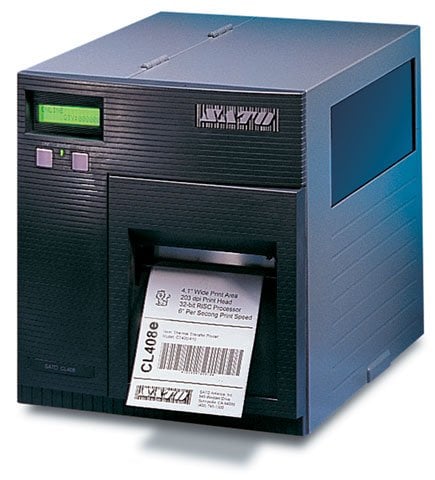




 Full specifications (PDF)