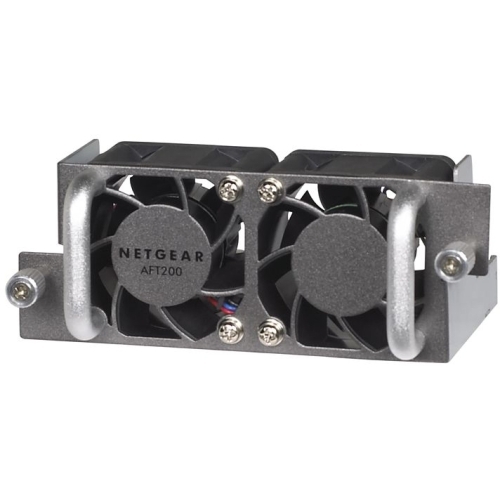
Number of Fans:
2



The SLS D-800 is designed to run on Power-over-Ethernet (PoE) with no additional power cables required. This makes installation simpler and eliminates the need for separate electrical infrastructure at your dock door chokepoints.
The SLS T-Series RFID Tunnel is designed to error-proof and enhance your supply chain by verifying shipments at item-level or container level. It provides visibility into what was actually shipped versus what was ordered, and serves as a quality control safenet to ensure shipment accuracy and improve customer experience.
The SLS D-500 is designed to run on Power-over-Ethernet (PoE) with no power cables required. This makes installation simpler at dock door chokepoints where human intervention and manual barcode scanning occur, eliminating the need for dedicated electrical infrastructure.
Yes. SLS designs the T-Series tunnel solution with your specific business processes in mind, whether you have an existing conveyor that you'd like to deploy RFID on or plan to add conveyor in the future. Contact us today to discuss your current setup and how we can integrate the solution.
The SLS D-500 maintains a 99.99% scan rate accuracy while operating at minimal power consumption. This high accuracy level is achieved while preventing cross-readings between reading sites, ensuring reliable inventory tracking at your dock doors.
The SLS D-800 maintains a 99.99% scan rate accuracy while operating at minimal power consumption. This high accuracy level is achieved while preventing cross-readings between multiple reading sites.
Yes, the SLS T-Series RFID Tunnel supports both item-level tagging and container tagging, making it flexible for different supply chain verification needs. This allows you to choose the tagging strategy that best fits your operation.
SLS uses Wave technology to automatically 'tune' the D-500 portal according to the surrounding environment, providing unrivaled reading zone controllability. This adaptive tuning ensures consistent performance across different dock configurations and environmental conditions.
The SLS D-800 uses Wave technology to tune the portal according to your surrounding environment, providing unrivaled reading zone controllability. This technology ensures that readings are isolated to your specific dock door and prevents interference from adjacent reading sites.
The SLS D-800 RFID Dock Door is 96 inches in height and features 2 antennas for optimal reading coverage at your dock entrance. This configuration is designed to accommodate standard dock door openings where human intervention and manual barcode scanning may be required.
The SLS D-500 is equipped with 2 antennas and stands at 62 inches in height. This dual-antenna configuration supports reliable RFID reading across the dock door portal opening.
All SLS T-Series RFID Tunnels are designed and built at SLS headquarters in Howell, Michigan. This ensures quality construction and allows SLS to customize solutions with your business success in mind.
The SLS D-800 is designed for chokepoints where human intervention and manual barcode scanning is required, such as warehouse dock doors and receiving areas. It provides reliable RFID reading capabilities while allowing staff to perform additional verification or manual scanning tasks.
The SLS T-Series RFID Tunnel provides real-time verification of shipments by reading RFID tags as items or containers pass through the tunnel. This gives you immediate visibility into what was shipped according to what was ordered, reducing errors and enabling faster issue resolution.
Yes, the SLS D-500 is specifically designed to prevent cross-readings between reading sites. This capability makes it ideal for high-density dock environments where multiple RFID portals operate in close proximity.
Yes, we offer the SLS D-800 RFID Dock Door as part of our comprehensive RFID solutions portfolio. Contact us today or visit barcodesinc.com to discuss your dock door RFID requirements and get a quote.
Yes. SLS works directly with customers to design the T-Series tunnel solution tailored to their specific business processes and warehouse layout. Whether you're implementing RFID on an existing conveyor or building a new one, we can customize the solution to meet your operational needs. Visit barcodesinc.com or contact us today to discuss your requirements.
The SLS D-500 is designed for chokepoints where human intervention and manual barcode scanning are required, making it ideal for warehouse dock doors and receiving areas. Its PoE power design and high accuracy make it particularly well-suited for facilities looking to automate inventory capture without extensive electrical infrastructure changes. Contact us today to discuss your dock door RFID requirements.